



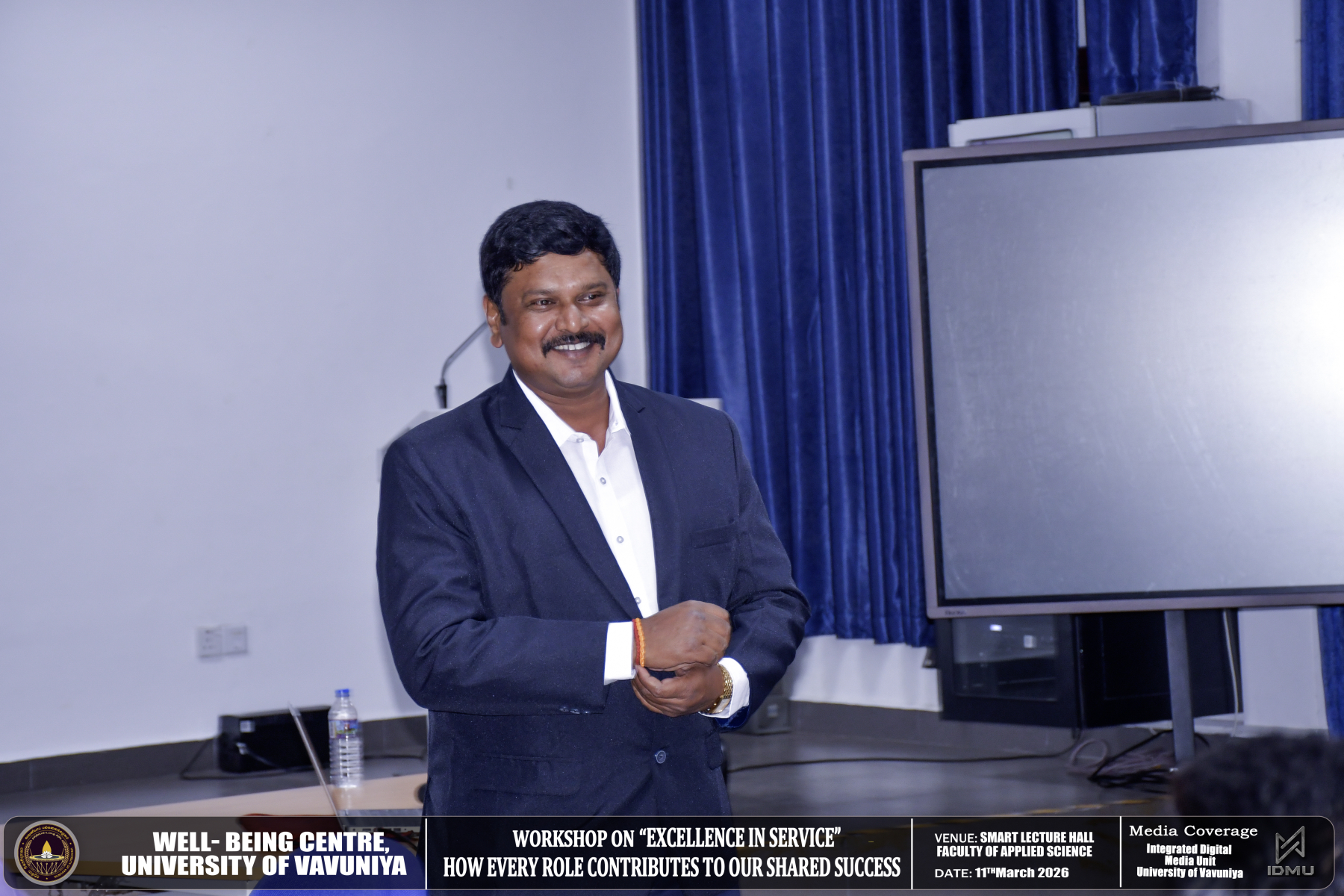
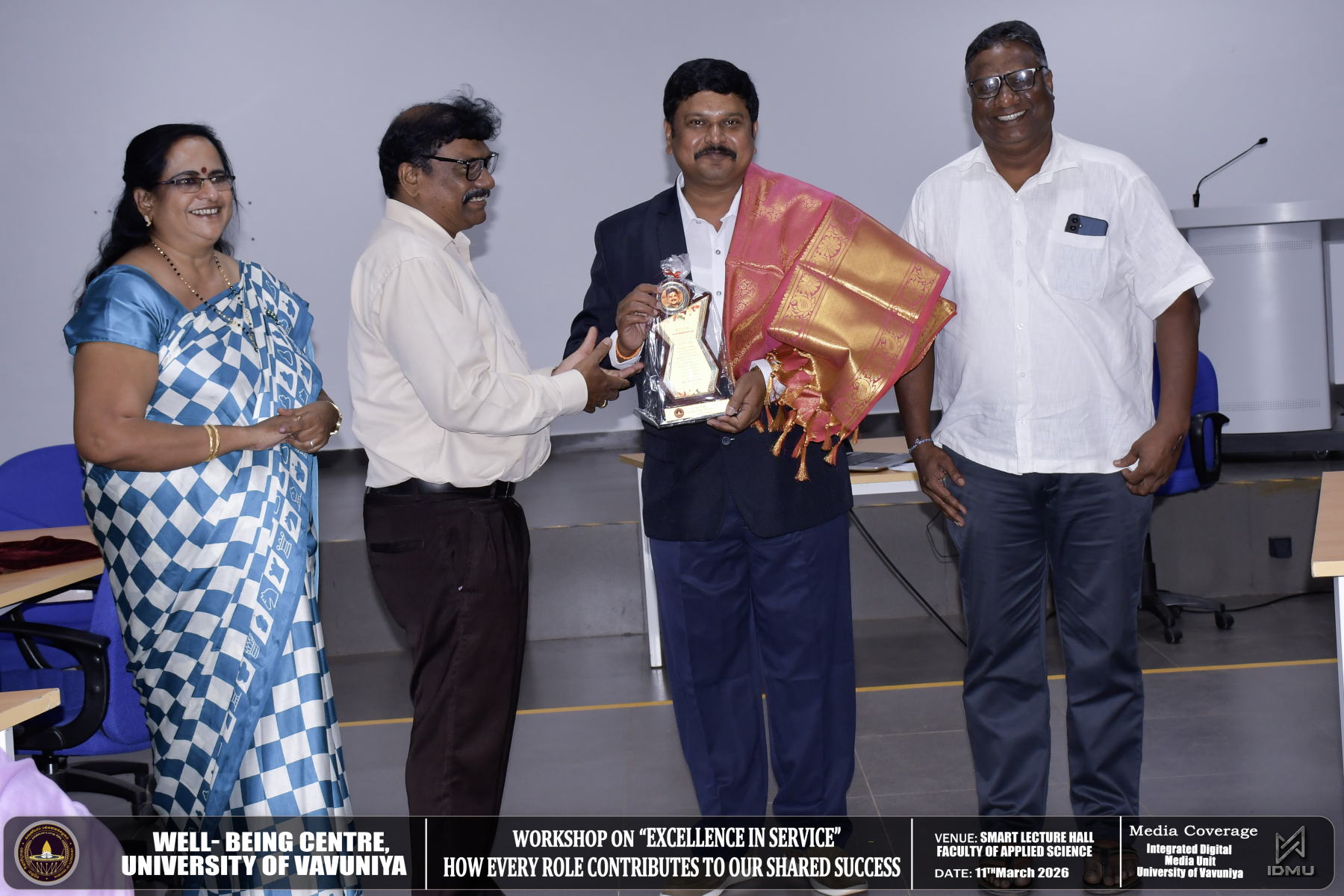
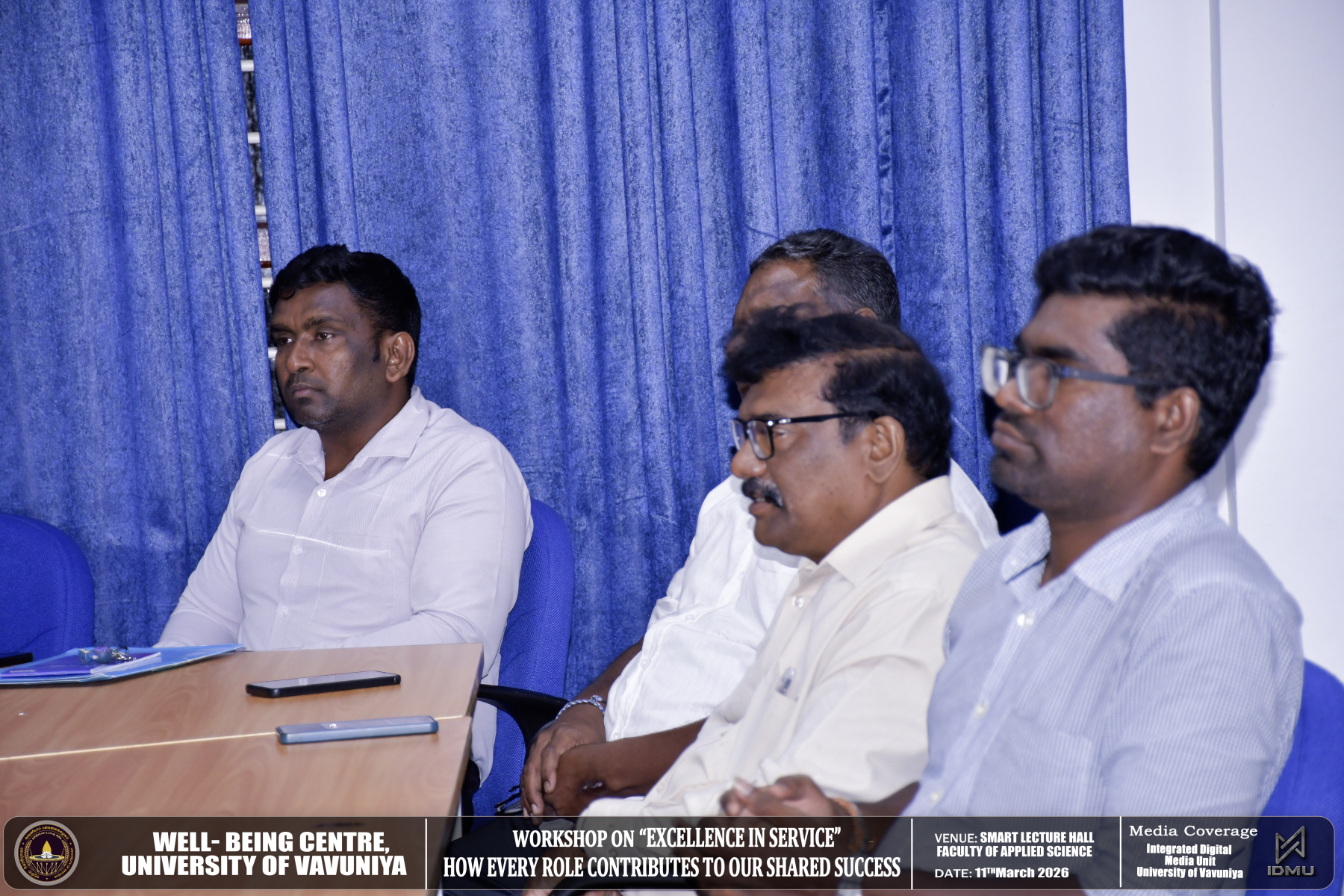
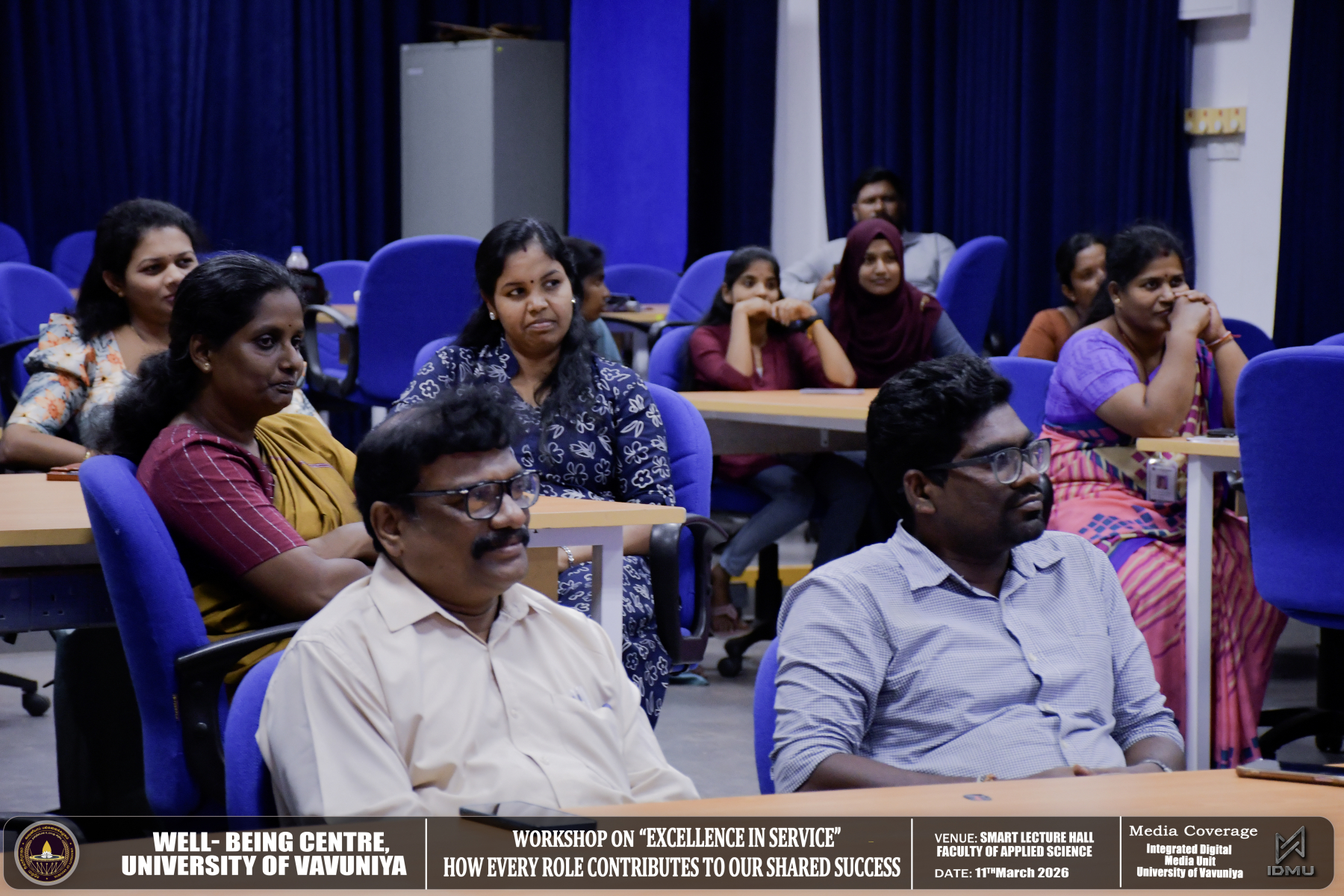
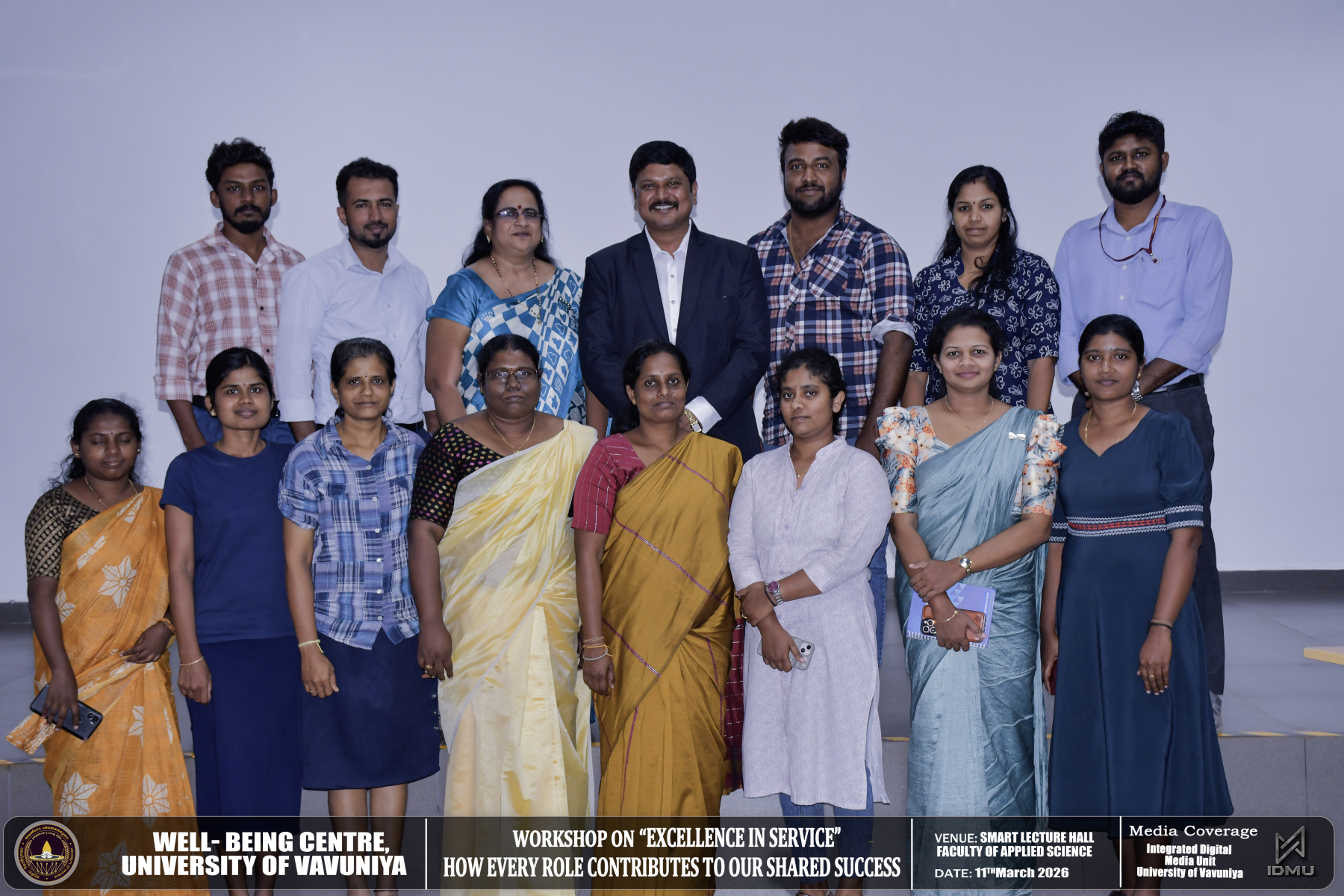
On 11 March 2026, the university conducted a highly impactful Service Excellence workshop from 2:00 p.m. to 4:00 p.m. To ensure inclusivity and active participation from a diverse group of staff members across the campus, the facilitator delivered the session in both Tamil and English.
Dr. D. Kalaiamuthan facilitated the training. The session focused primarily on enhancing professional service standards by highlighting the vital importance of every role within our institution.
Key Focus Areas of the Training
The Service Excellence workshop emphasized several important themes crucial for institutional advancement. These core areas included:
- Teamwork: Building cohesive departmental units across the university.
- Effective Communication: Breaking down administrative silos to transfer info smoothly.
- Professionalism: Maintaining high ethics and accountability in daily tasks.
- Service Mindset: Transitioning toward a proactive, solution-oriented approach.
Through practical real-world examples and interactive discussions, participants understood exactly how individual roles contribute directly to overall institutional success.
Participant Engagement and Self-Reflection
The session actively encouraged participation and deep self-reflection. Staff members shared their personal workplace experiences and unique operational insights during the open floor discussion.
As a result, participants developed a much stronger awareness of their individual job responsibilities. They also explicitly recognized the long-term importance of delivering high-quality service in their roles. Furthermore, this interactive format motivated staff to adopt more collaborative work approaches across departments.
Outcomes of the Service Excellence Workshop
Feedback collected from the participants indicated a high level of overall satisfaction. Specifically, they appreciated both the direct relevance of the content and the absolute clarity of the delivery.
Overall, the Service Excellence workshop helped strengthen a healthy culture of professional care within the University. In addition, the practical knowledge gained is expected to improve staff performance and internal collaboration. Ultimately, this initiative supports the University’s strict quality assurance and continuous improvement goals.