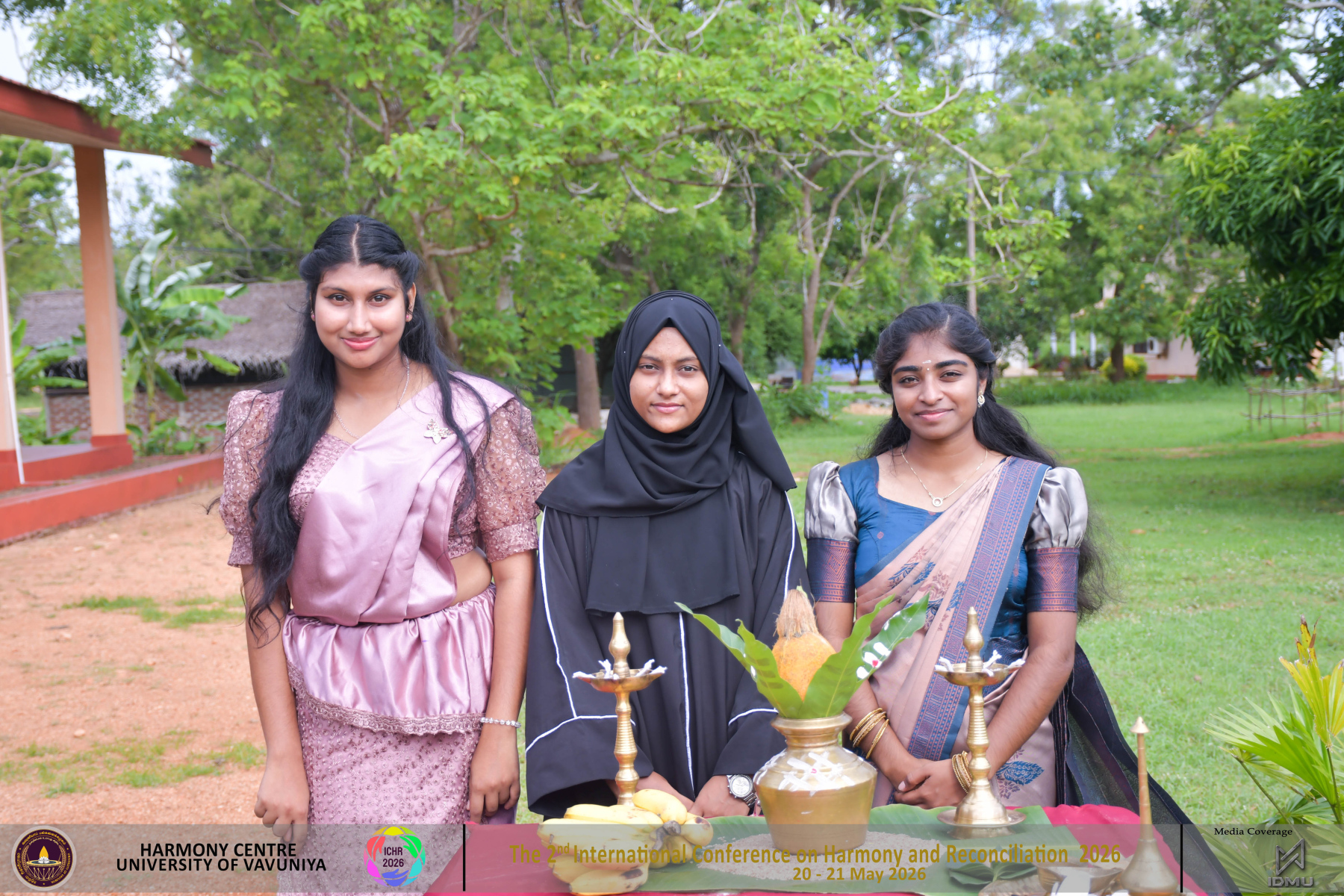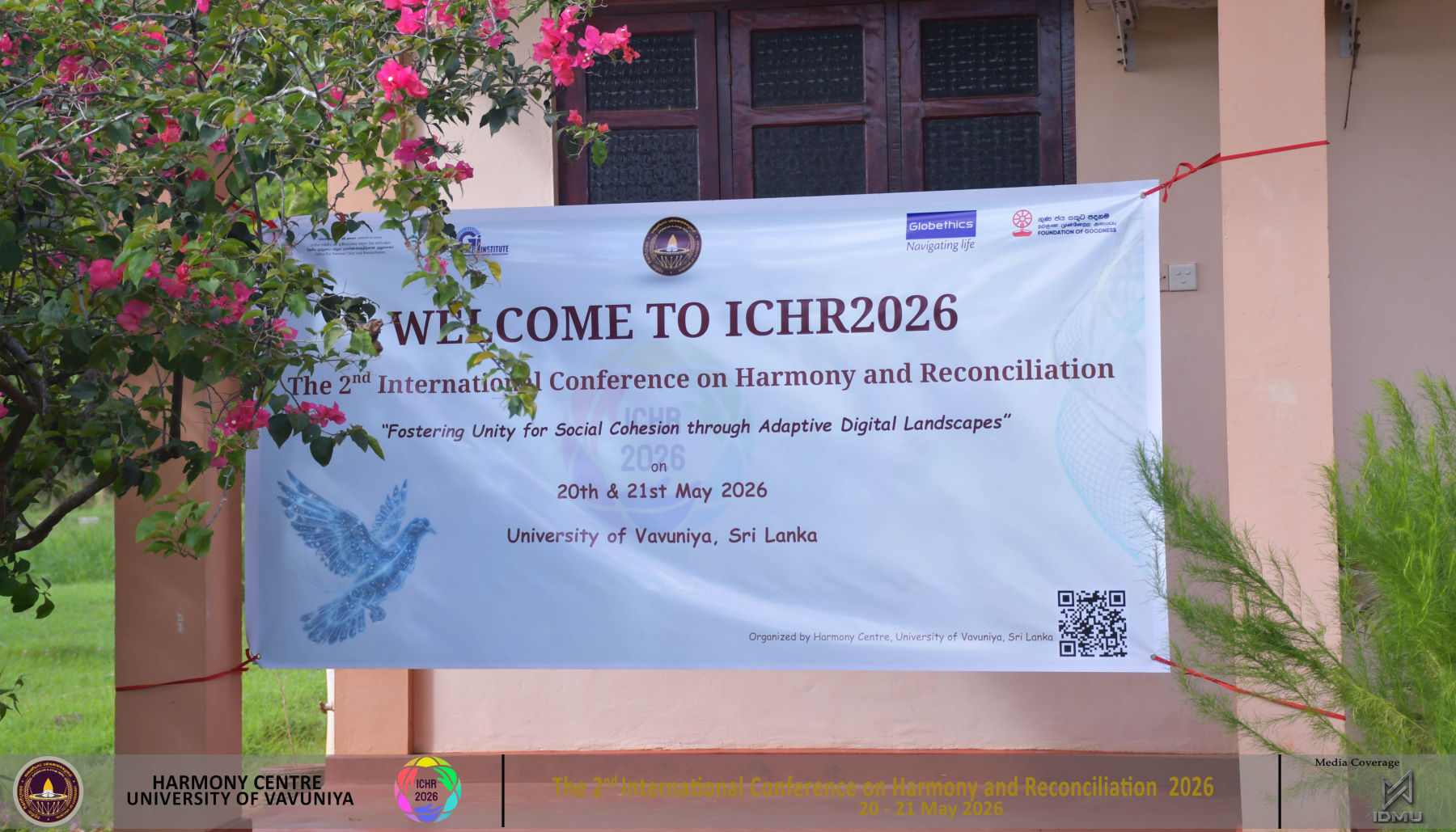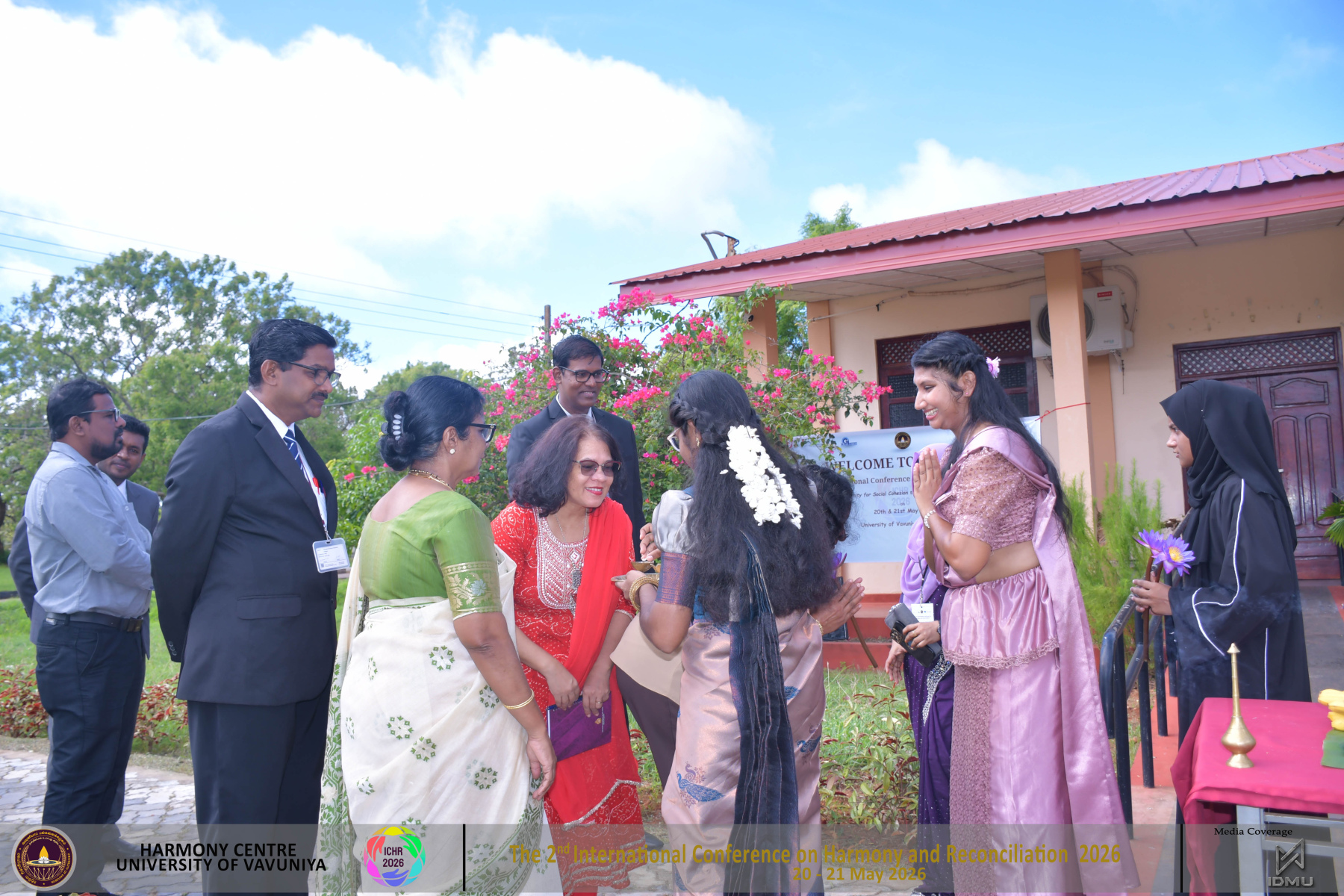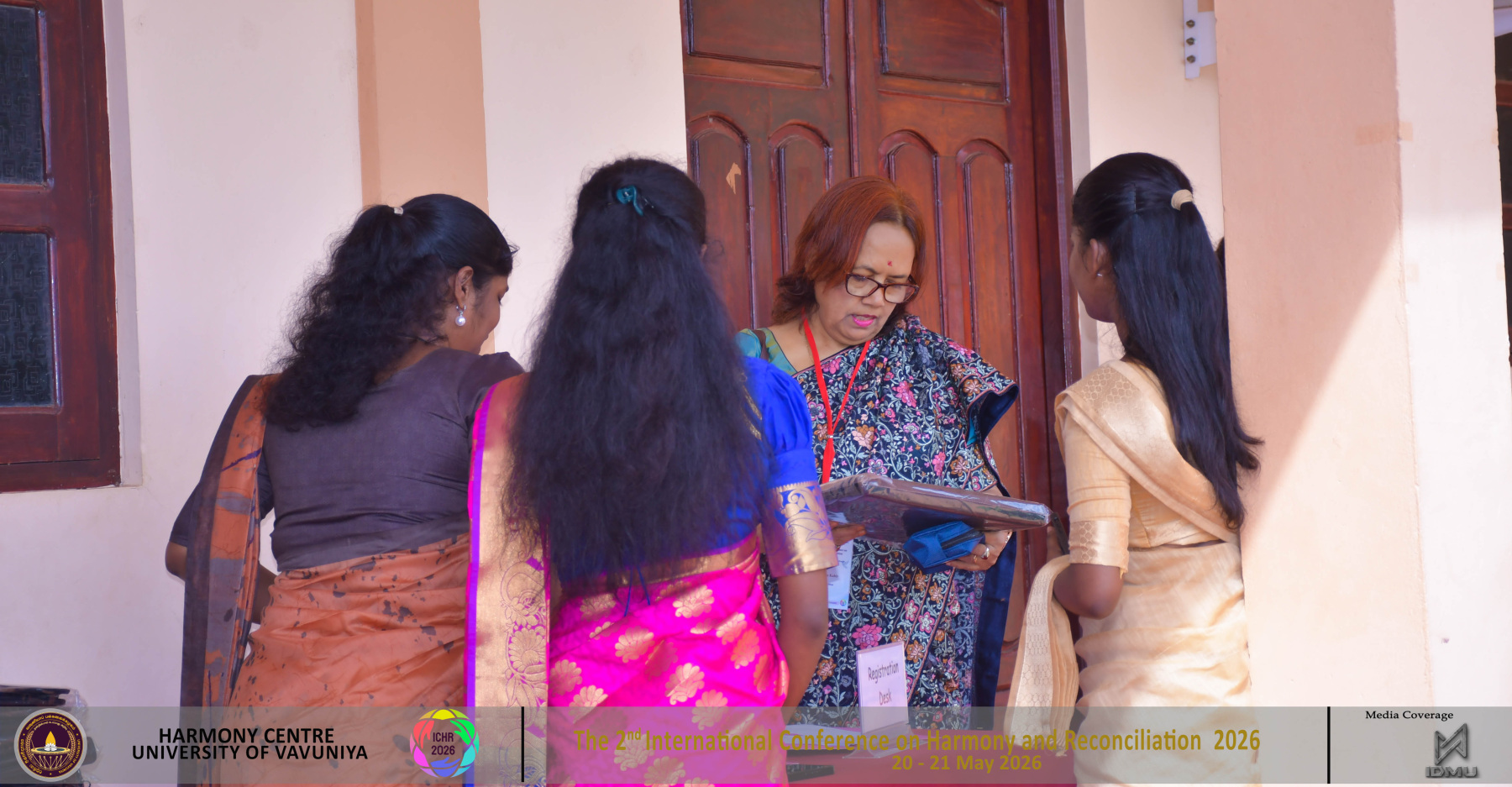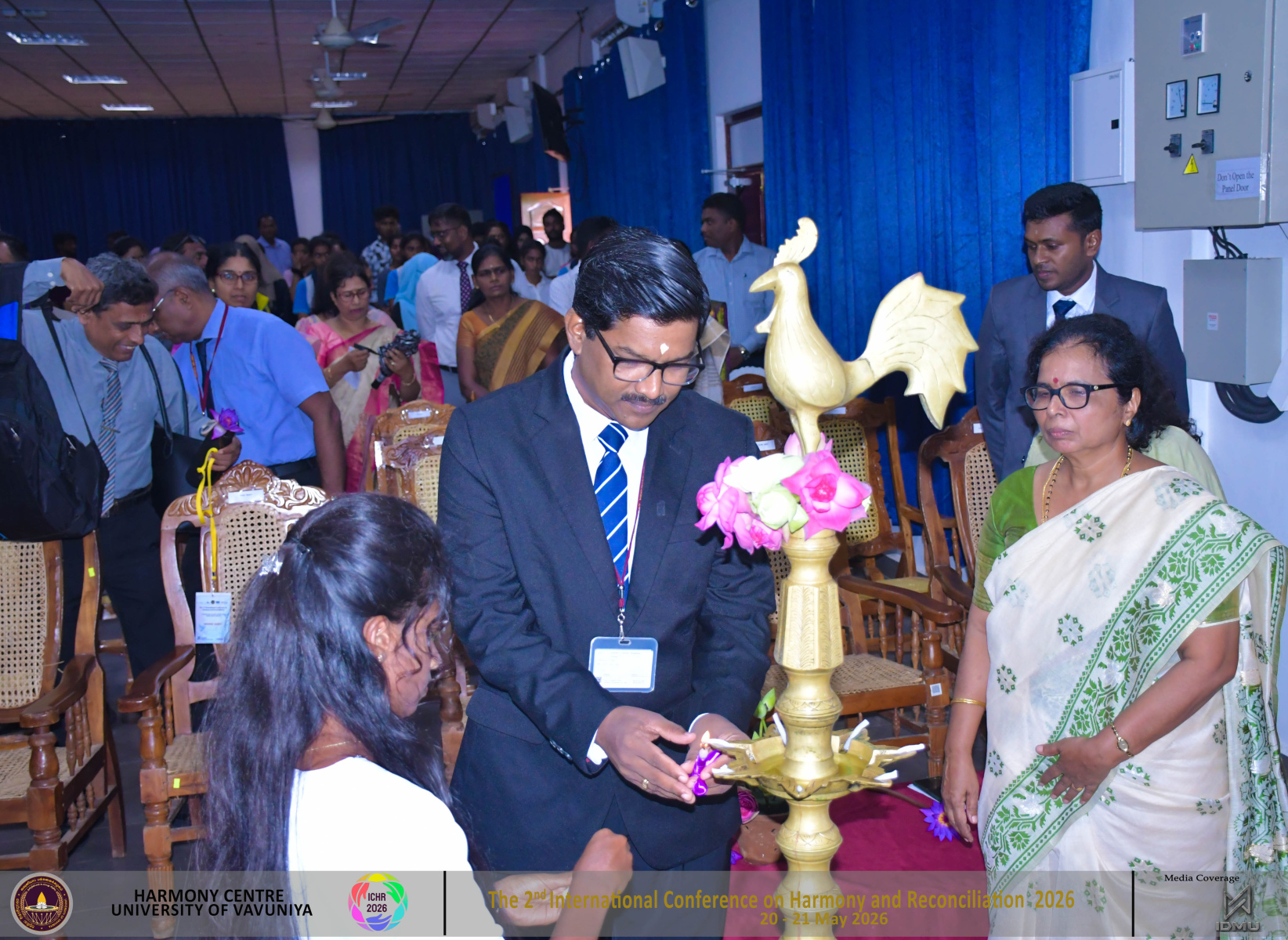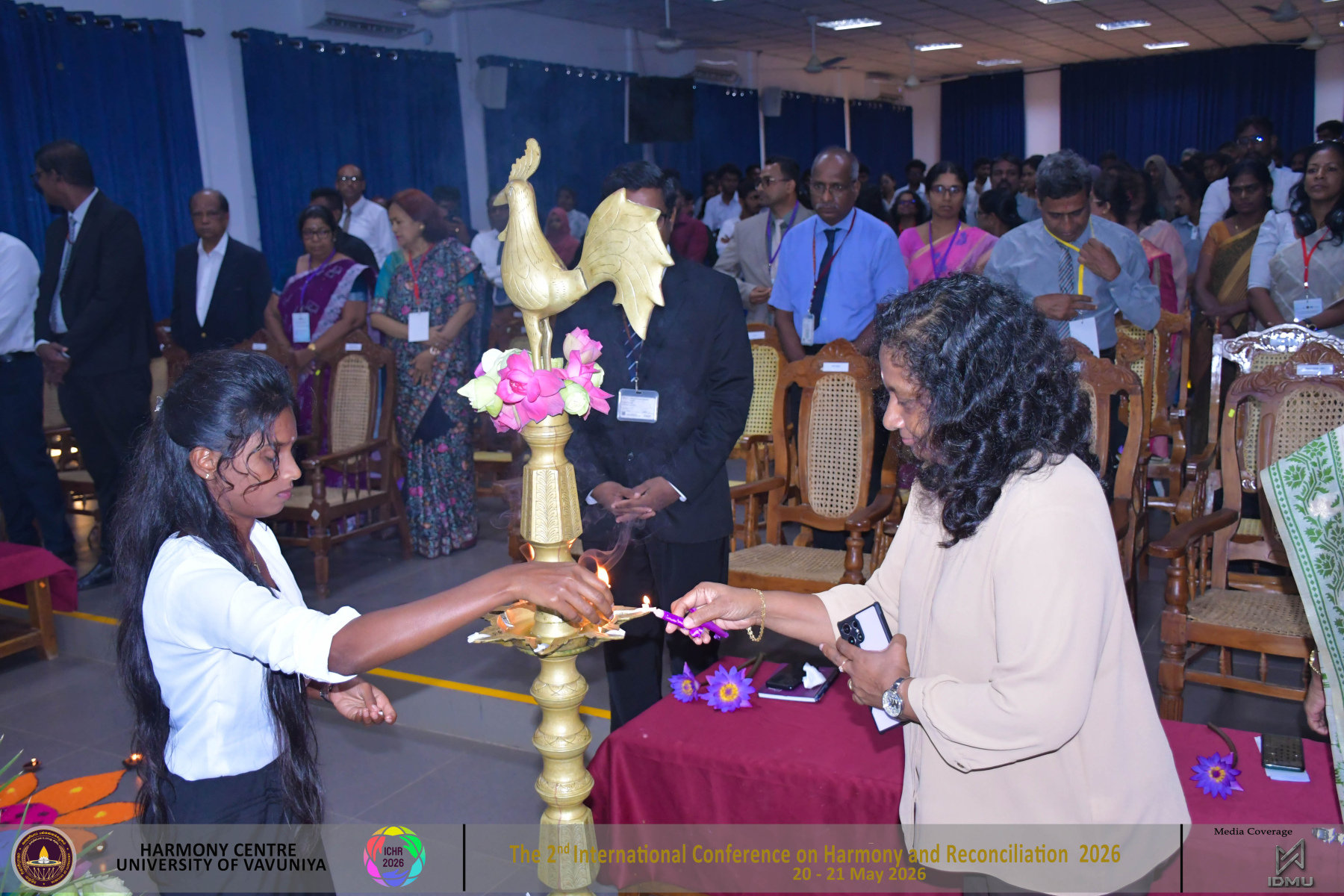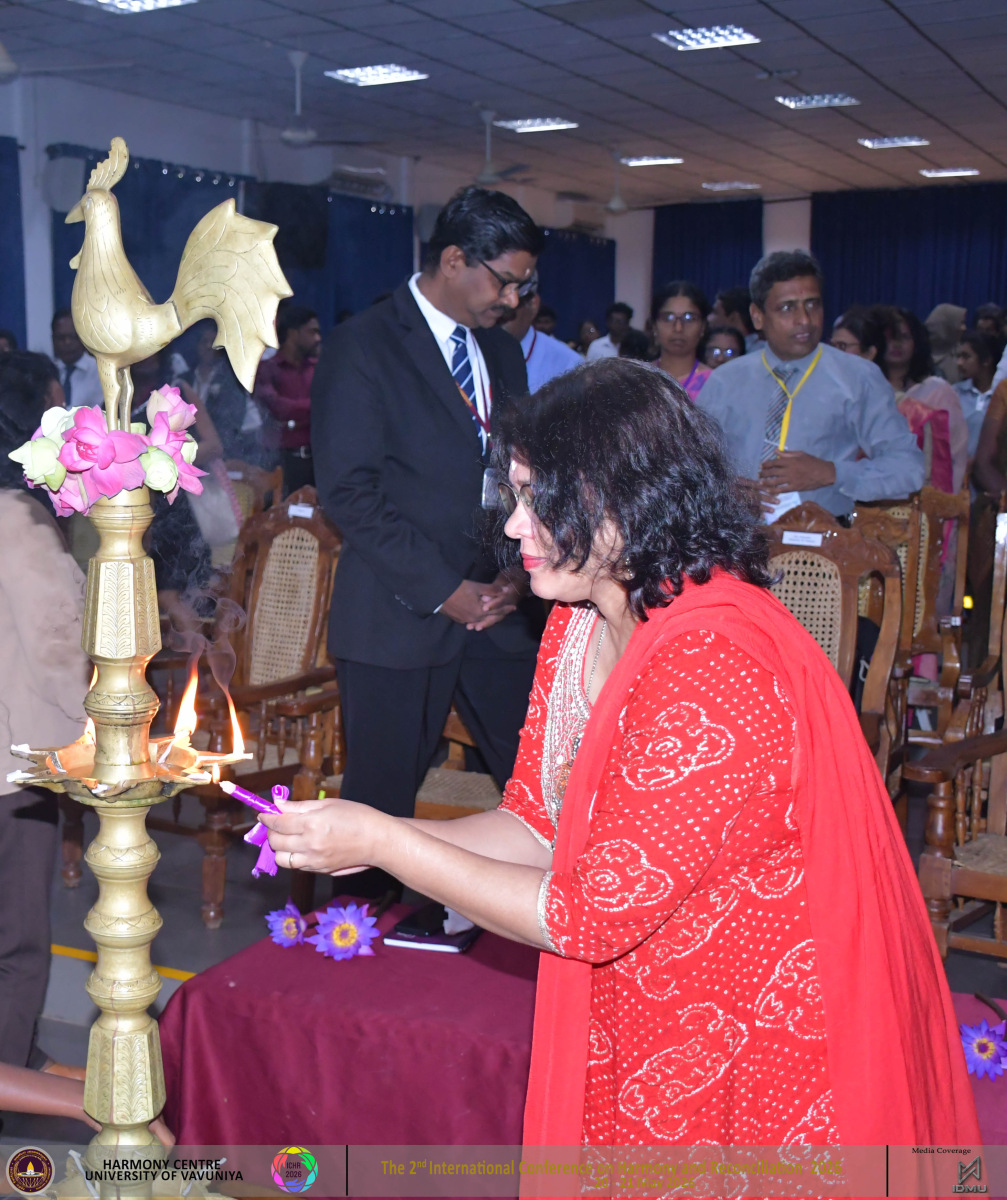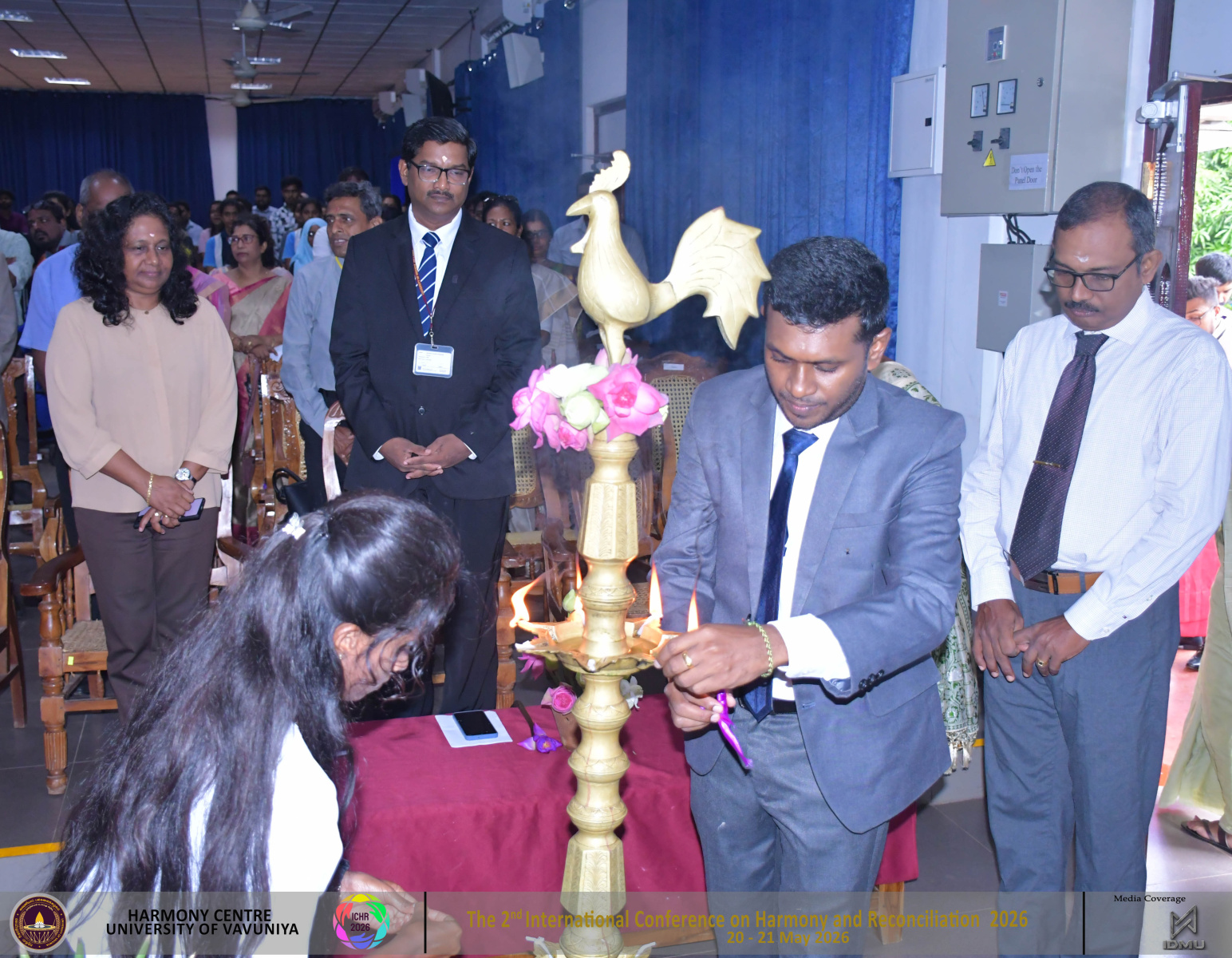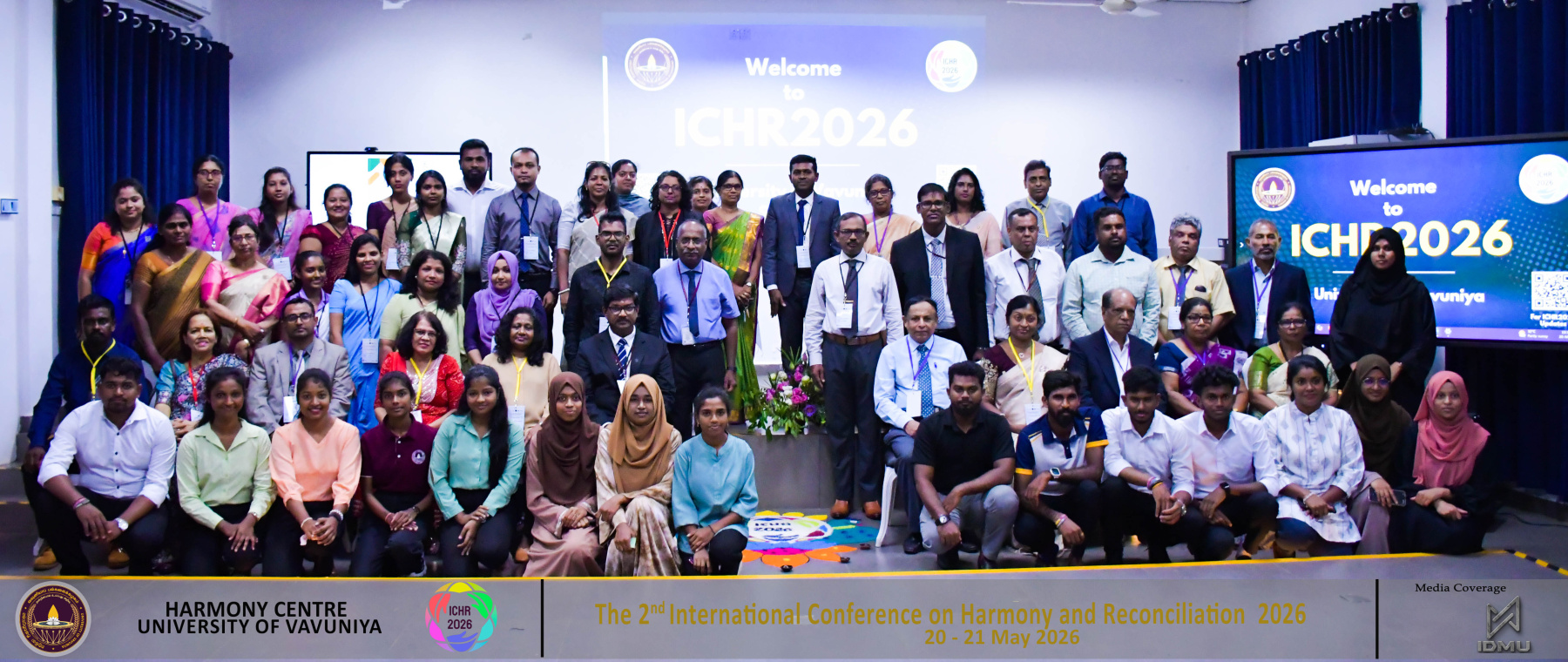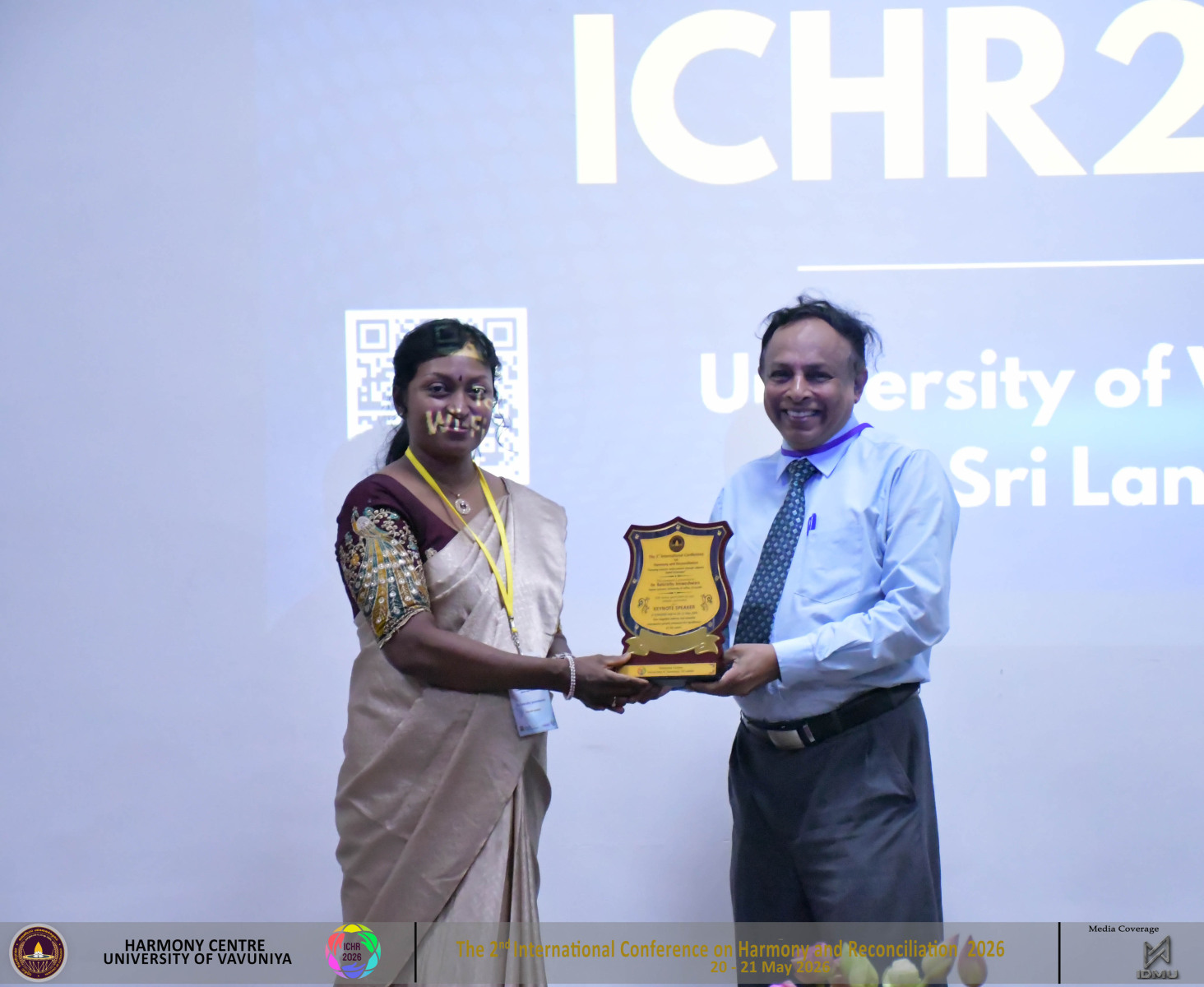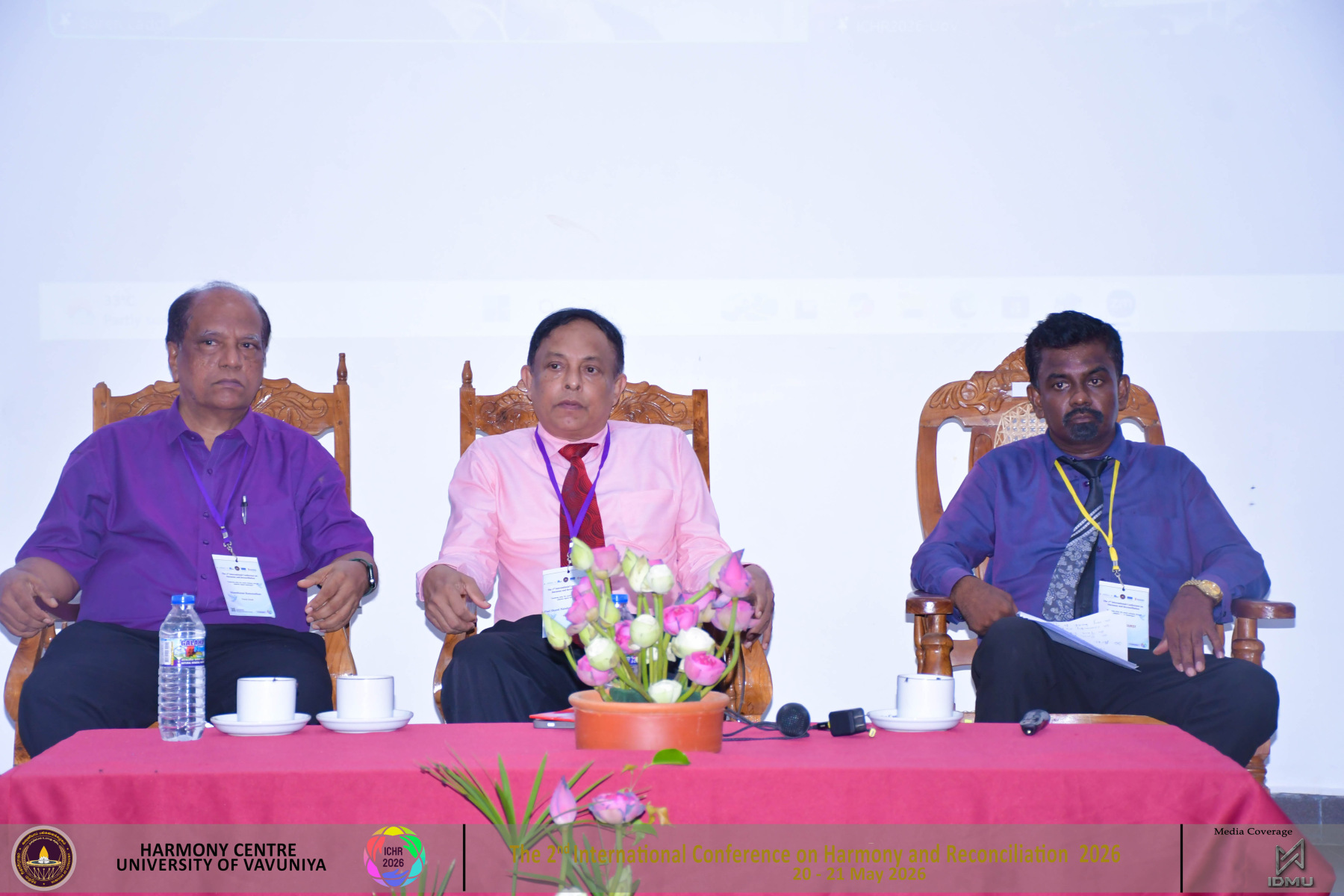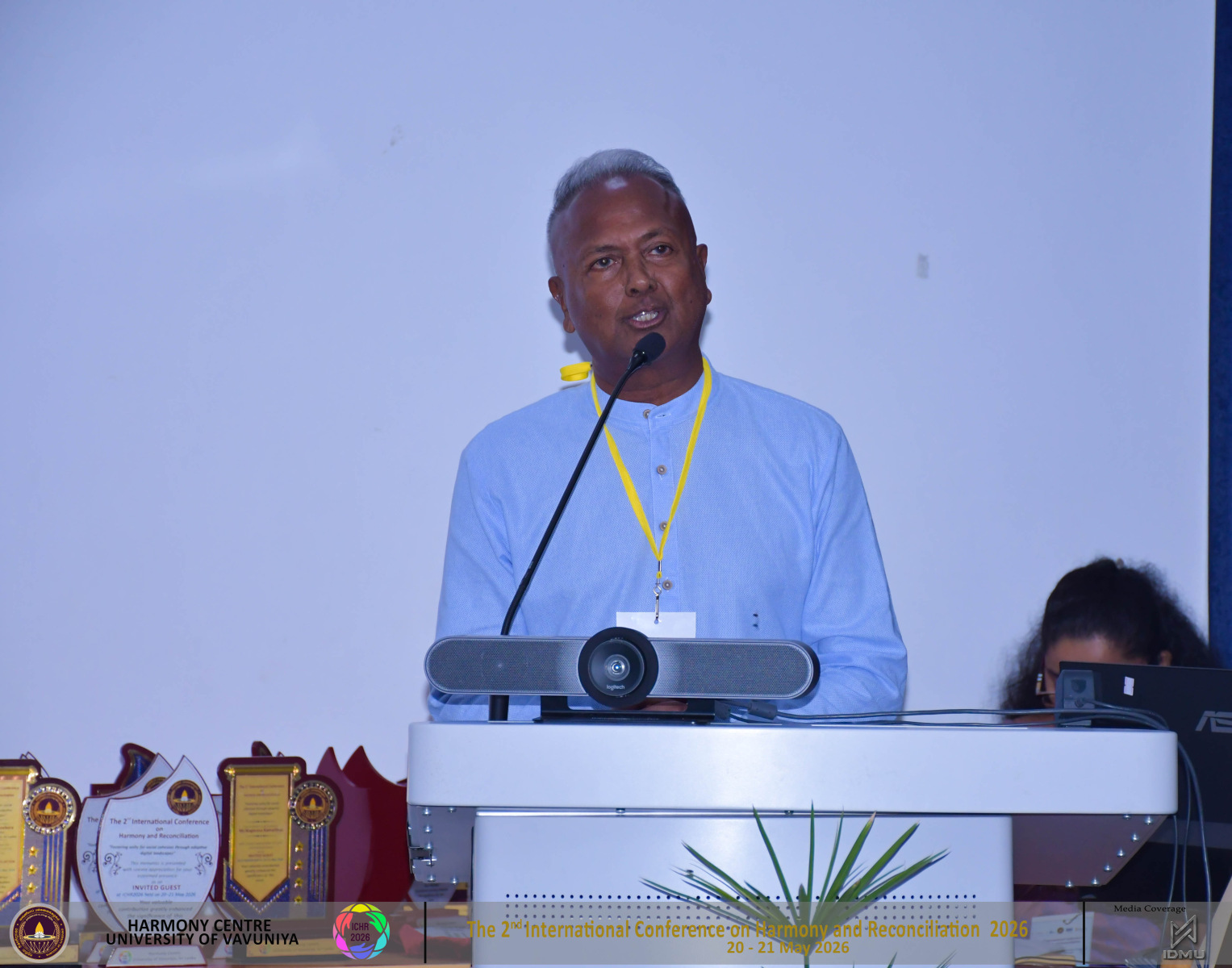

The Harmony Centre, University of Vavuniya, successfully organized the 2nd International Conference on Harmony and Reconciliation (ICHR2026) on 20 and 21 May 2026 at the Smart Lecture Hall, Faculty of Applied Science, University of Vavuniya. The centre conducted the conference in hybrid mode, enabling both physical and virtual participation. The conference brought together academics, researchers, practitioners, policymakers, peace activists, development professionals, students, and community representatives. They engaged in multidisciplinary discussions on harmony, reconciliation, peacebuilding, social cohesion, ethics, digital governance, environmental sustainability, and post-conflict recovery.
International Conference on Harmony and Reconciliation (ICHR2026) – Theme and Objectives
The conference brought together academics, researchers, practitioners, policymakers, peace activists, development professionals, students, and community representatives. They engaged in multidisciplinary discussions on harmony, reconciliation, peacebuilding, social cohesion, ethics, digital governance, environmental sustainability, and post-conflict recovery.The conference carried the theme “Fostering Unity for Social Cohesion through Adaptive Digital Landscapes.” ICHR2026 aimed to provide an international platform for dialogue on harmony and reconciliation and explore how adaptive digital landscapes can promote social harmony and inclusive governance.
Programme Highlights of International Conference on Harmony and Reconciliation (ICHR2026)
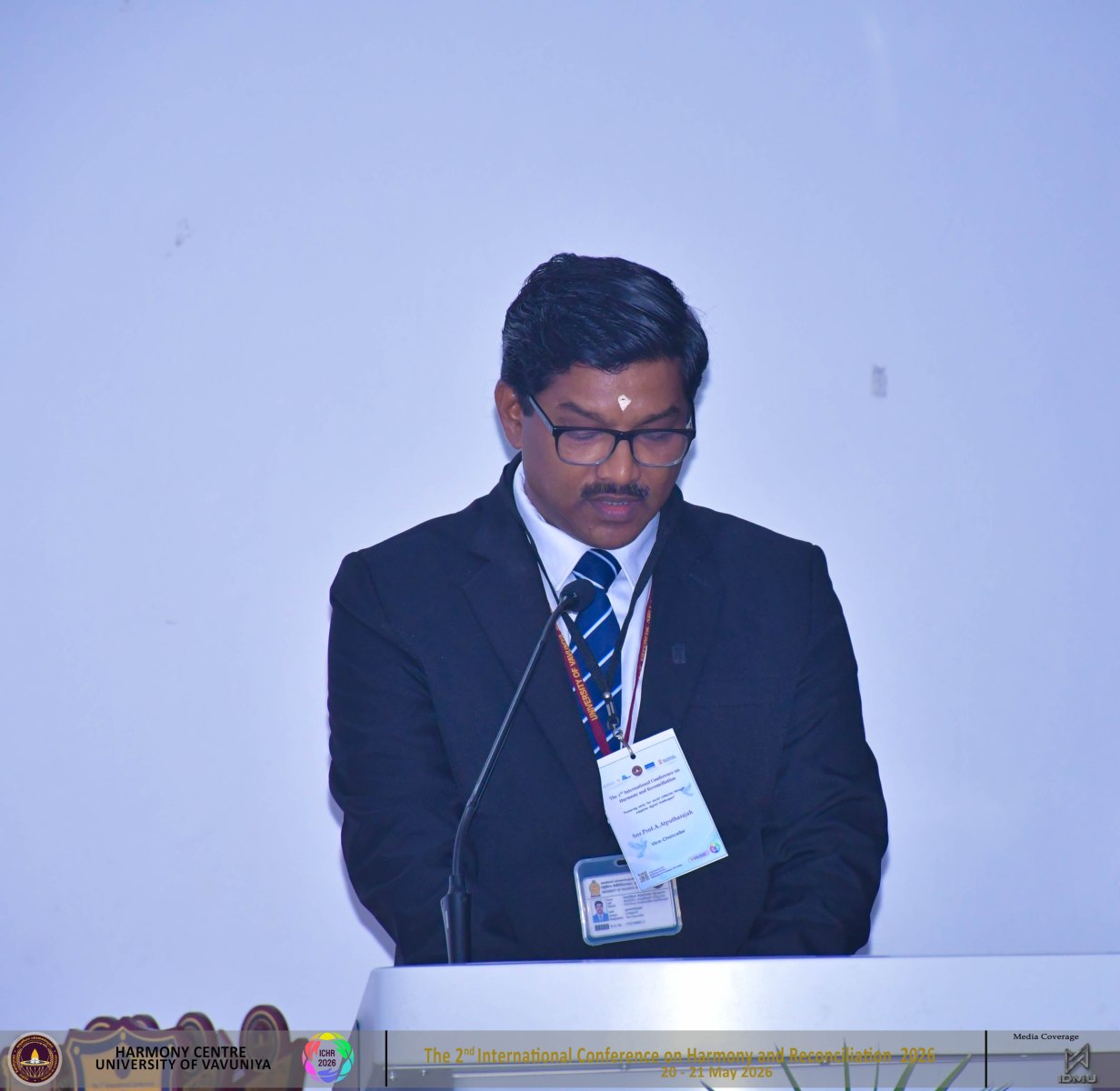
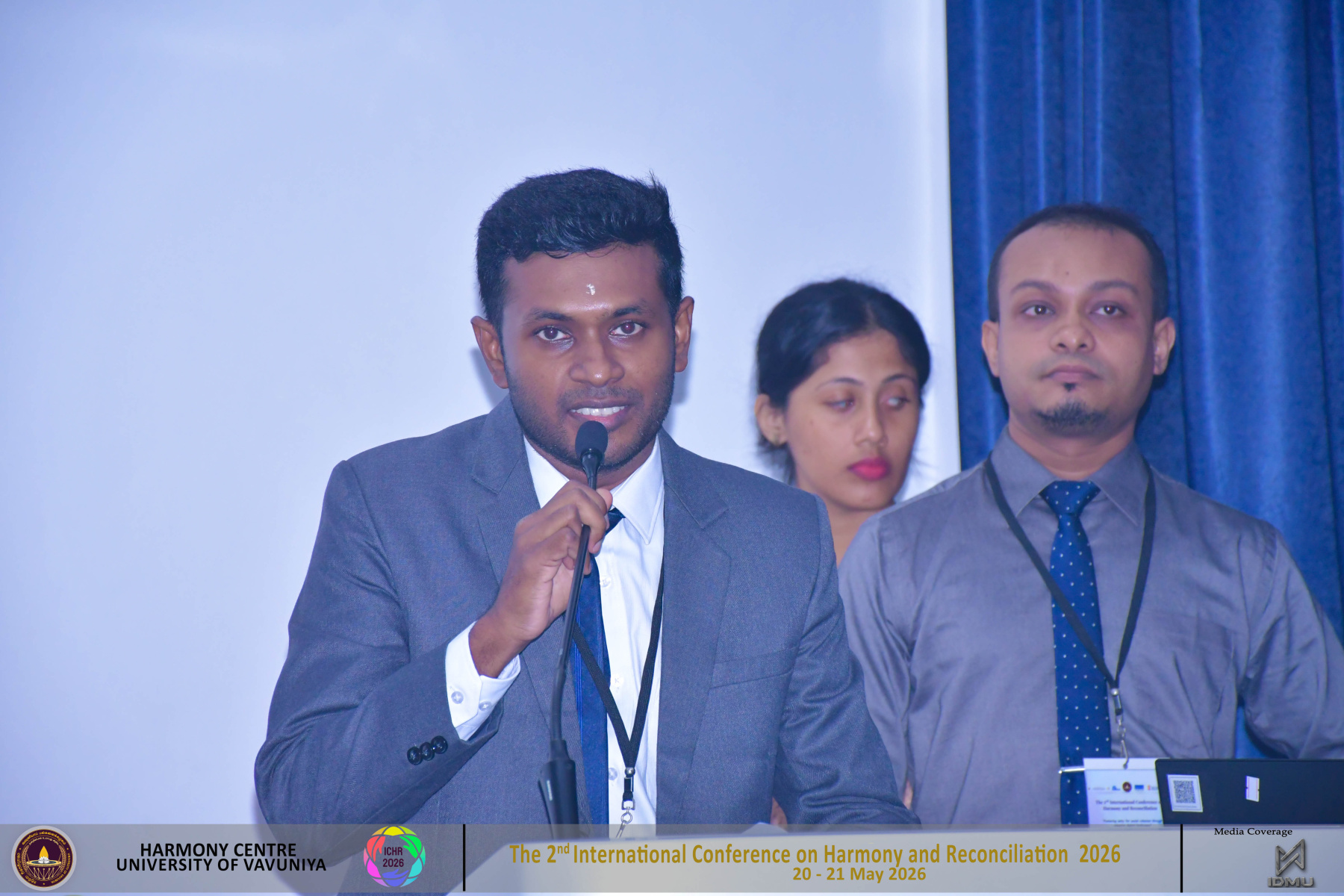
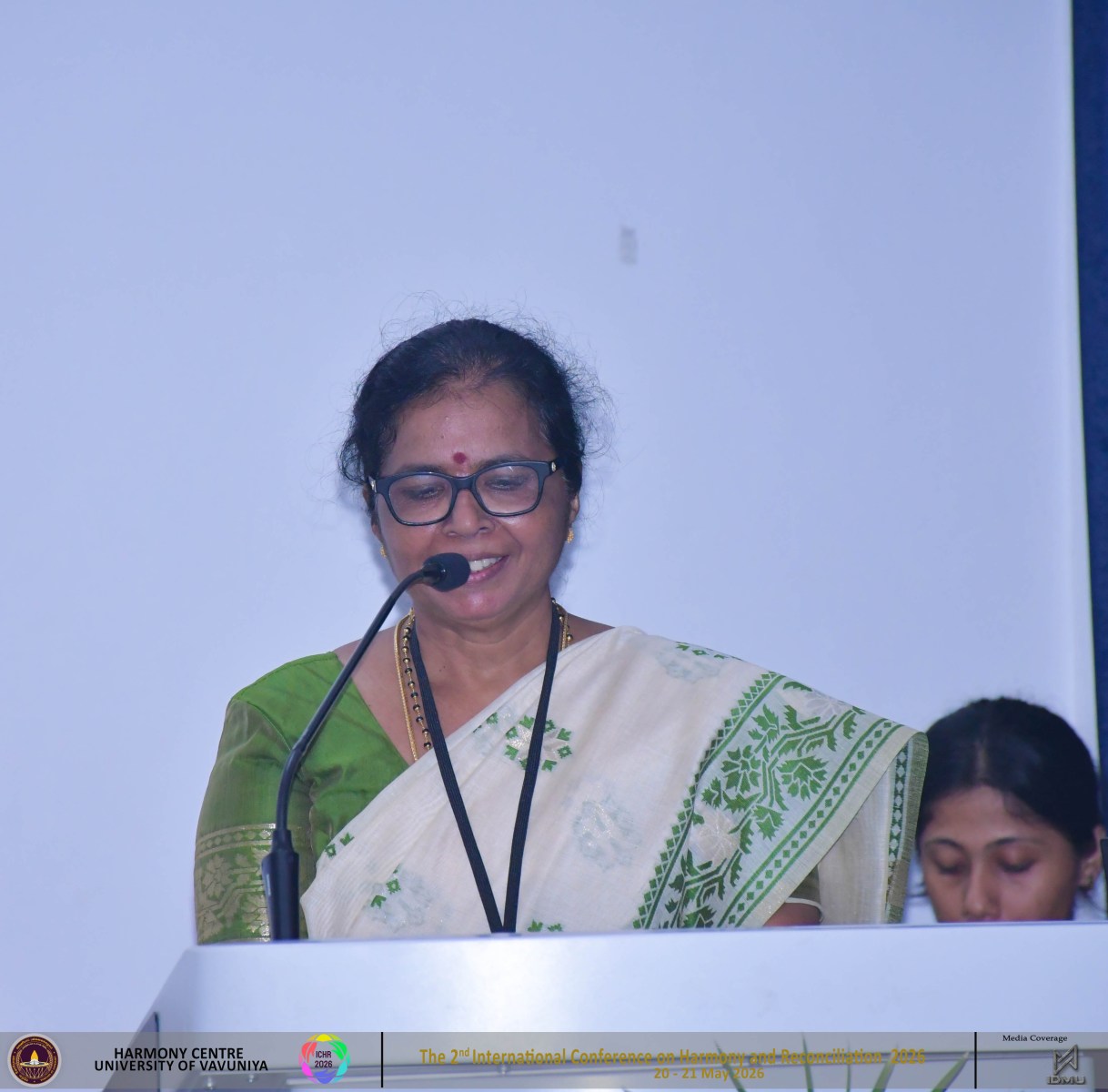
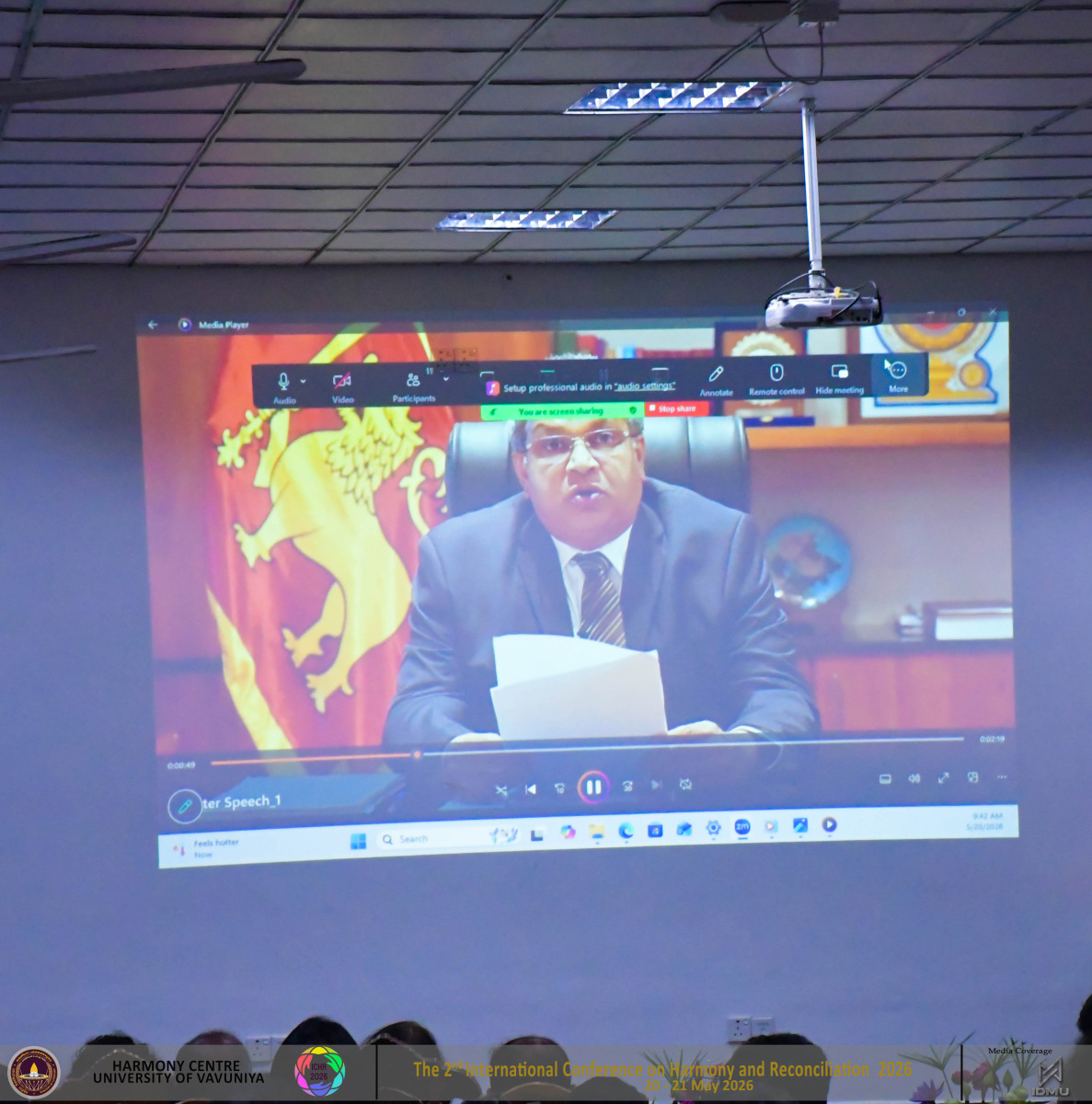
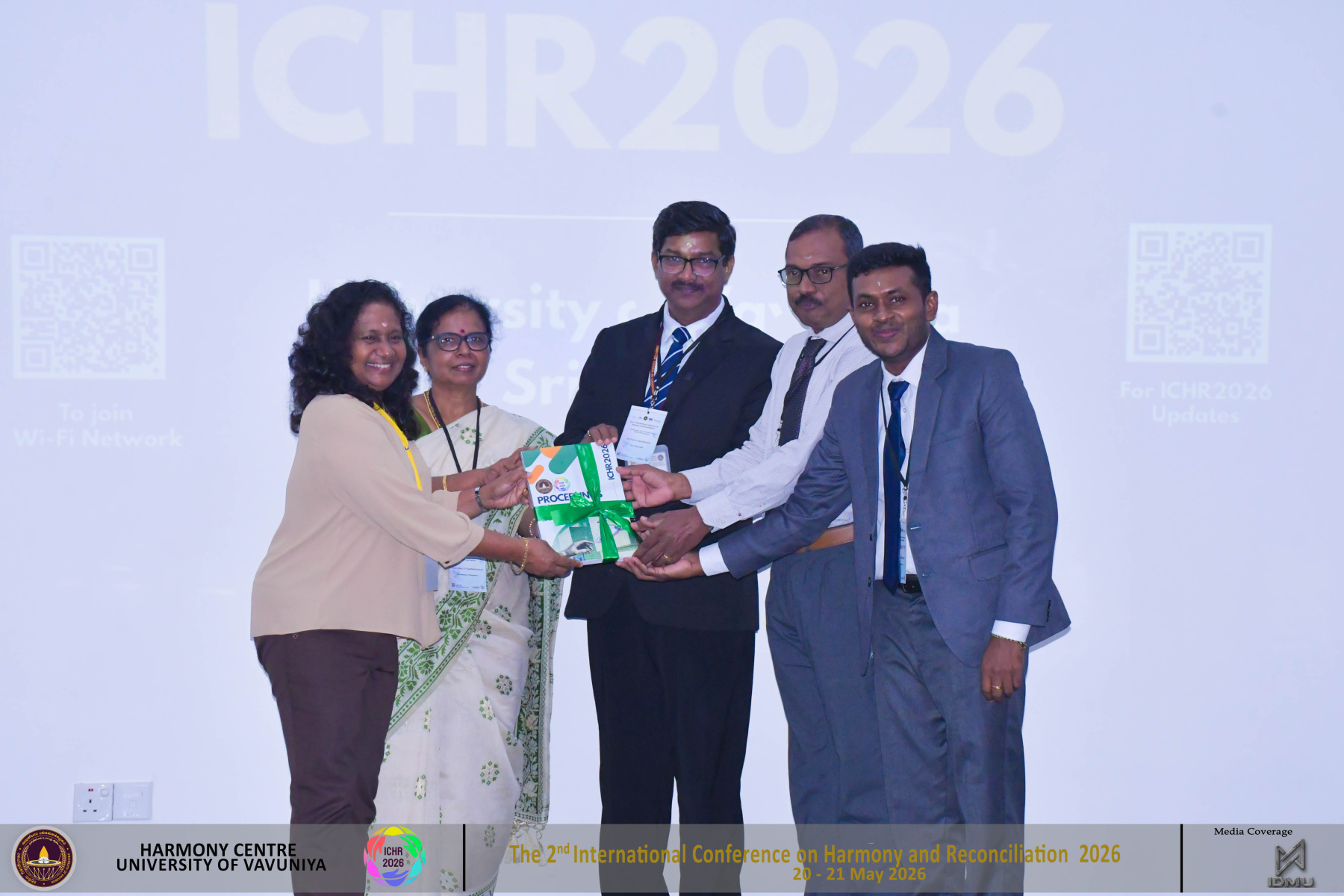
The two-day programme featured an inaugural session, keynote speeches, panel discussions, parallel technical sessions, a peace education dialogue, a special session on peace and reconciliation, an awarding ceremony, and a concluding session. The inaugural ceremony opened with a welcome address by the Director of the Harmony Centre, followed by an address from the Conference Chair, the Vice-Chancellor’s address, a message from the Chief Guest, special remarks from Dr. Prem Rawat, and the launch of the conference proceedings. These activities set a strong tone for the conference and highlighted the importance of academic and collaborative approaches to promoting harmony and reconciliation.
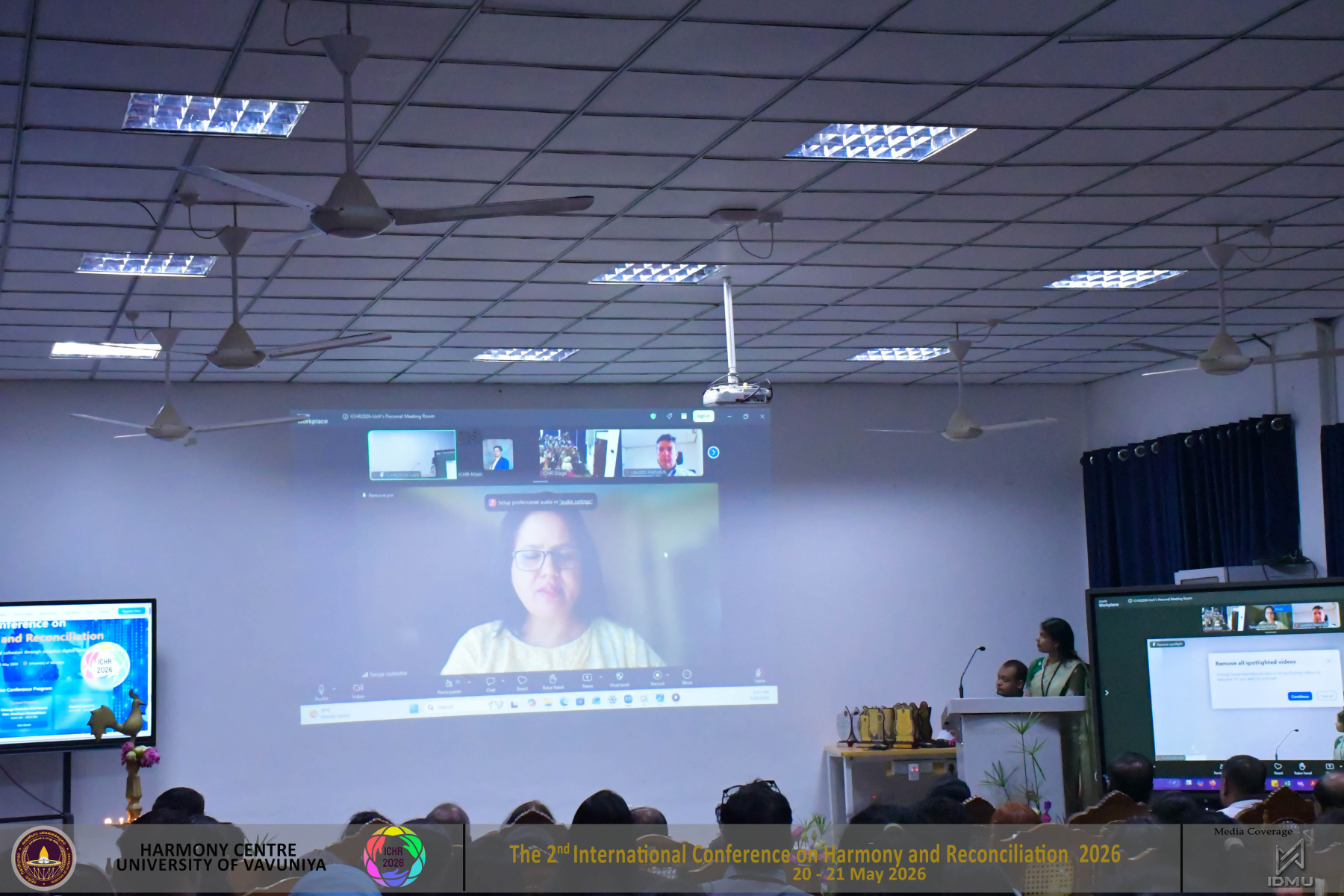
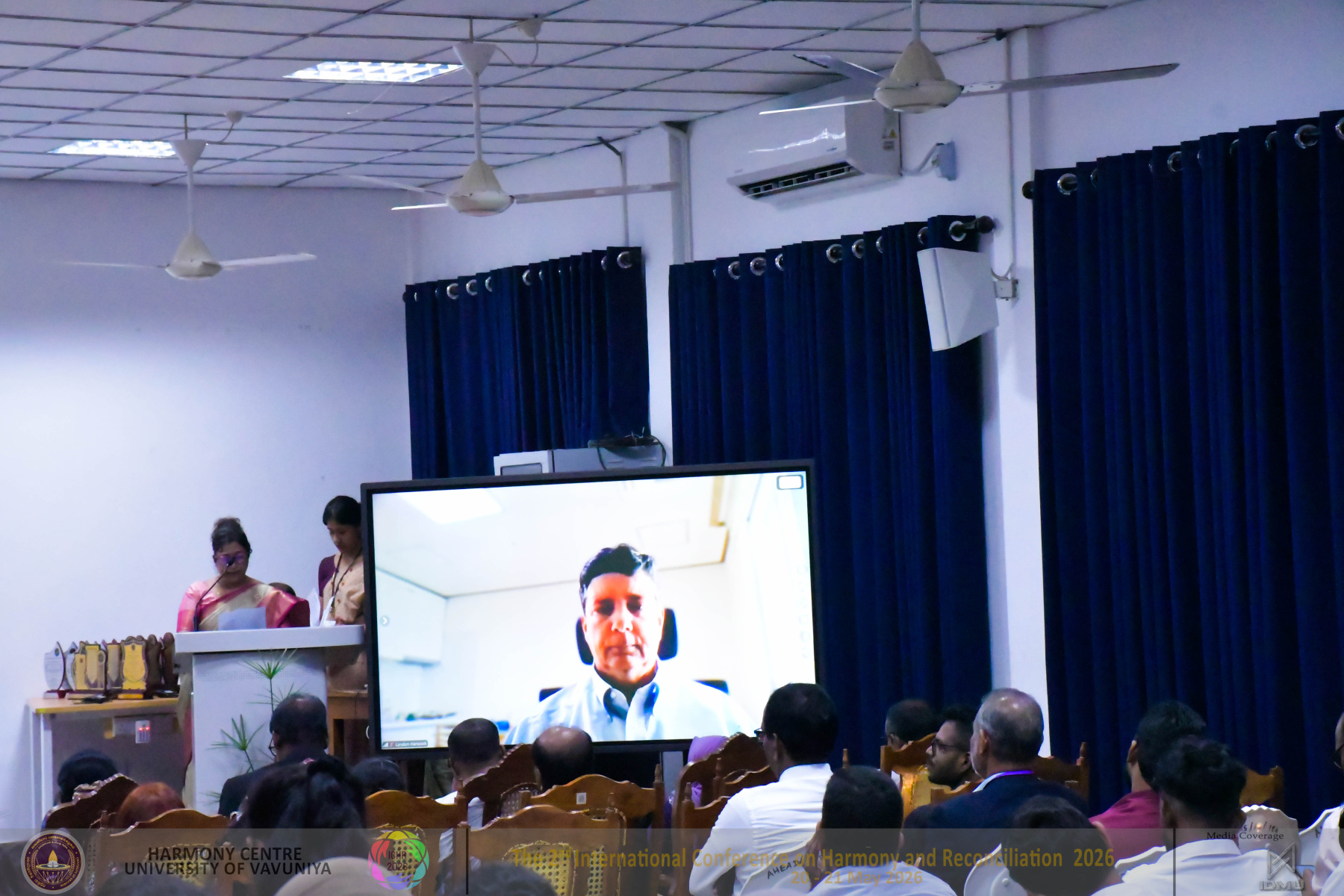
Three keynote speakers addressed the conference. Prof. Landon E. Hancock discussed peacebuilding, accountability, development, and grassroots-centred reconciliation approaches. Dr. Bahirathy Jeeweshwara explored reconciliation, social harmony, peacebuilding, and post-conflict engagement in multicultural societies, while Dr. Phill Gittins focused on peace education, social transformation, global peacebuilding, and ethical engagement. The conference also held two panel discussions covering media narratives, technology, digital governance, peacebuilding, peace education, and social cohesion. These sessions encouraged meaningful academic dialogue and active participation among attendees.
ICHR2026 Research Contributions and Policy Outcomes
ICHR2026 drew a significant number of research contributions. Organizers received 115 submissions, accepted 70, rejected 44, and noted one withdrawal. After completing the review, revision, and editorial processes, the committee finalized 43 full papers for the official electronic conference proceedings. The conference attracted both local and international contributions, with participants from Sri Lanka and countries including India, Bangladesh, Russia, Australia, and the Philippines — demonstrating the conference’s growing international academic reach and the relevance of its theme to diverse contexts.
ICHR2026 also emphasized translating academic discussions into policy-oriented outcomes. The organizers digitally recorded and transcribed the two panel discussions using AI-supported transcription tools. They are now using these recordings, together with the technical session findings and synthesized outcomes, as source material for a post-conference policy white paper. This white paper will bring together evidence-based findings, policy implications, and recommendations relating to harmony, reconciliation, social cohesion, ethics, and digital governance.
ICHR2026 Support and Awards Ceremony
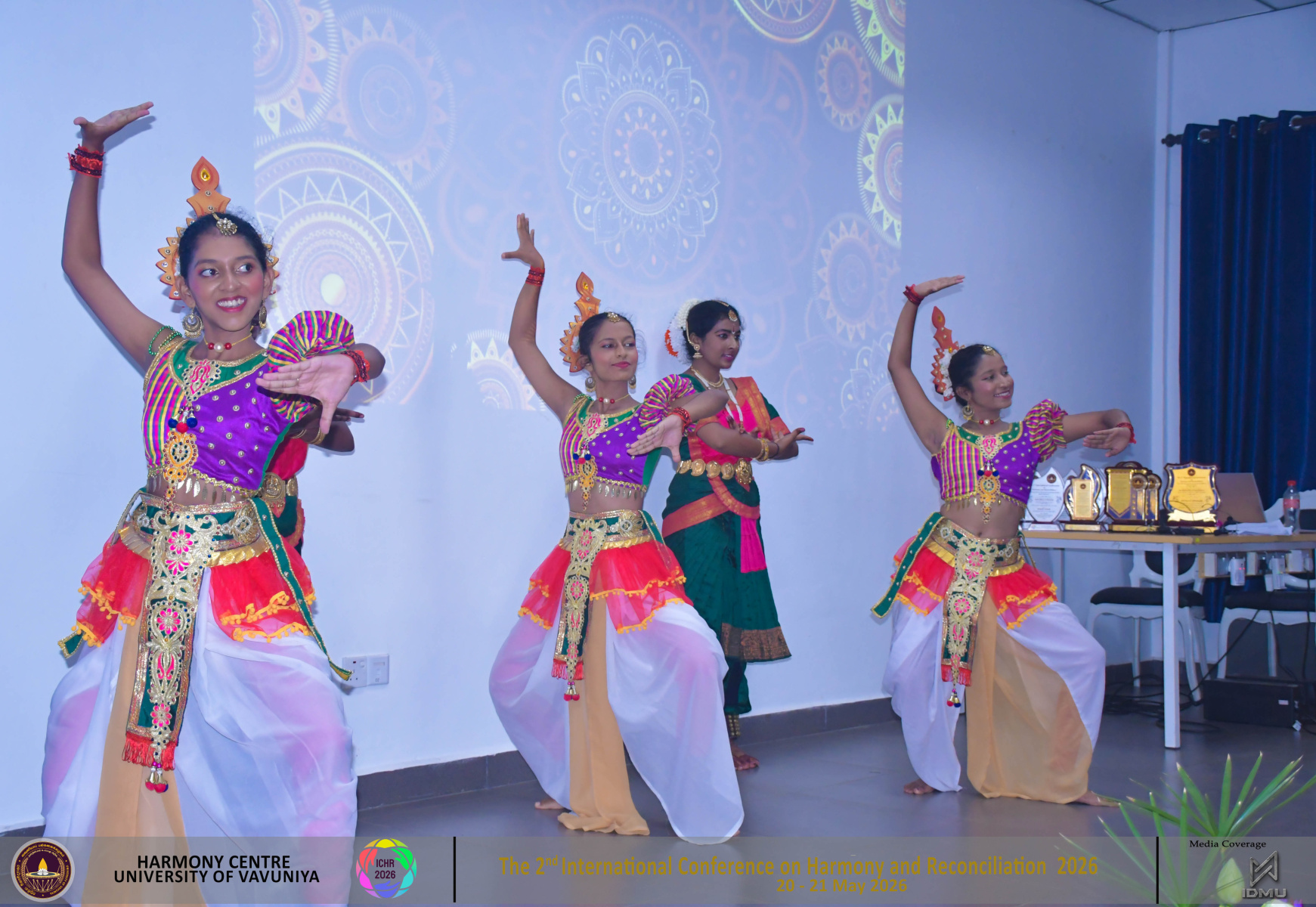
The conference received valuable institutional and external support from the Harmony Centre, University of Vavuniya; the Ministry of Justice and National Integration; the Office for National Unity and Reconciliation; The Gate Institute, UK; Foundation of Goodness, Sri Lanka; and Globethics. The Integrated Digital Media Unit of the University of Vavuniya provided photography, videography, and digital production services, while the Cultural Centre supported the welcome dance performance during the opening ceremony. Various organizing committees, technical teams, volunteers, student helpers, and staff members further supported the conference’s successful implementation.
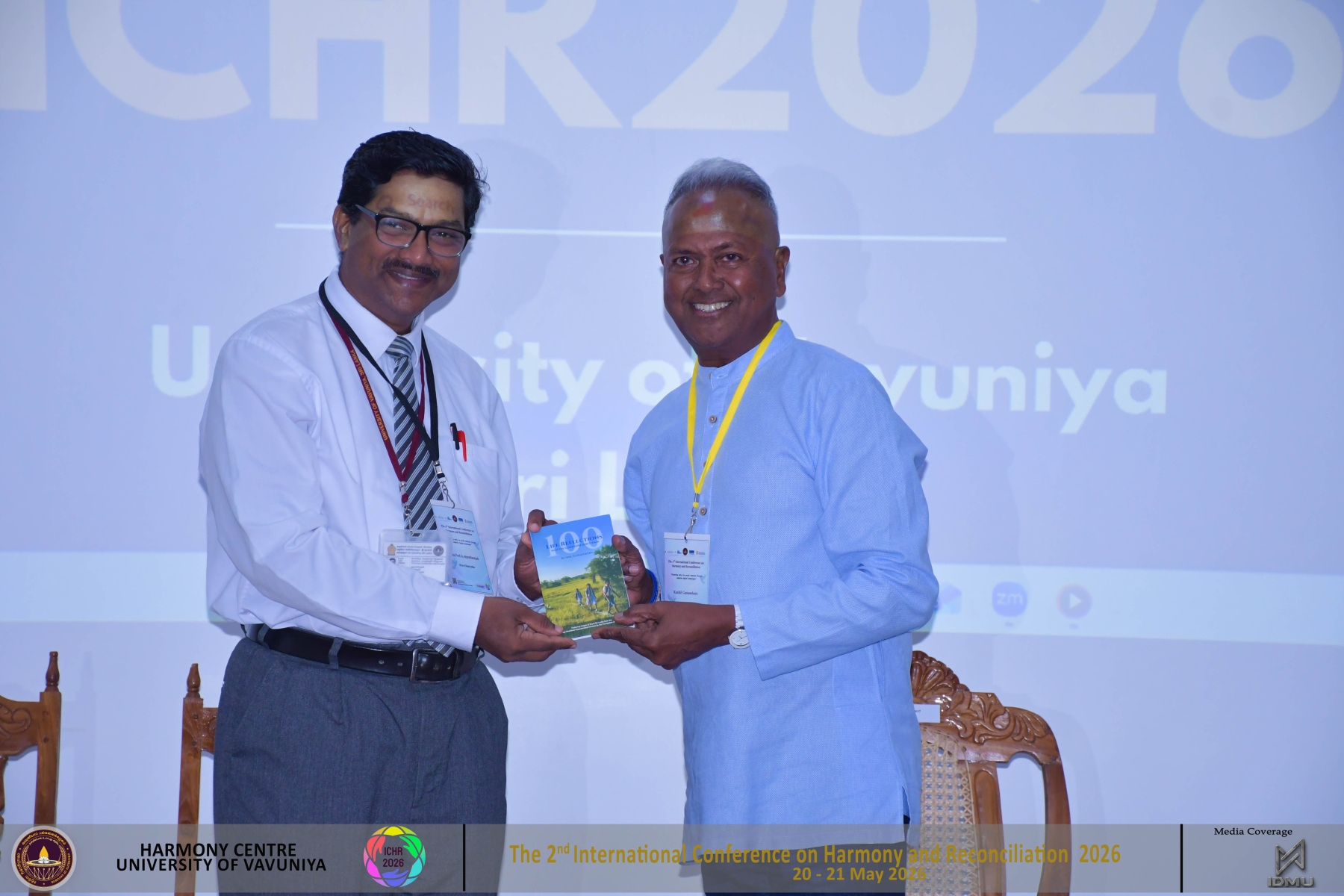
The conference also recognized outstanding research presentations through an awarding ceremony on 21 May 2026. K.G.S.I. Kobbegala won the Best Presentation Award in the Undergraduate Category for the presentation “The Social Impact of Network Technologies in Smart Cities.” Medha de Alwis won the Best Presentation Award in the Regular Category for the presentation “Cultural Heritage Governance as a Legal Pathway toward Sustainable Development: The Sigiriya World Heritage Site in Sri Lanka.” Mr. Kushil Gunasekera, Founding Director of the Foundation of Goodness, presented the awards.
ICHR2026 Conclusion and Future Outlook
Overall, ICHR2026 successfully created an international multidisciplinary platform for academic dialogue and collaboration and strengthened discussions on harmony, reconciliation, peacebuilding, social cohesion, and inclusive governance. The conference enhanced networking among academics, researchers, practitioners, policymakers, and students while promoting evidence-based and policy-oriented engagement. It also gave students and early-career researchers valuable academic exposure and encouraged further interdisciplinary and international collaboration.
In conclusion, the Harmony Centre successfully completed the 2nd International Conference on Harmony and Reconciliation (ICHR2026) with the active participation and cooperation of local and international stakeholders. The conference provided a valuable platform for academic exchange, policy discussion, networking, and collaborative engagement on harmony, reconciliation, peacebuilding, and social cohesion. This successful completion further strengthened the Harmony Centre’s role at the University of Vavuniya in promoting intercultural understanding, social cohesion, peacebuilding, reconciliation, and inclusive community engagement through future academic, policy-oriented, and community-based initiatives.