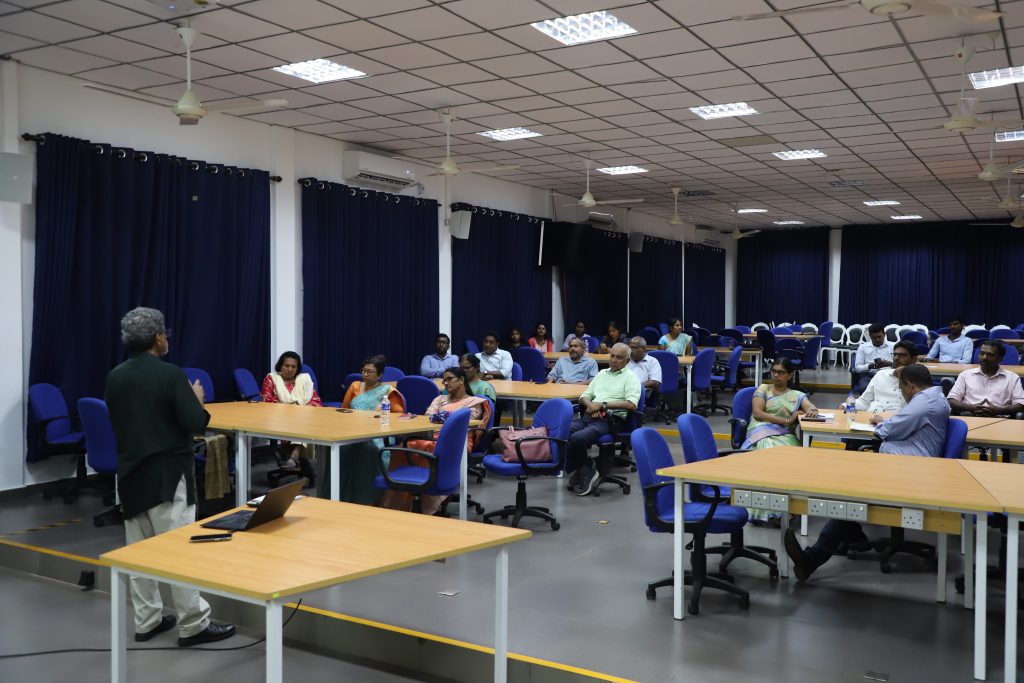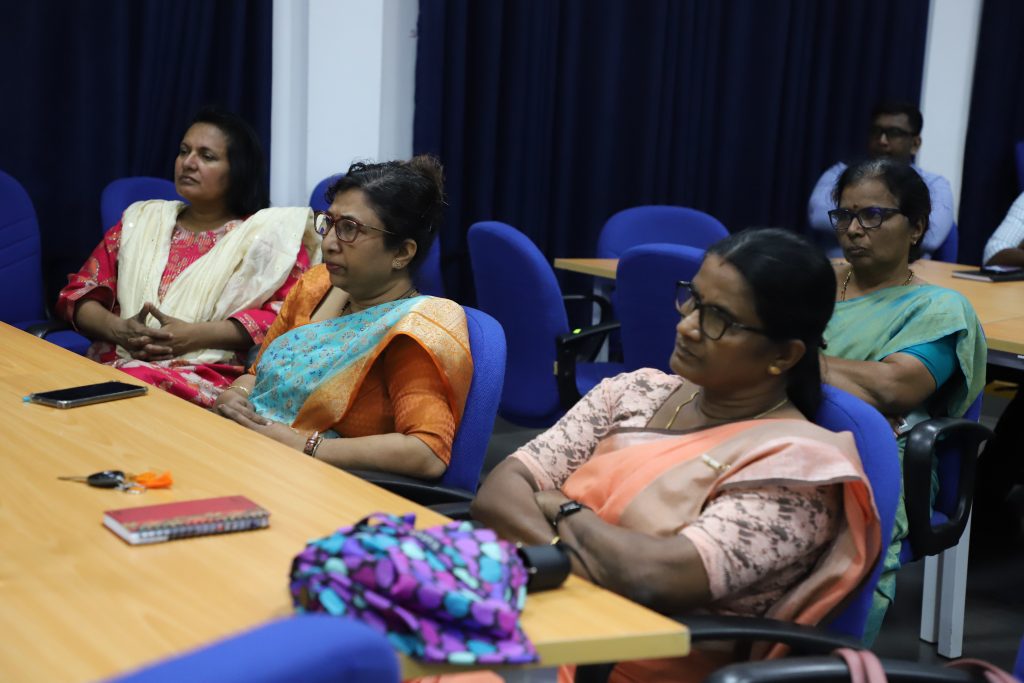




The Staff Development Center recently organized a vital session on quality control training at the University of Vavuniya. This professional development program served the academic, executive, and administrative staff of the institution.
The session took place on 5th March 2026 from 1:00 p.m. to 2:30 p.m. Organizers selected the Smart Lecture Hall within the Faculty of Applied Science to host the event. Dr. S. Nathikesan, the Lead Evaluation Officer at the International Fund for Agricultural Development (IFAD), conducted the training.
Shifting Focus Toward a Results-Oriented Framework
During the session, Dr. Nathikesan thoroughly explained the modern concept of institutional quality. He emphasized that maintaining rigorous quality standards remains essential for achieving effective corporate results.
Specifically, he highlighted the importance of mapping out the entire operational chain. This mapping connects initial resource inputs and intermediate milestones to final institutional outcomes. This approach shifts the campus mindset away from basic rule compliance and moves it toward measurable real-world achievements.
Implementing SMART Targets and Performance Baselines
The core curriculum of this quality control training at the University of Vavuniya focused heavily on target planning. Dr. Nathikesan trained the university staff to set SMART objectives.
The presentation covered five critical project management criteria:
- Specific: Defining clear, unambiguous operational goals for each department.
- Measurable: Establishing concrete metrics to track administrative progress.
- Achievable: Crafting realistic targets that align with available university resources.
- Relevant: Ensuring goals directly support the institution’s educational mission.
- Time-bound: Setting strict deadlines for project completion and evaluation.
Furthermore, the speaker emphasized the critical need to establish clear baseline data for each performance indicator. Without accurate baselines, departments cannot measure their growth over time.
Building a Cascading Quality Culture
Dr. Nathikesan discussed key principles of institutional oversight. He advocated for a systematic, cascading approach. This method covers all academic and non-academic departments smoothly.
Instead of isolating management protocols, the system integrates every branch into a single corporate ecosystem. This collaborative structure helps build a truly results-oriented workplace culture.
During the final segment, participants actively engaged in practical discussions. Staff members shared their unique workplace challenges and compared different monitoring methods. This peer exchange helped them discover practical ways to apply these evaluation tools to their daily tasks.
Overall, the comprehensive program successfully upgraded the staff’s understanding of systemic quality management. It ensures that the university continues to meet international operational standards.