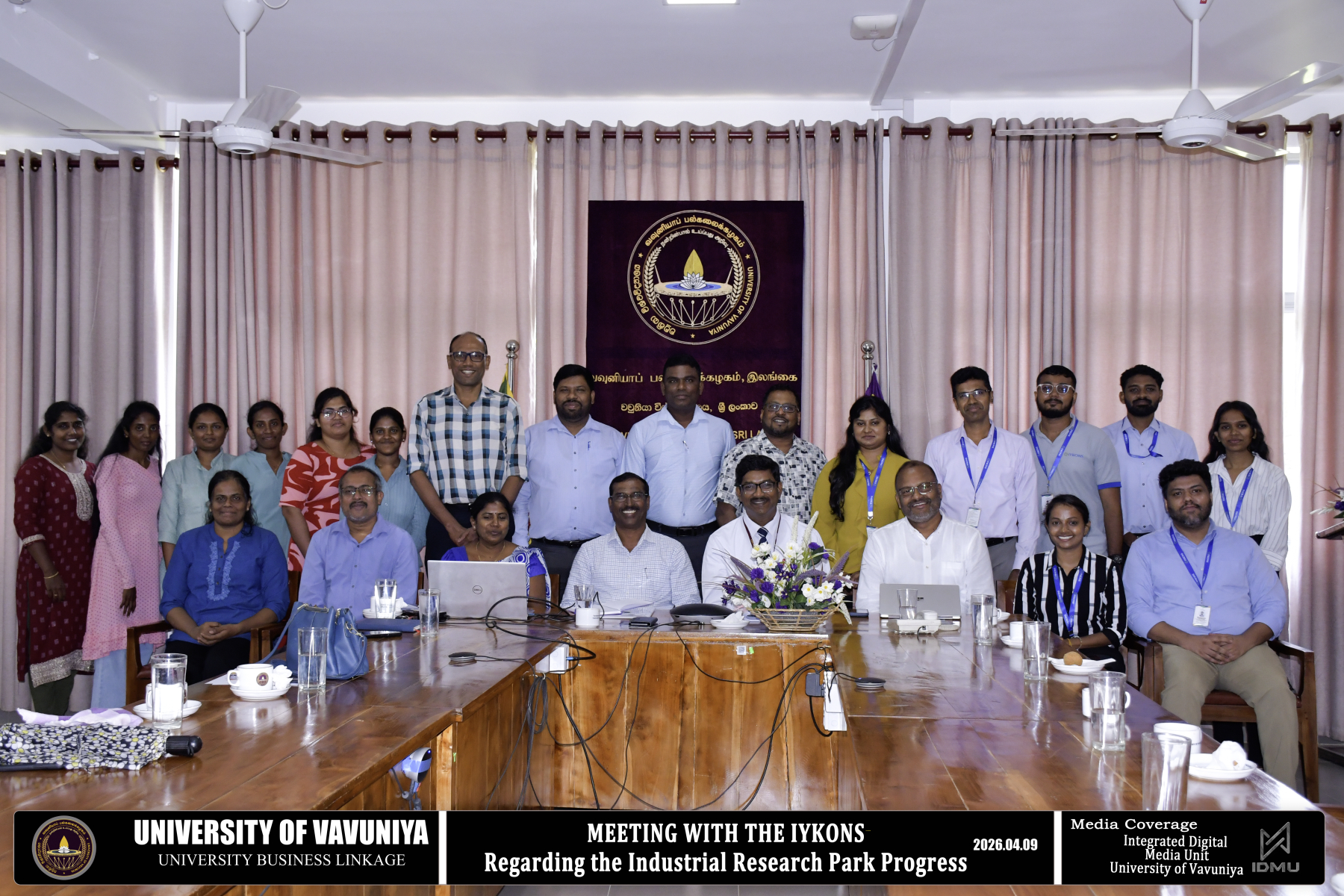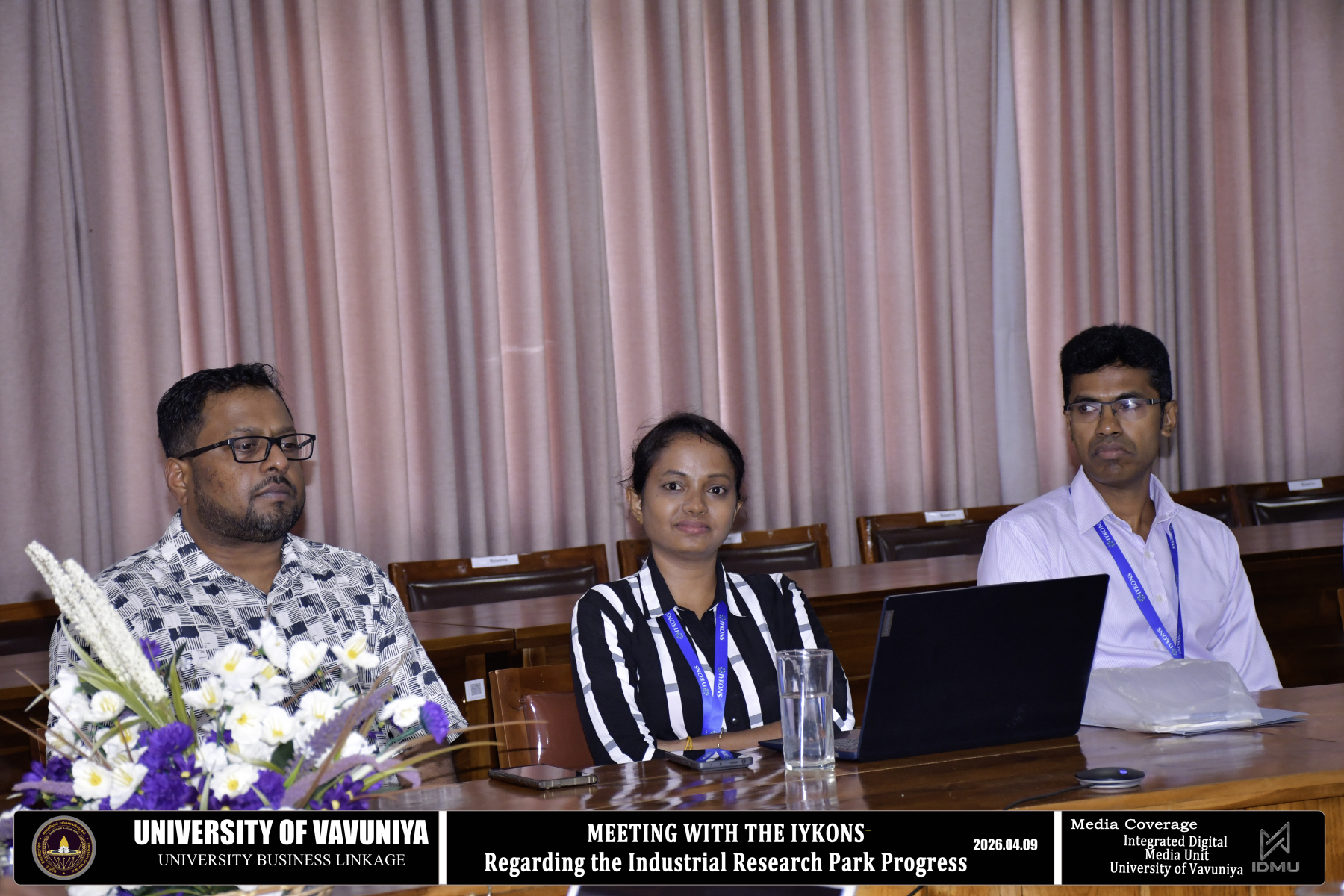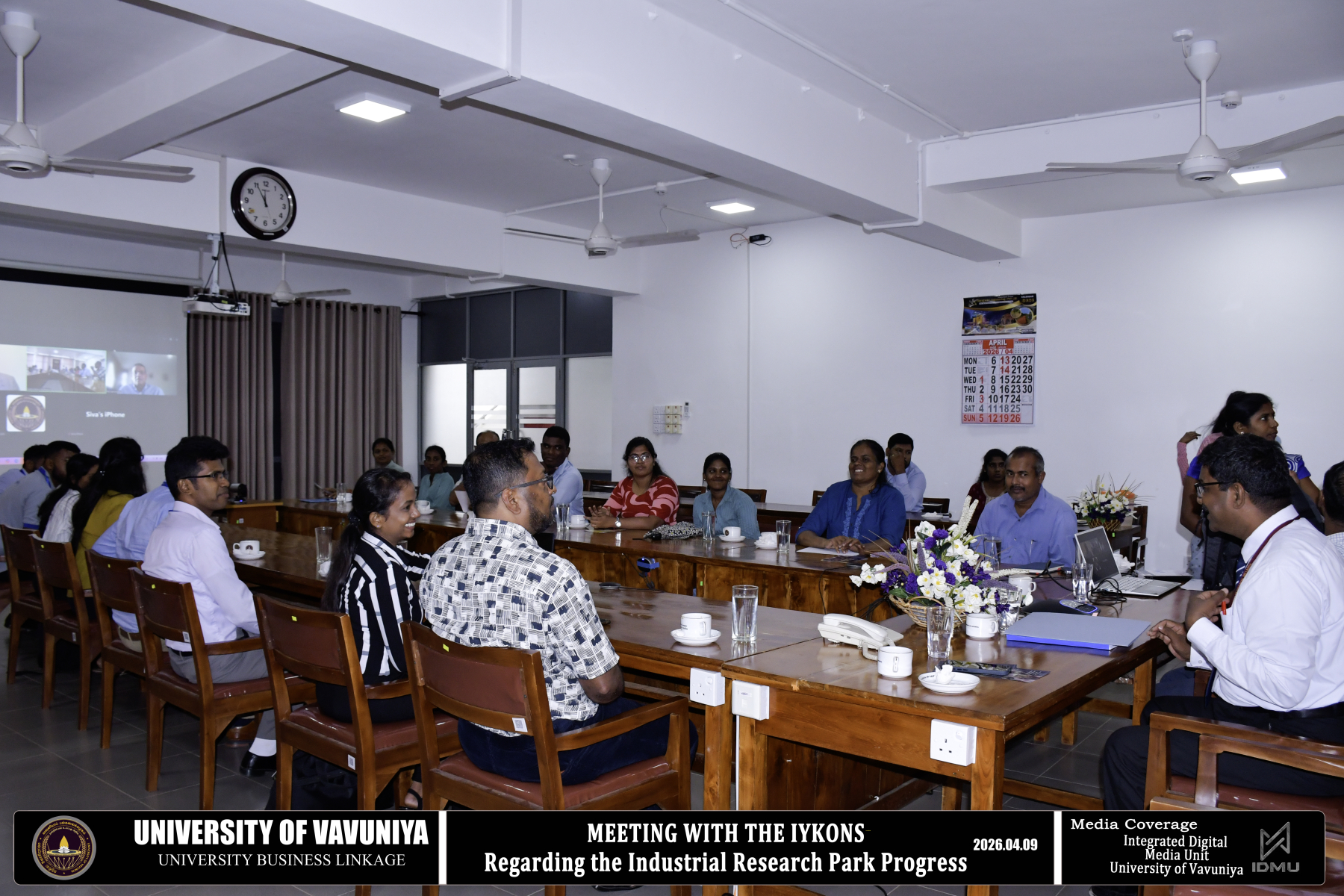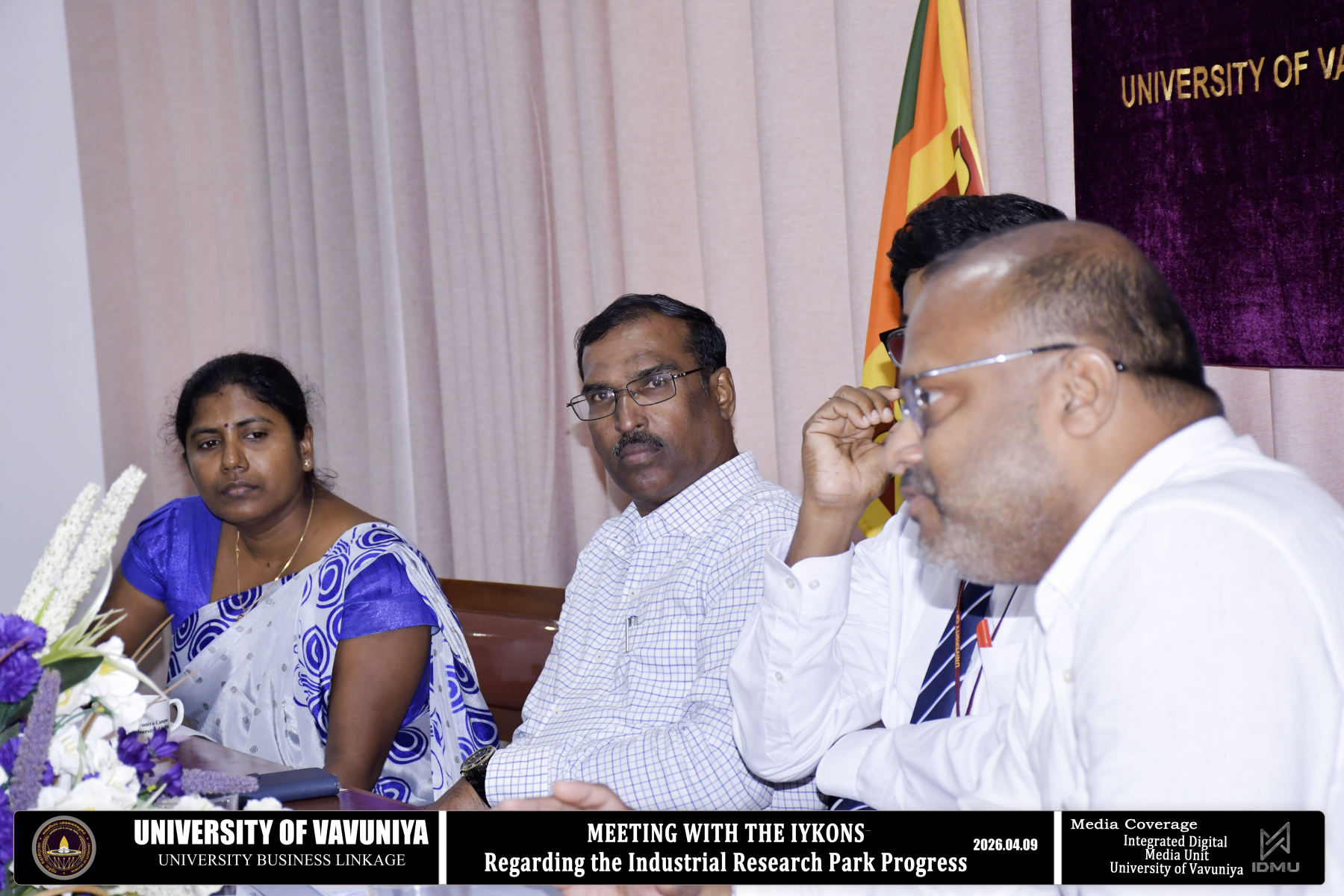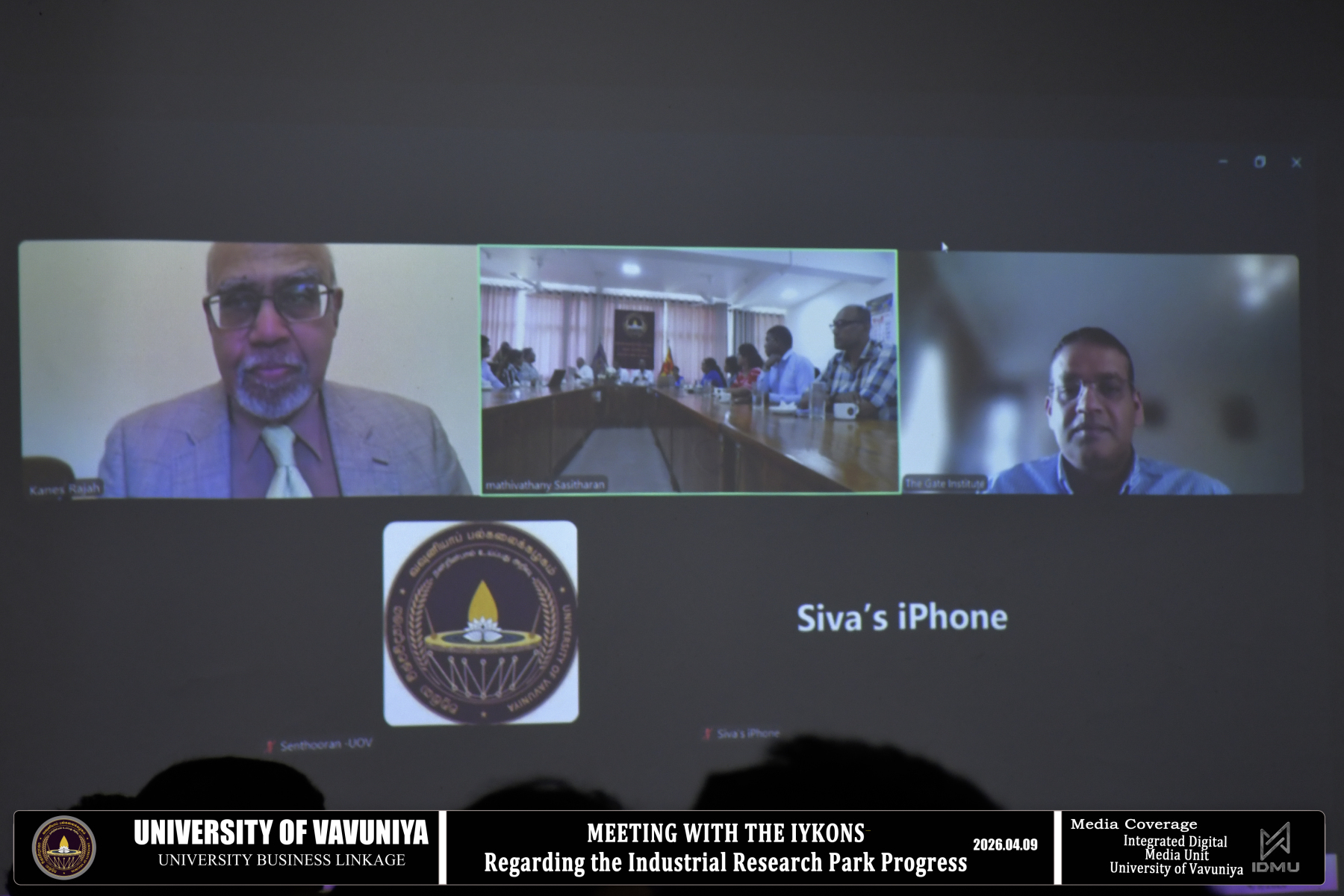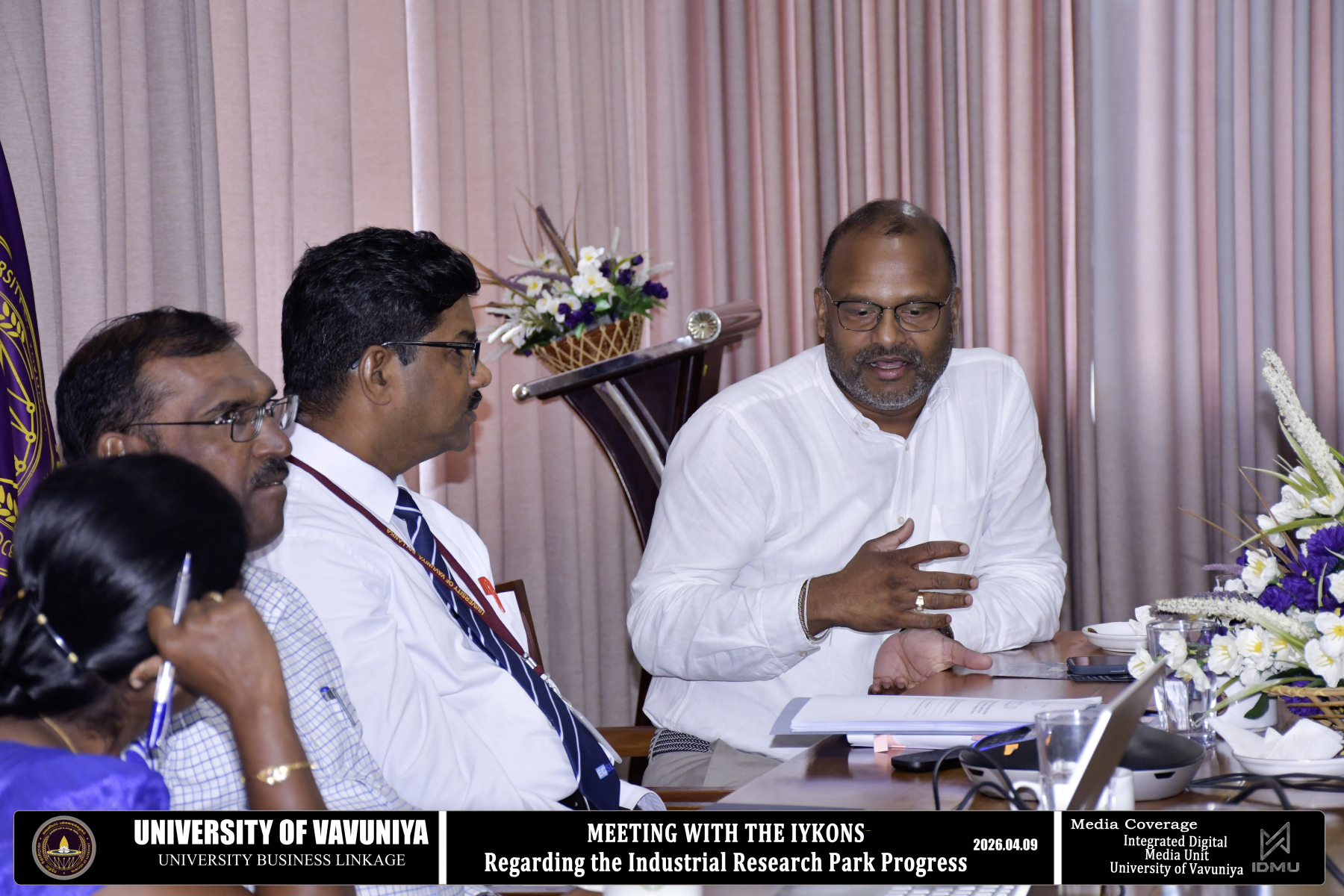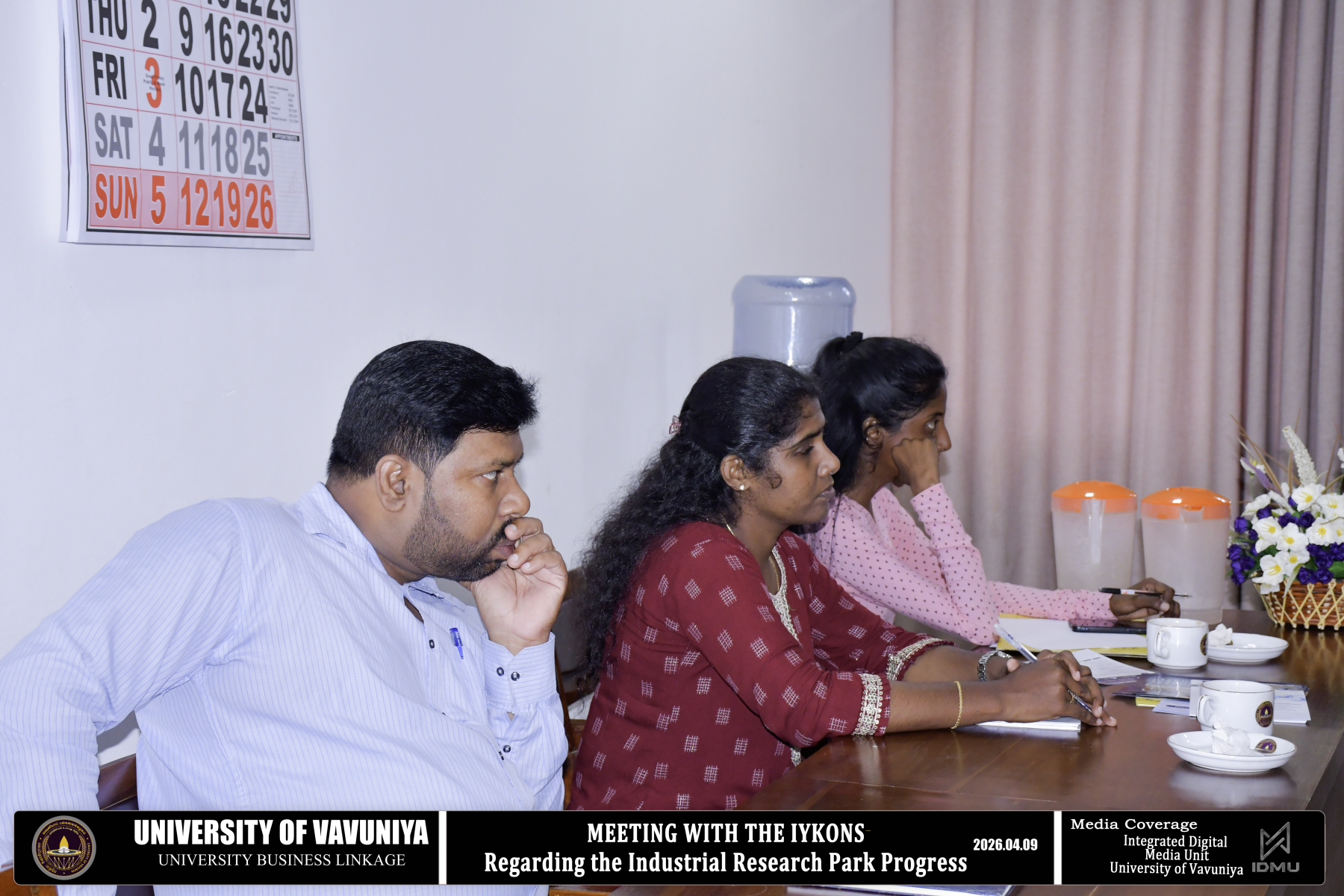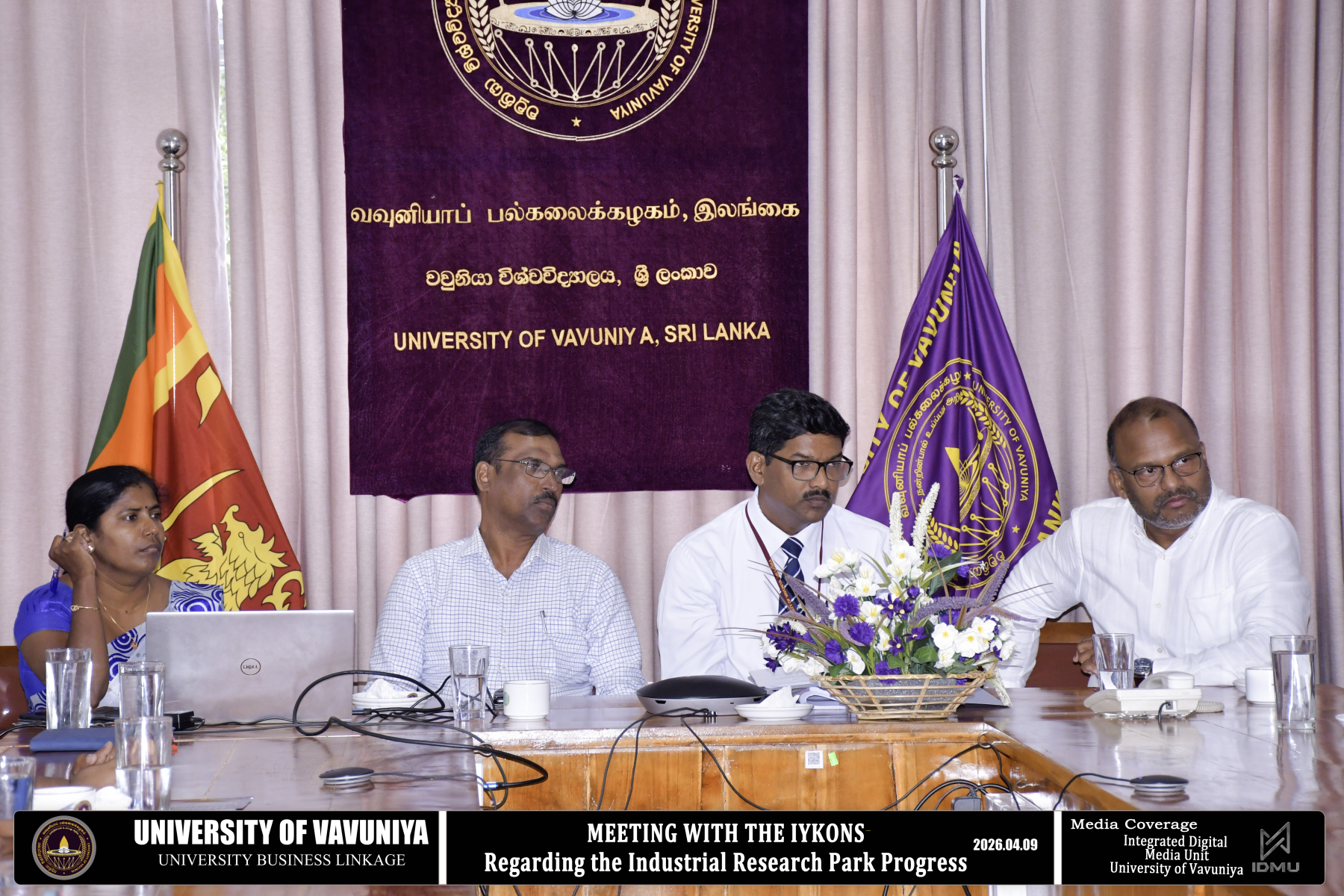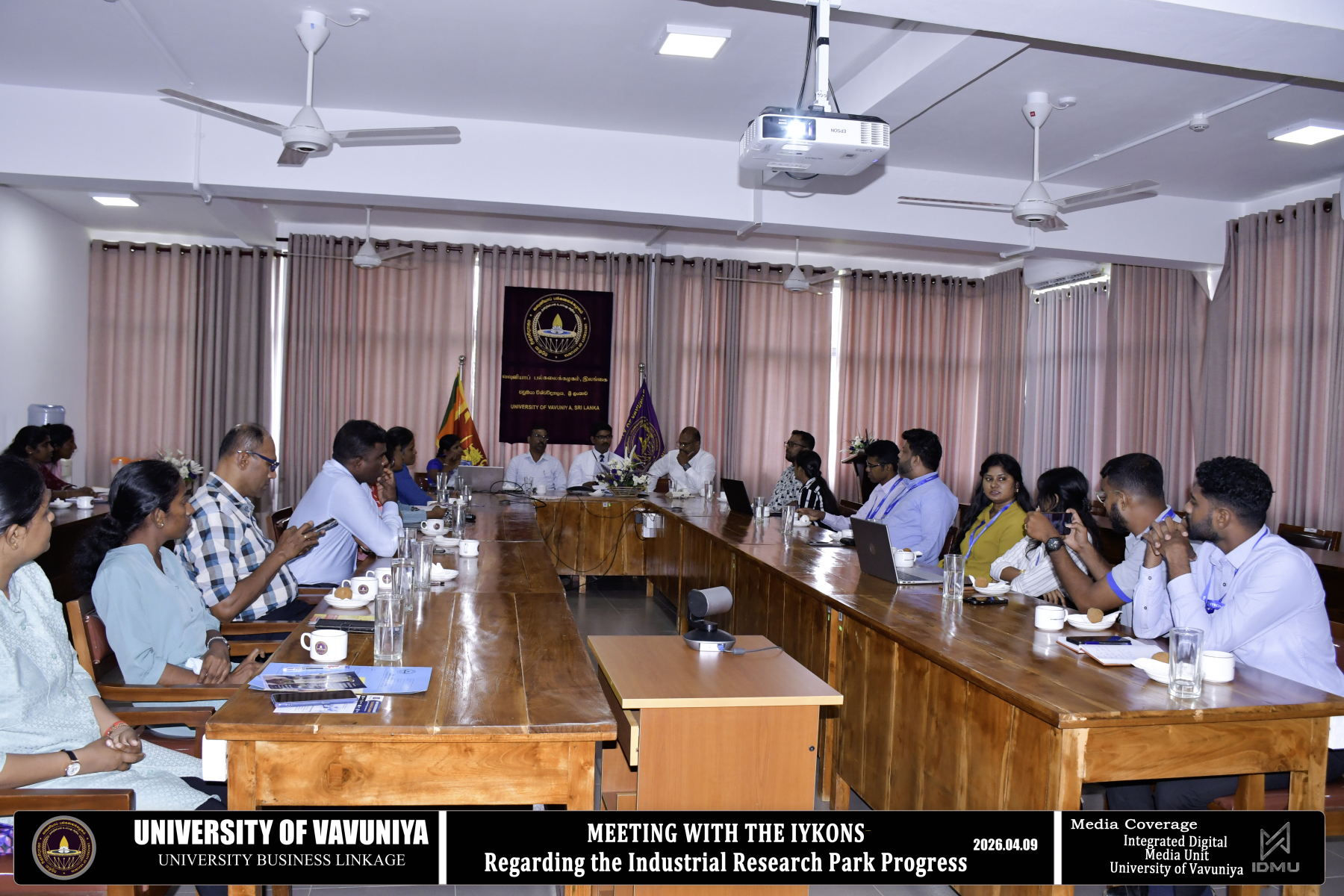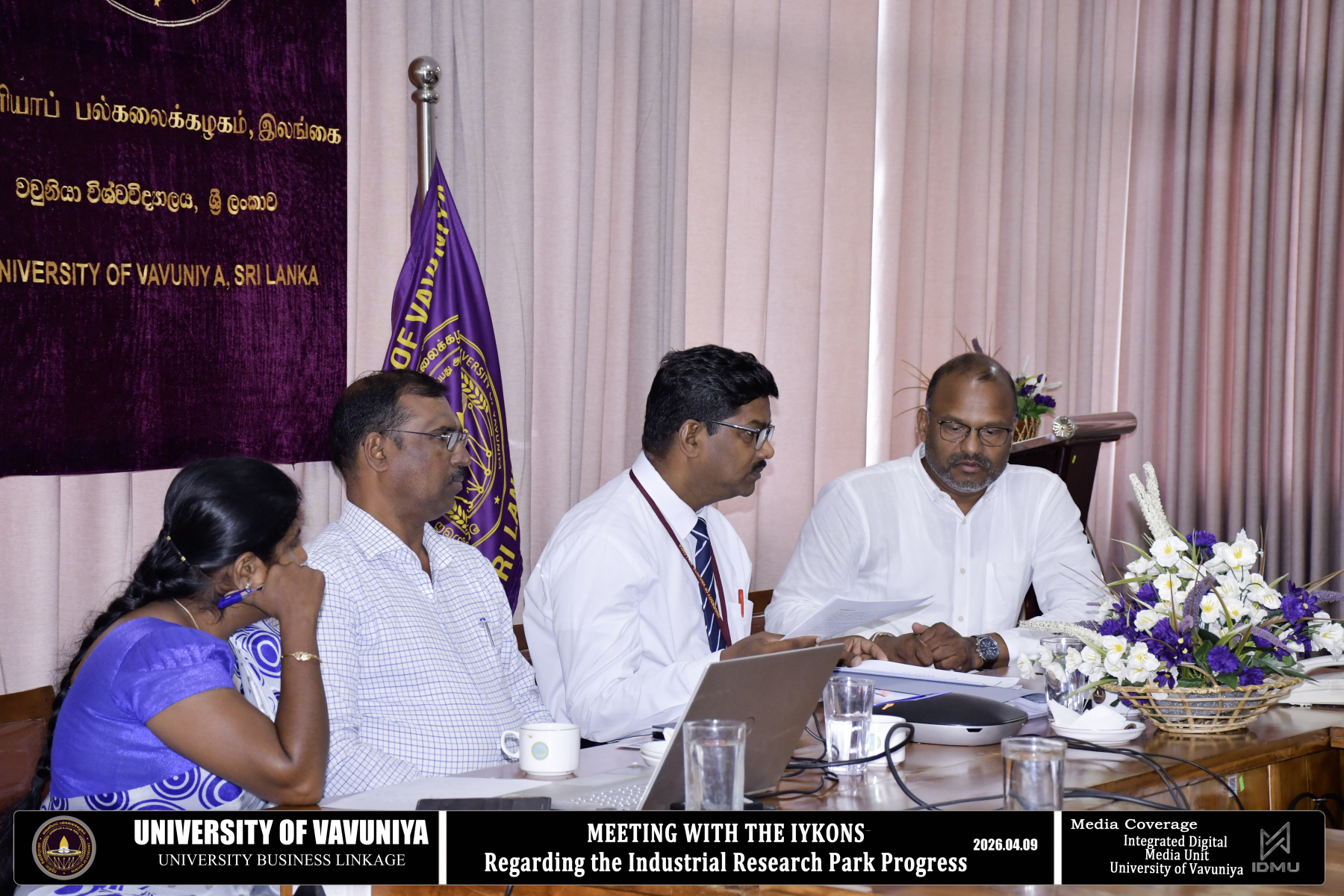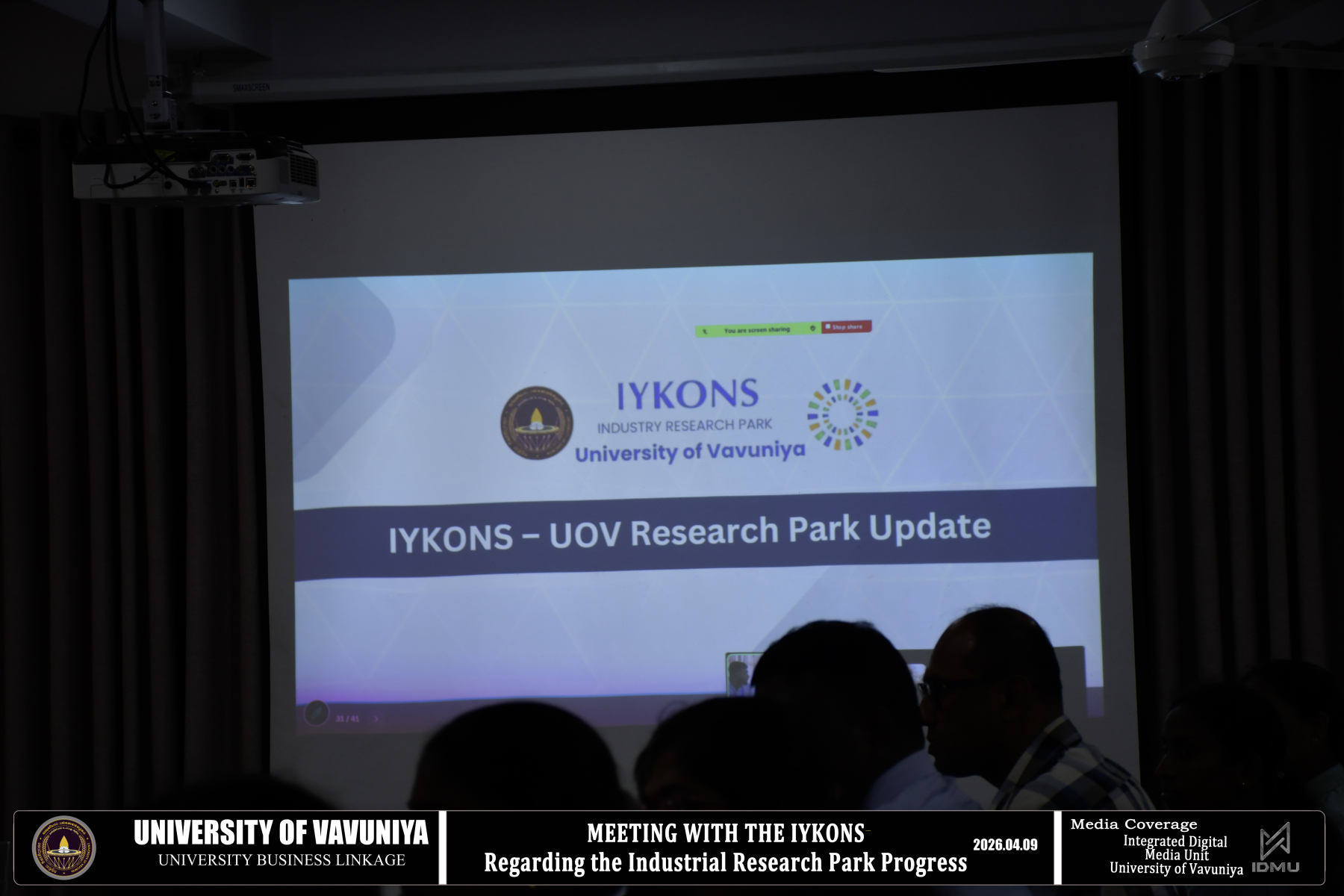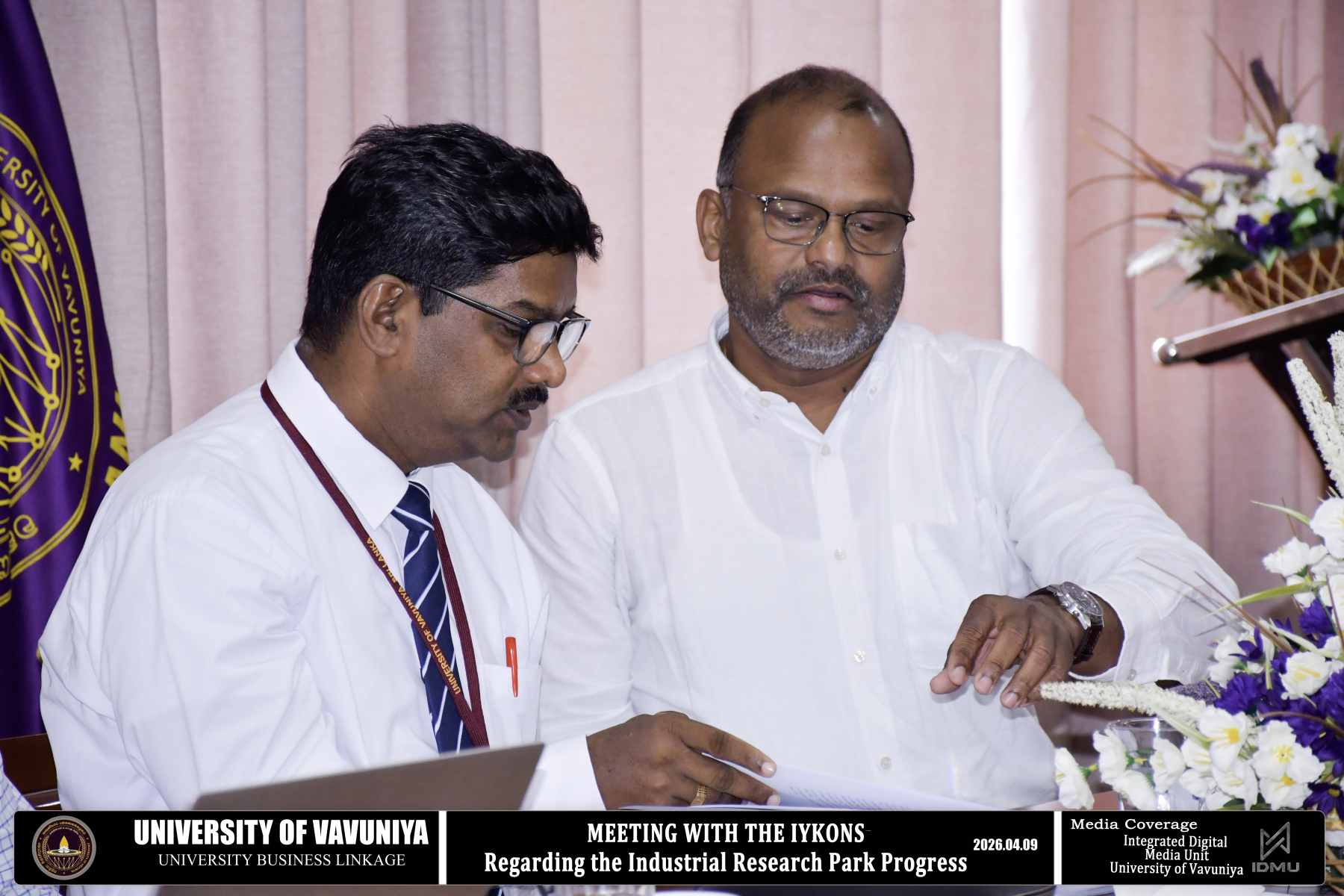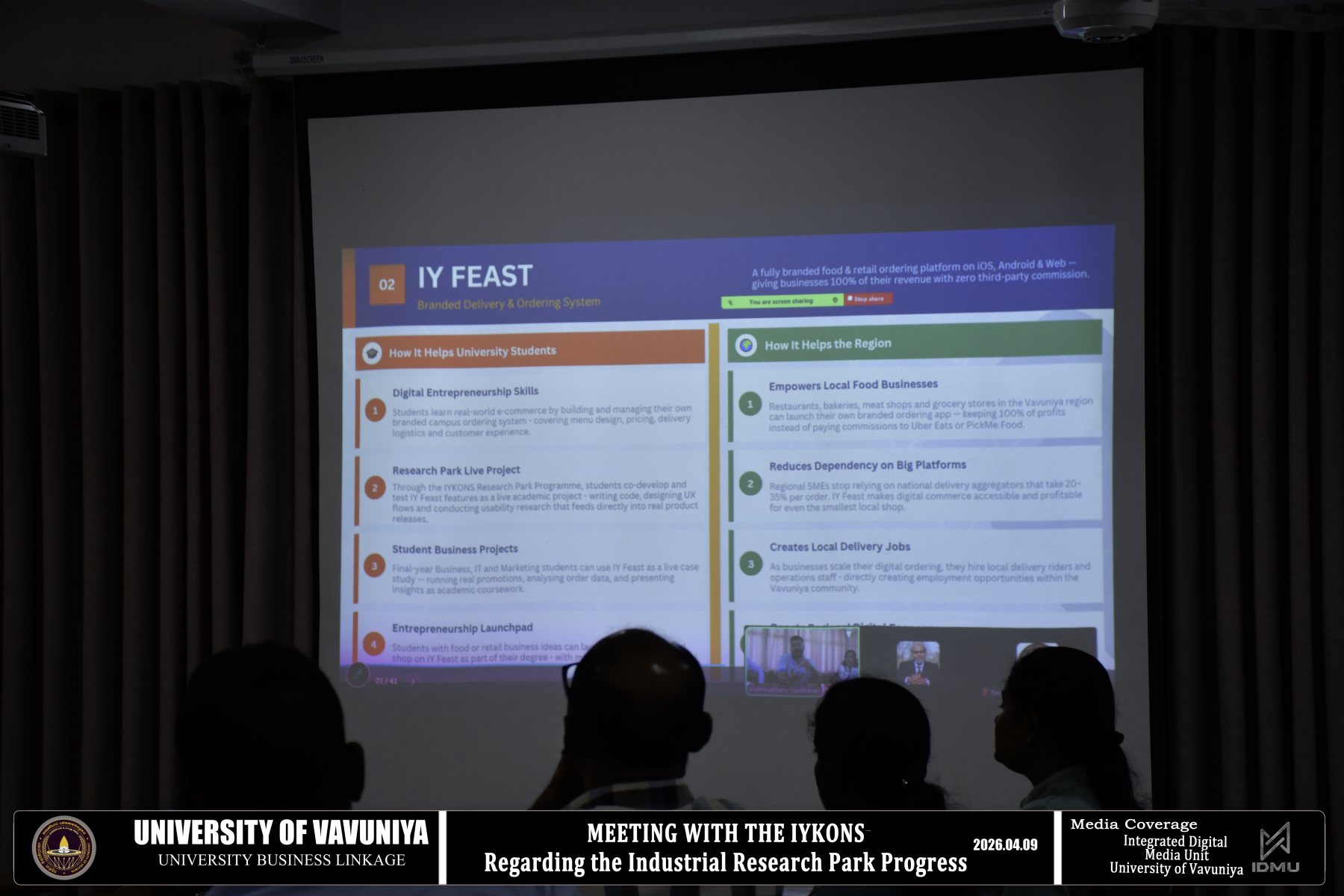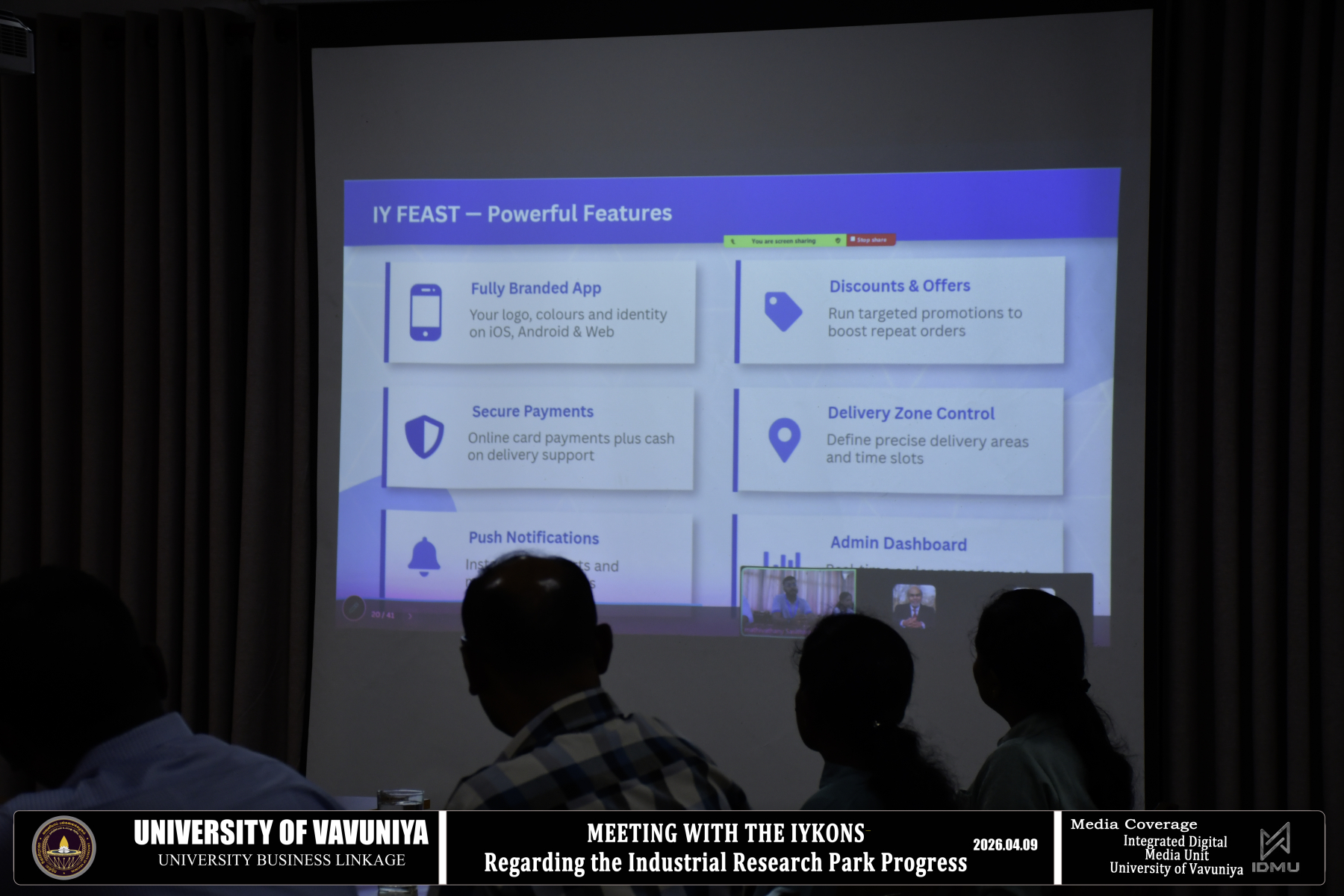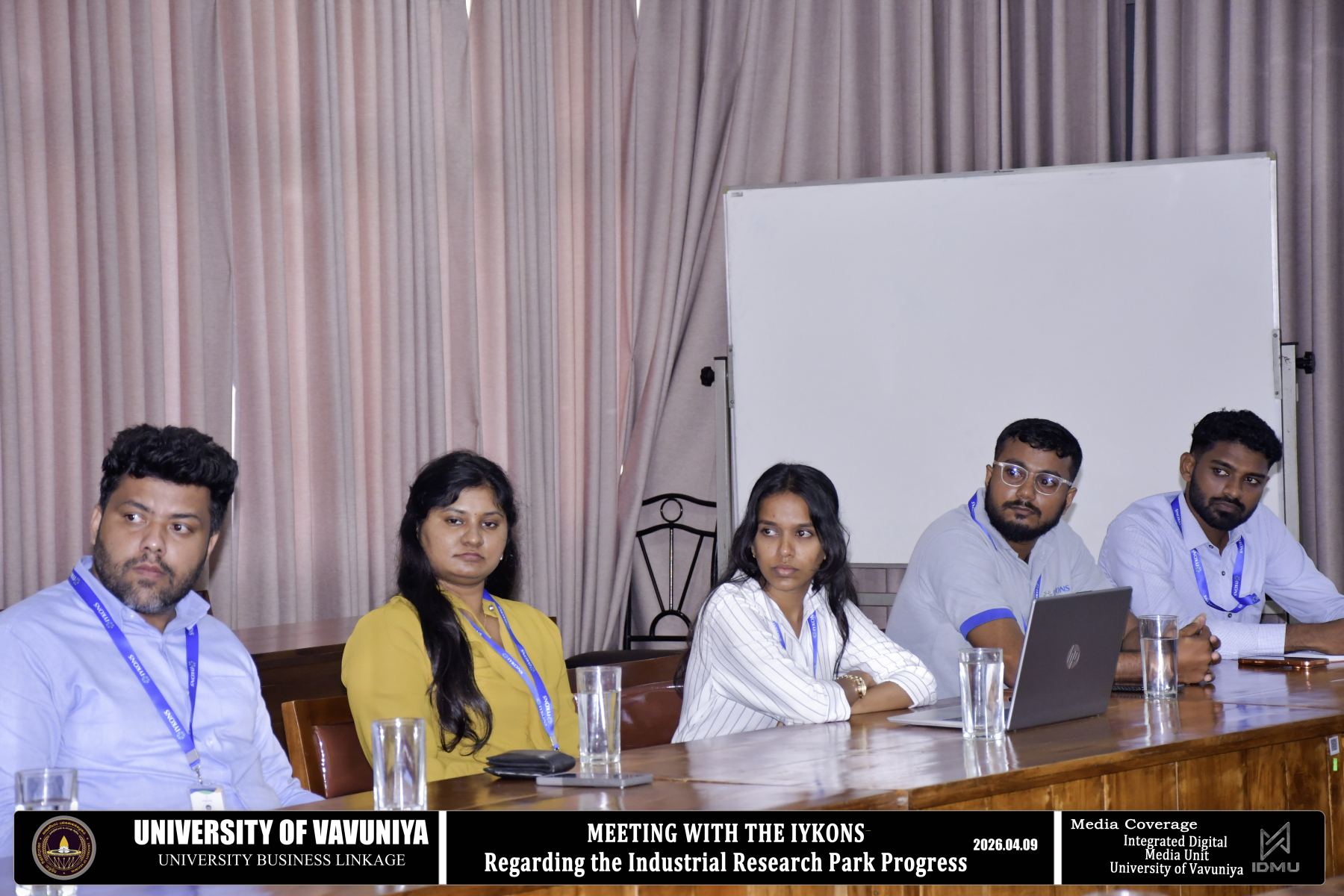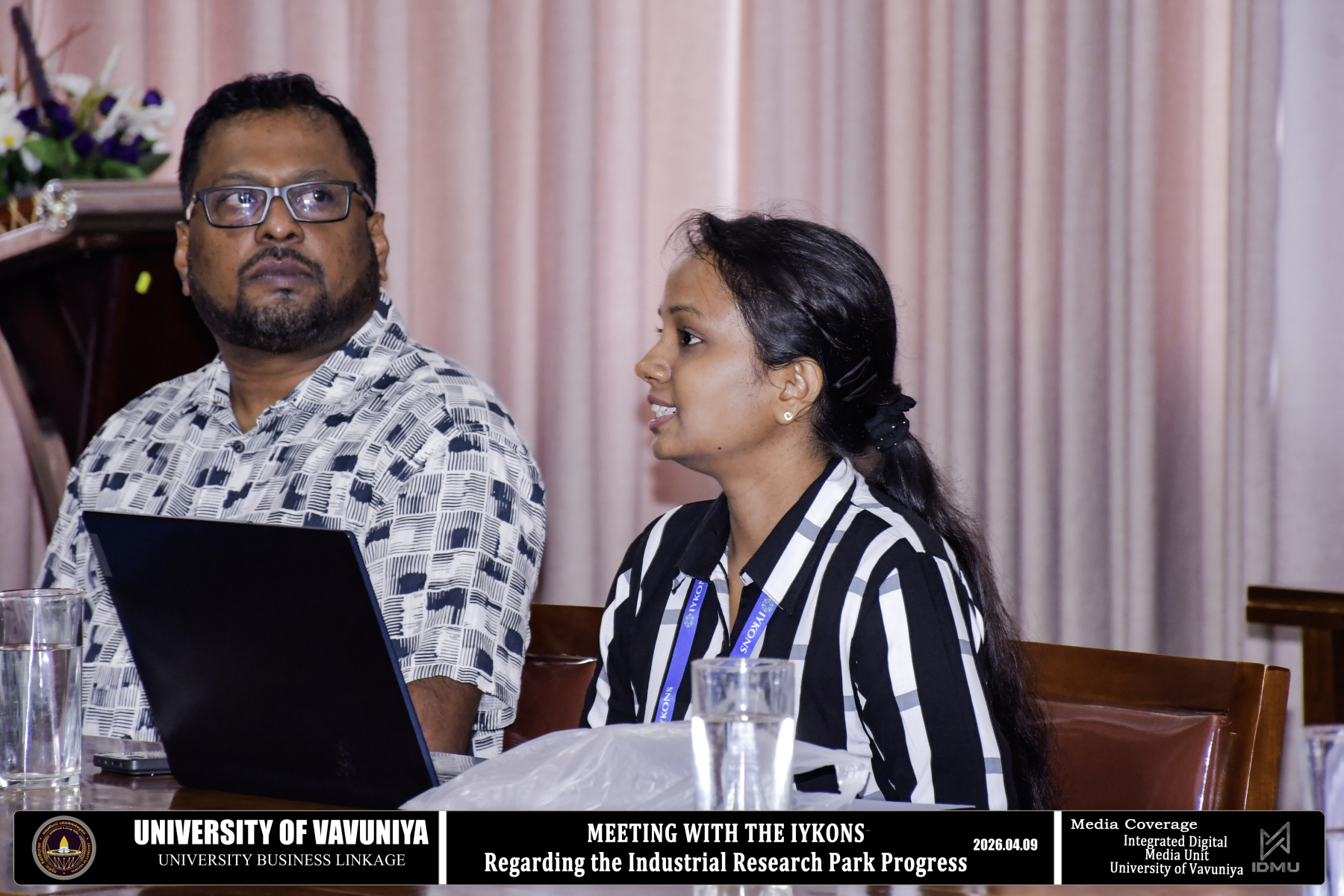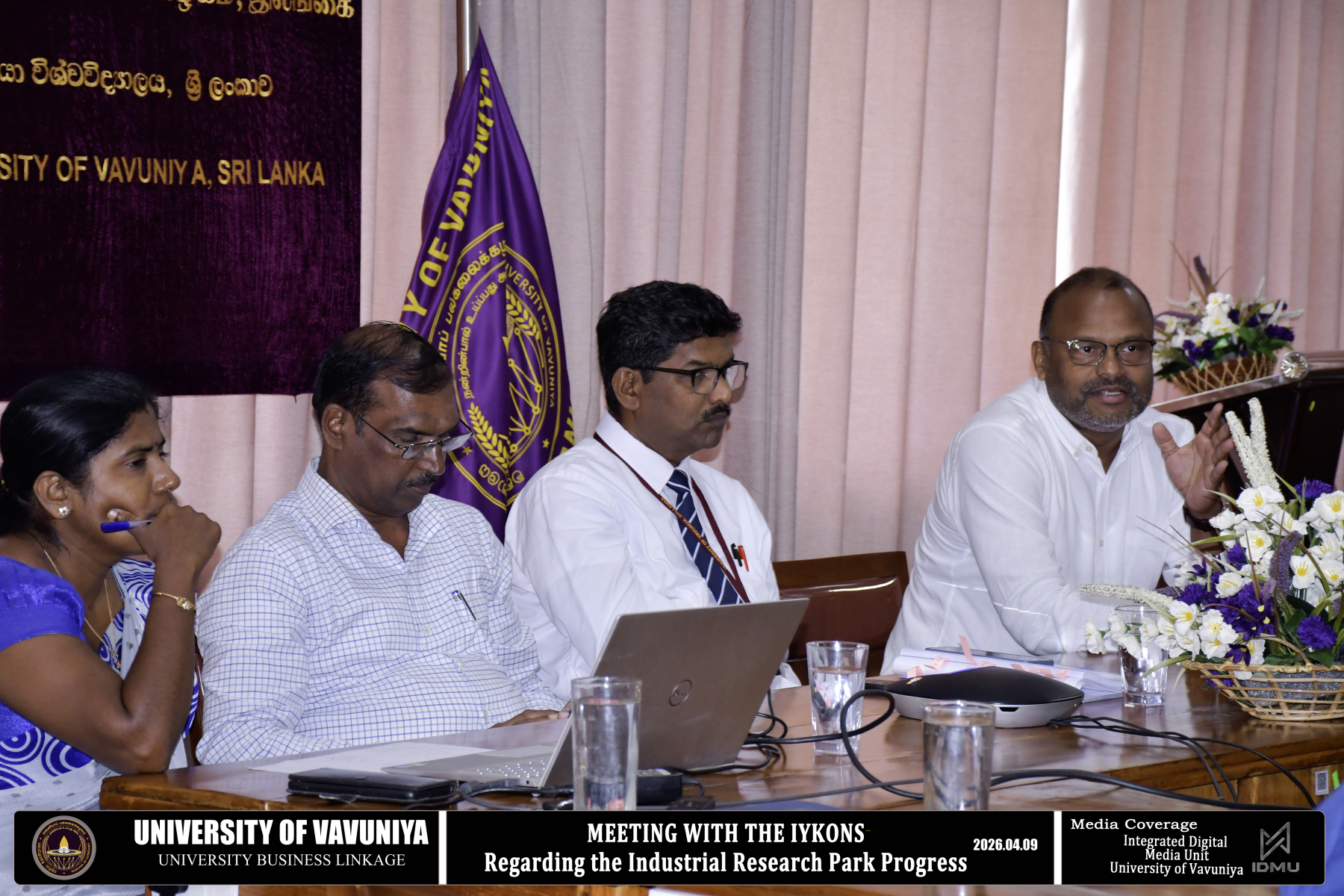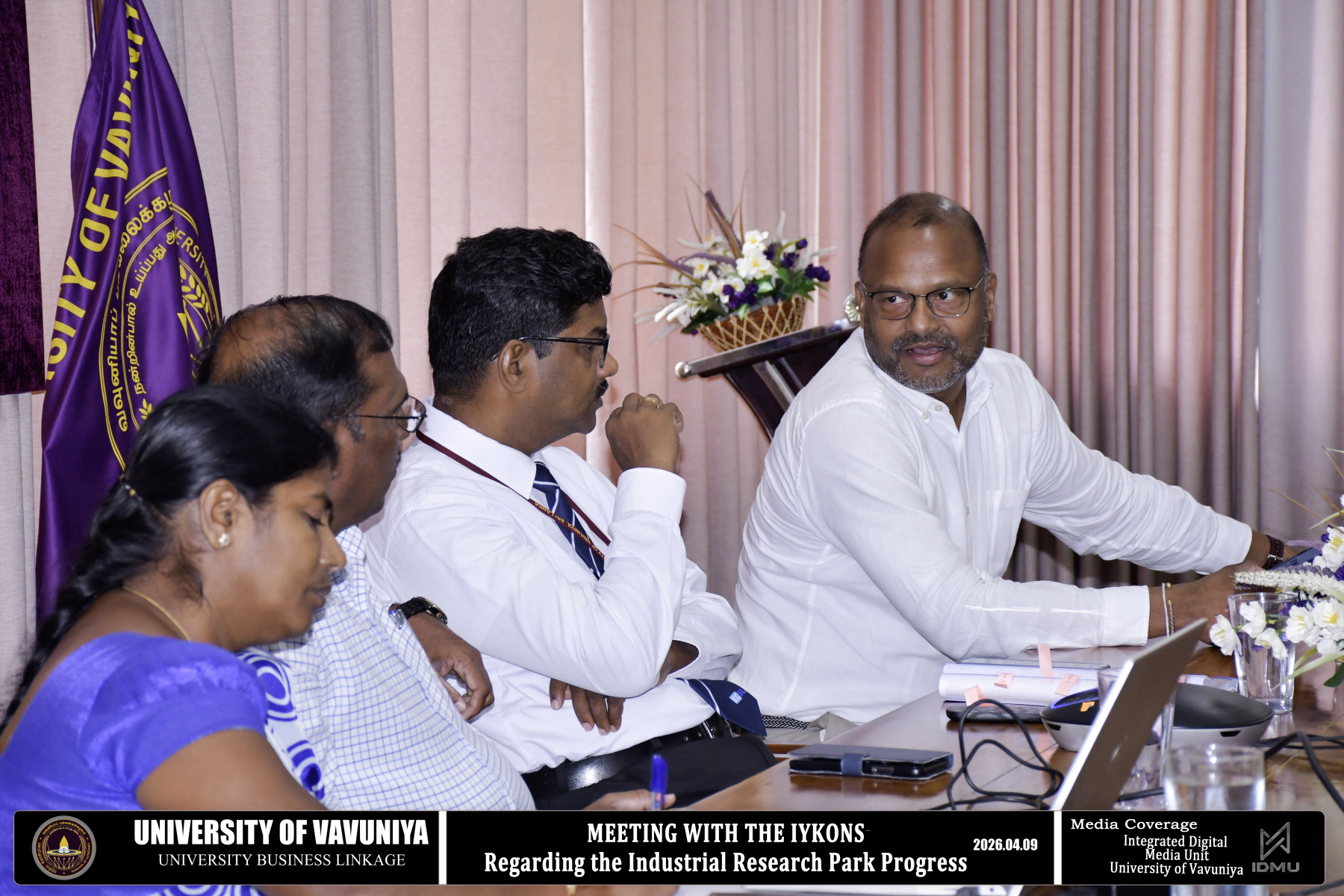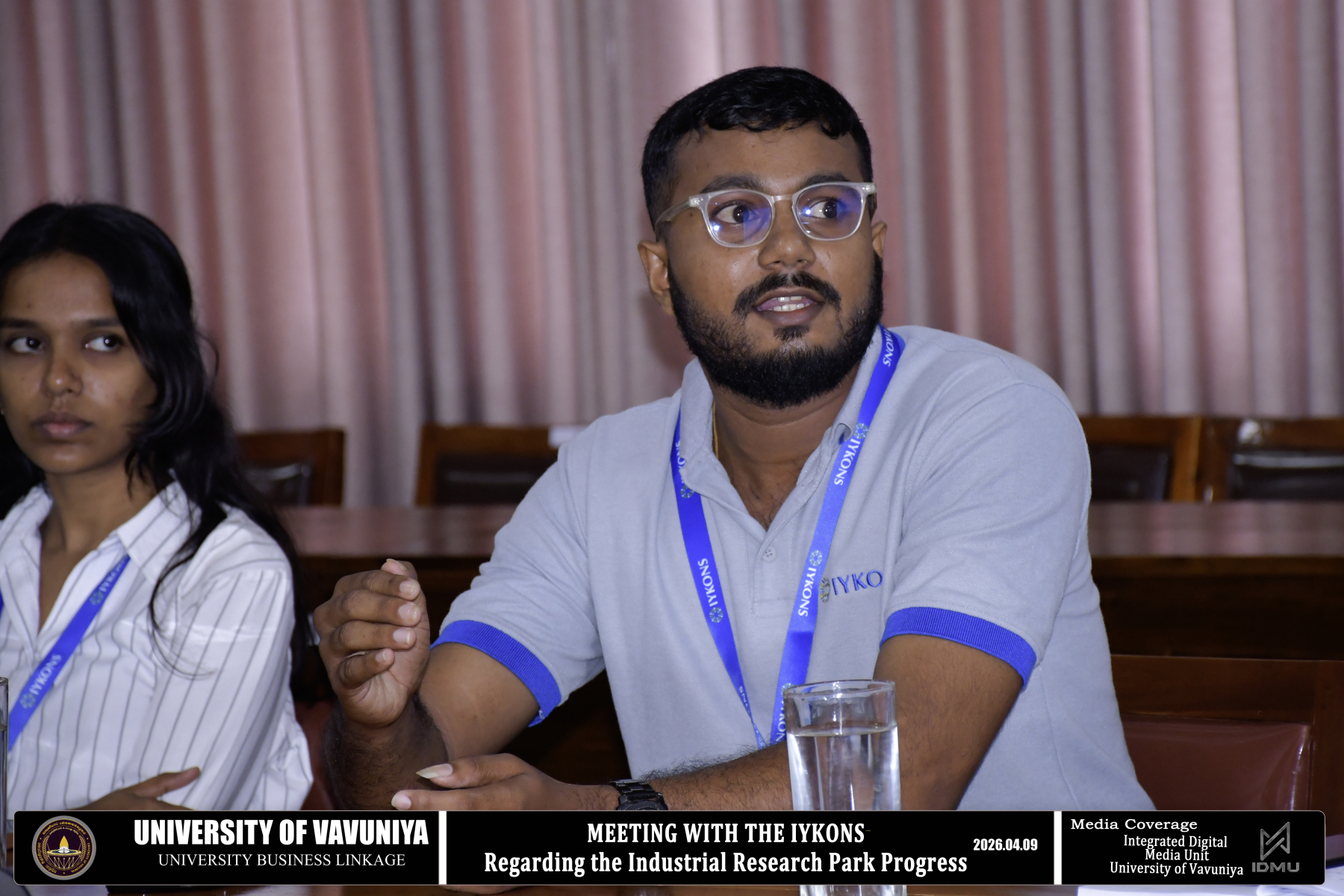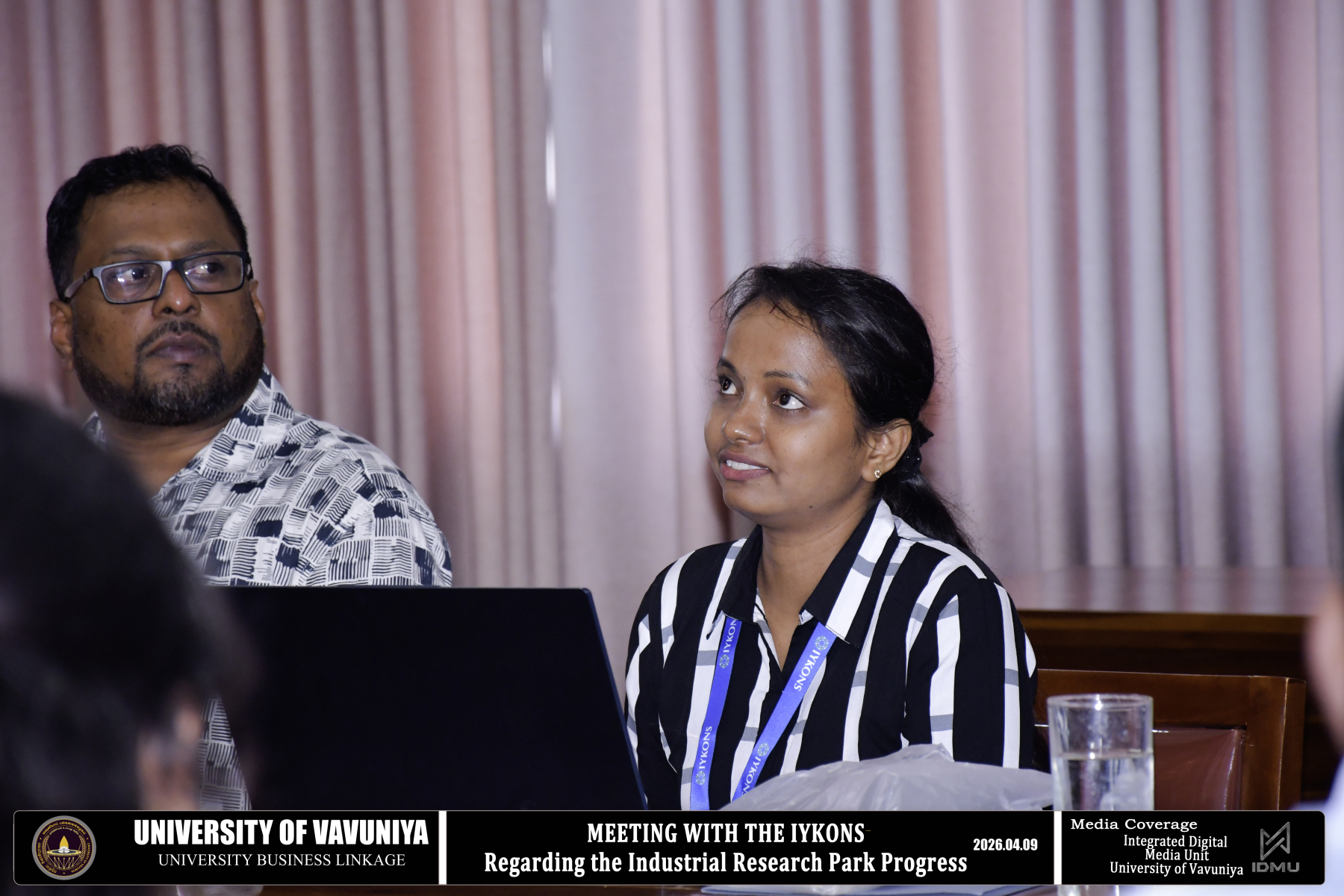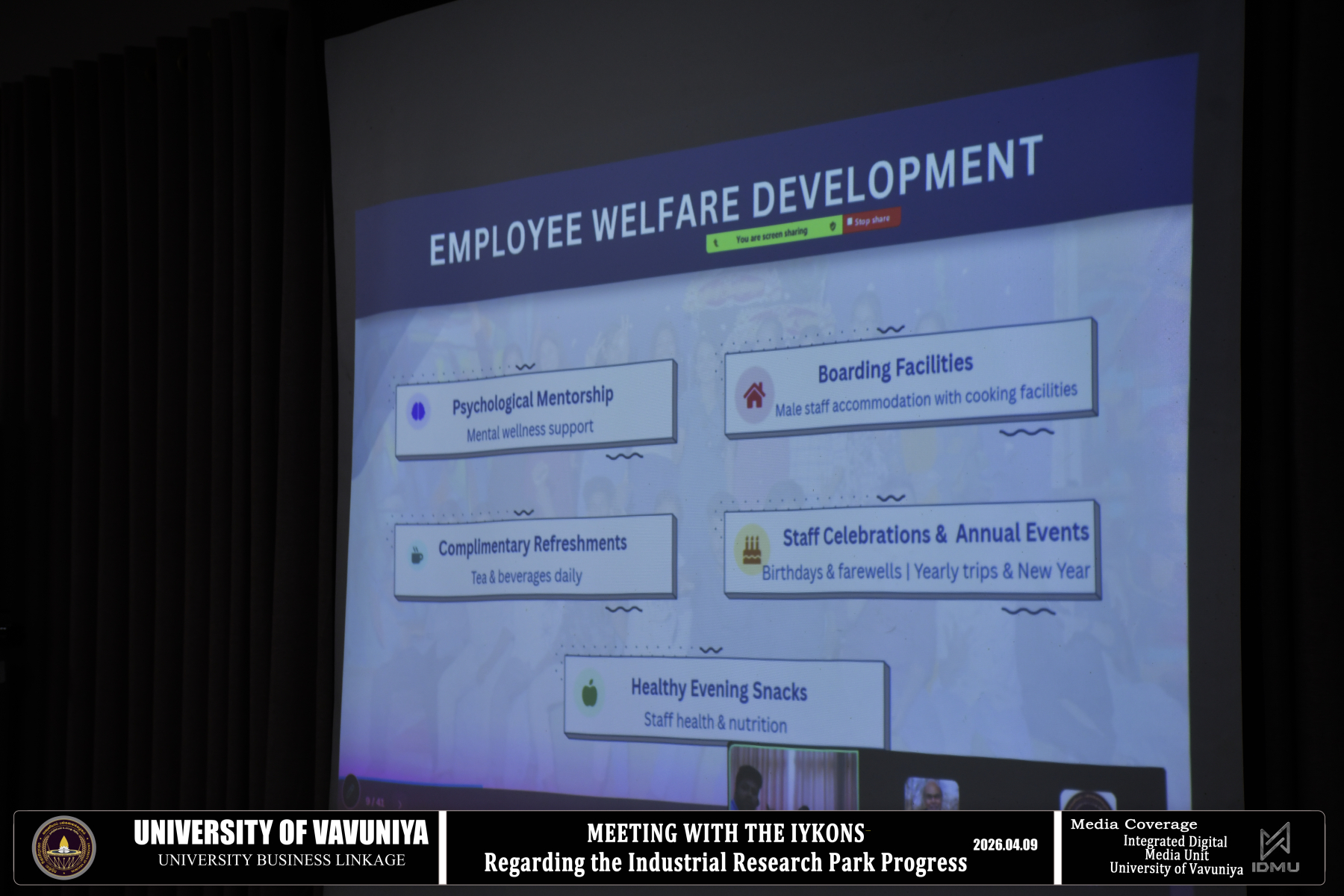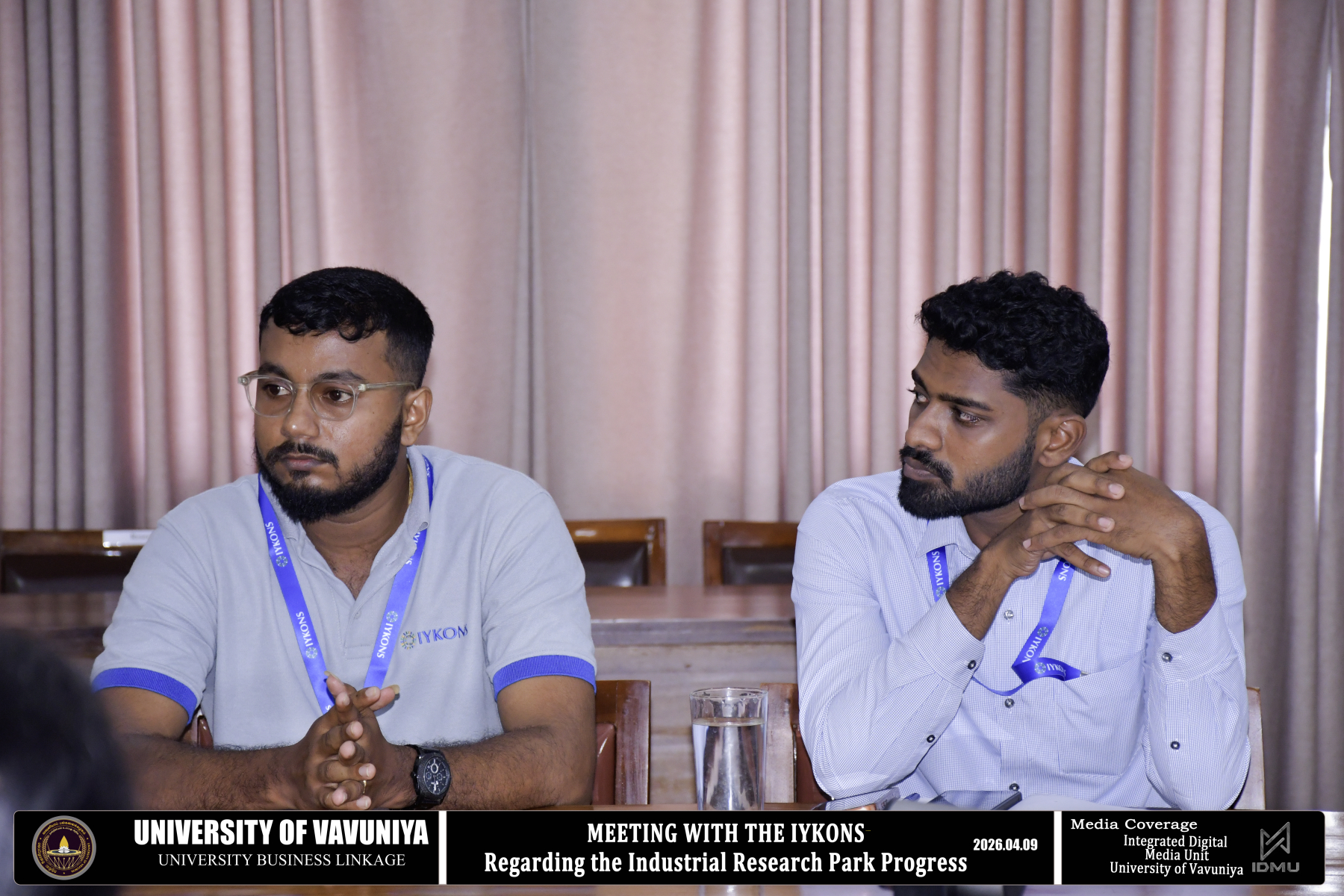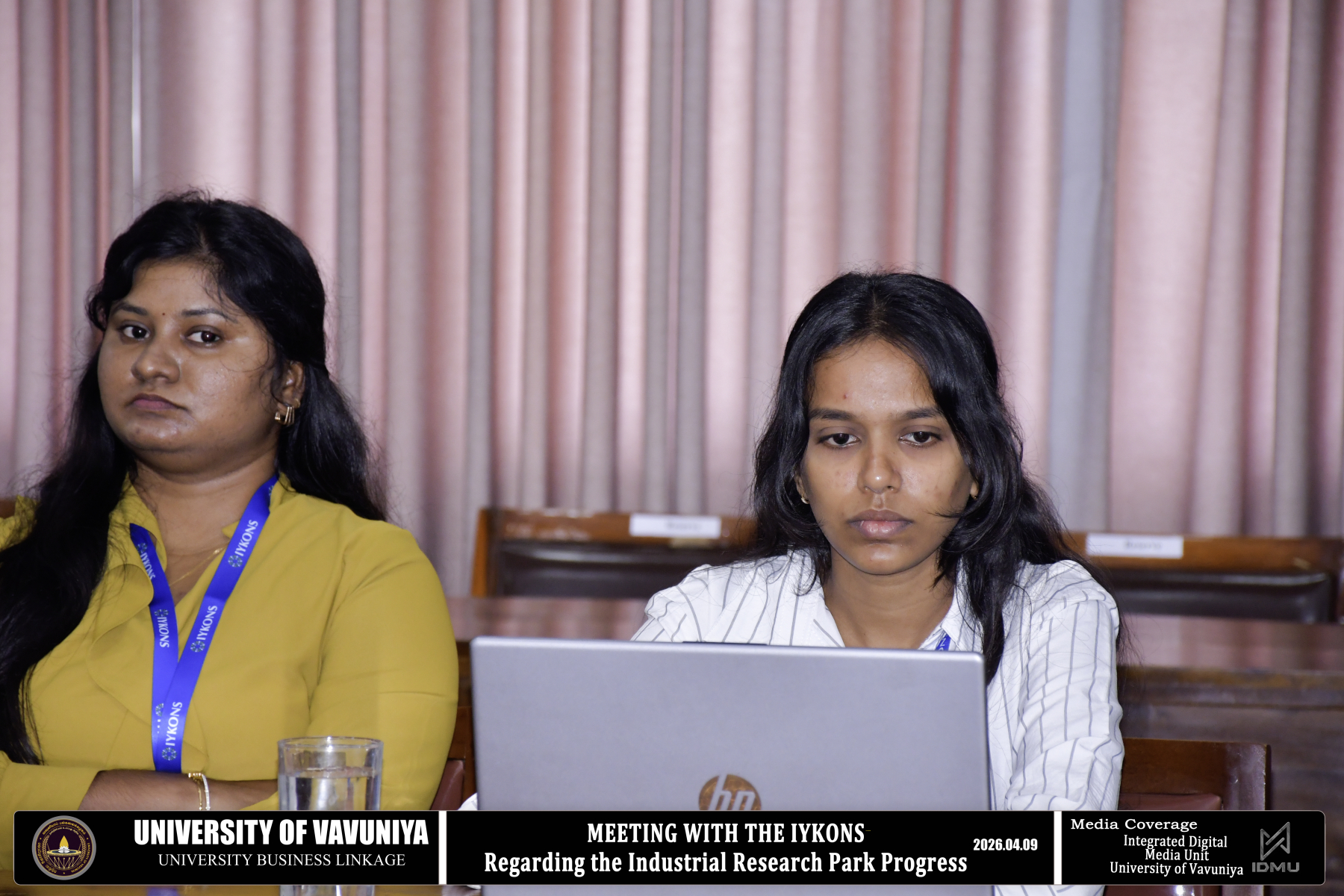




A strategic Industrial Research Park meeting with representatives from IYKONS was held on 9th April 2026 at 11:30 AM. This vital session took place in the Boardroom of the campus IT Centre. During the session, the delegates focused their discussion on collaborative opportunities, strategic partnerships, and structural development plans for the university’s upcoming technology hub.
By establishing these corporate bridges, the university actively gives undergraduates and researchers direct access to commercial markets.
University Harmony Centre Initiative
The University Harmony Centre actively drives transformation in Sri Lanka’s Northern and Eastern regions. Specifically, it promotes strong collaboration between academia, industry, and strategic partners. In addition, the initiative supports sustainable economic development through structured partnerships and innovation-driven programs.
Advancing University–Industry Collaboration
The University Business Linkage (UBL) provides a unified platform for innovation and entrepreneurship. It also supports regional economic growth through coordinated engagement. International experts and academic leaders guide the program. They strengthen university–industry partnerships to promote research commercialization and innovation development. Consequently, this collective effort contributes to job creation across multiple sectors.
Skills Development and Industry Exposure
The program actively connects research with industry needs. It helps students and graduates gain practical experience through internships and training. Currently, these opportunities are available in IT, accounting, business process outsourcing (BPO), and management sectors.
Over time, the initiative has grown from a small group of interns into a highly skilled workforce. This workforce now contributes to multiple global industries. Consequently, the program supports a sustainable innovation ecosystem that enhances regional development.
Digital Innovation and Research Focus
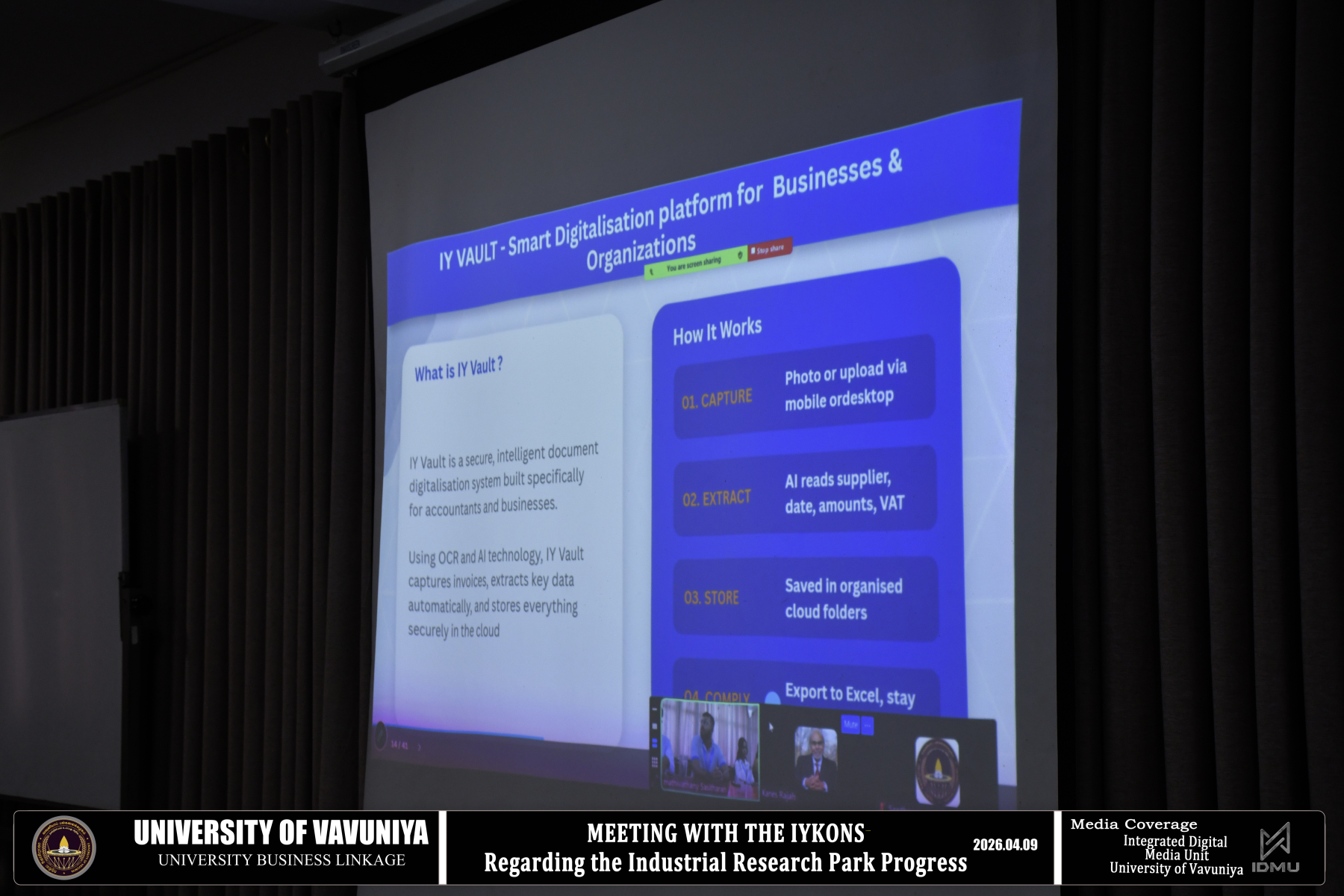
The initiative promotes digital innovation to improve efficiency and reduce operational costs. It also supports digital transformation for local businesses. Key solutions include:
- Intelligent document processing systems.
- Digital ordering platforms for local SMEs.
- Advanced project management tools.
Research and Future Development
The program promotes interdisciplinary research through at least ten projects each year. These projects address real-world challenges and strengthen academic–industry collaboration. Therefore, universities now play a stronger role as engines of innovation and economic development. Continuous training and knowledge sharing support this transformation.
Currently, a centralized digital ecosystem is under development to connect research, industry, and innovation through shared databases. Furthermore, artificial intelligence tools are integrated carefully to improve decision-making and data accuracy.
Key Research Areas for the New Tech Hub
Following the Industrial Research Park meeting, the committee highlighted several important research areas. These include:
- Smart agriculture and automated farming.
- Water management and climate analysis.
- Urban heat mapping and GIS-based environmental analysis.
- Sustainable resource optimization.
Ultimately, these efforts aim to improve productivity, enhance efficiency, and support sustainable regional development.