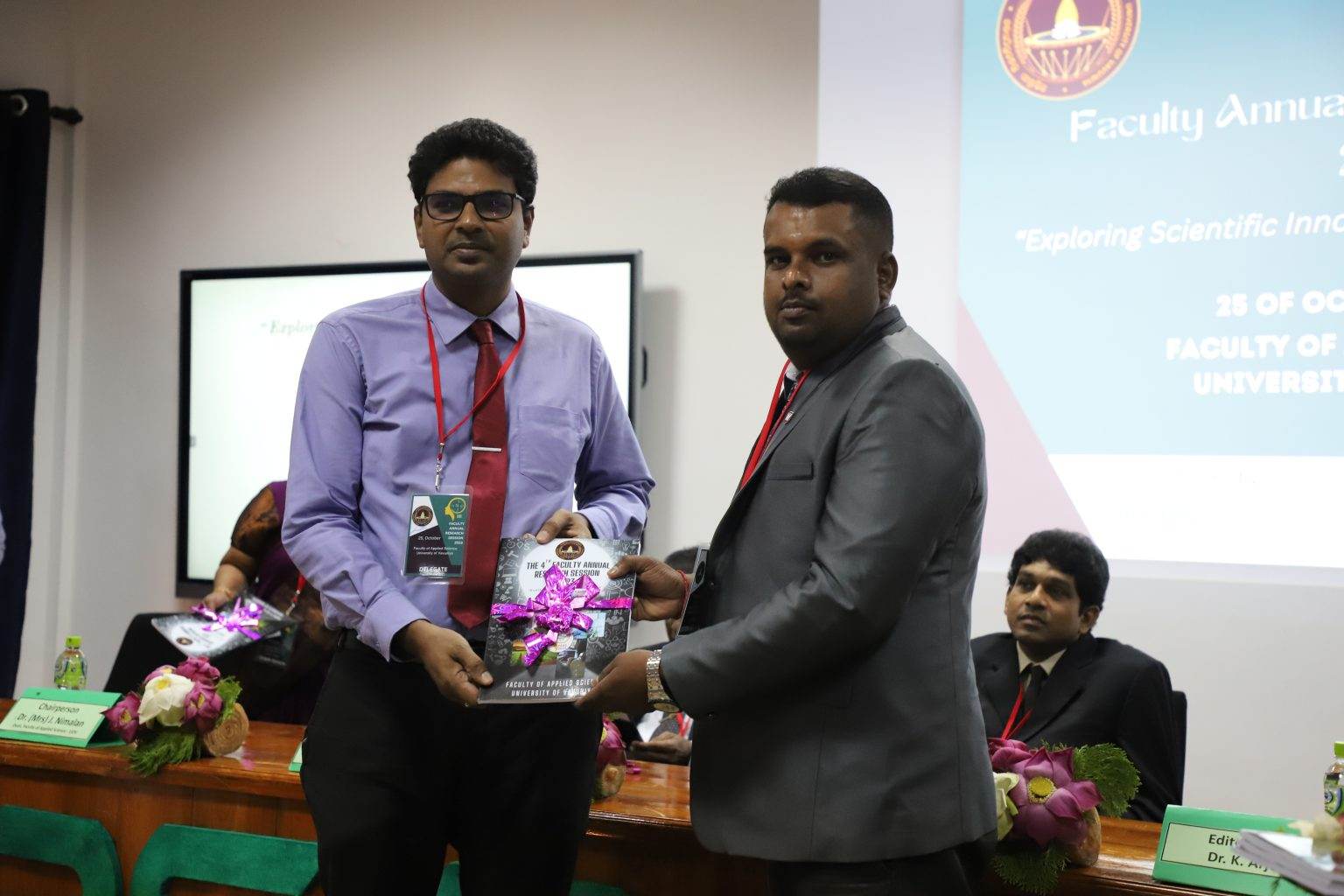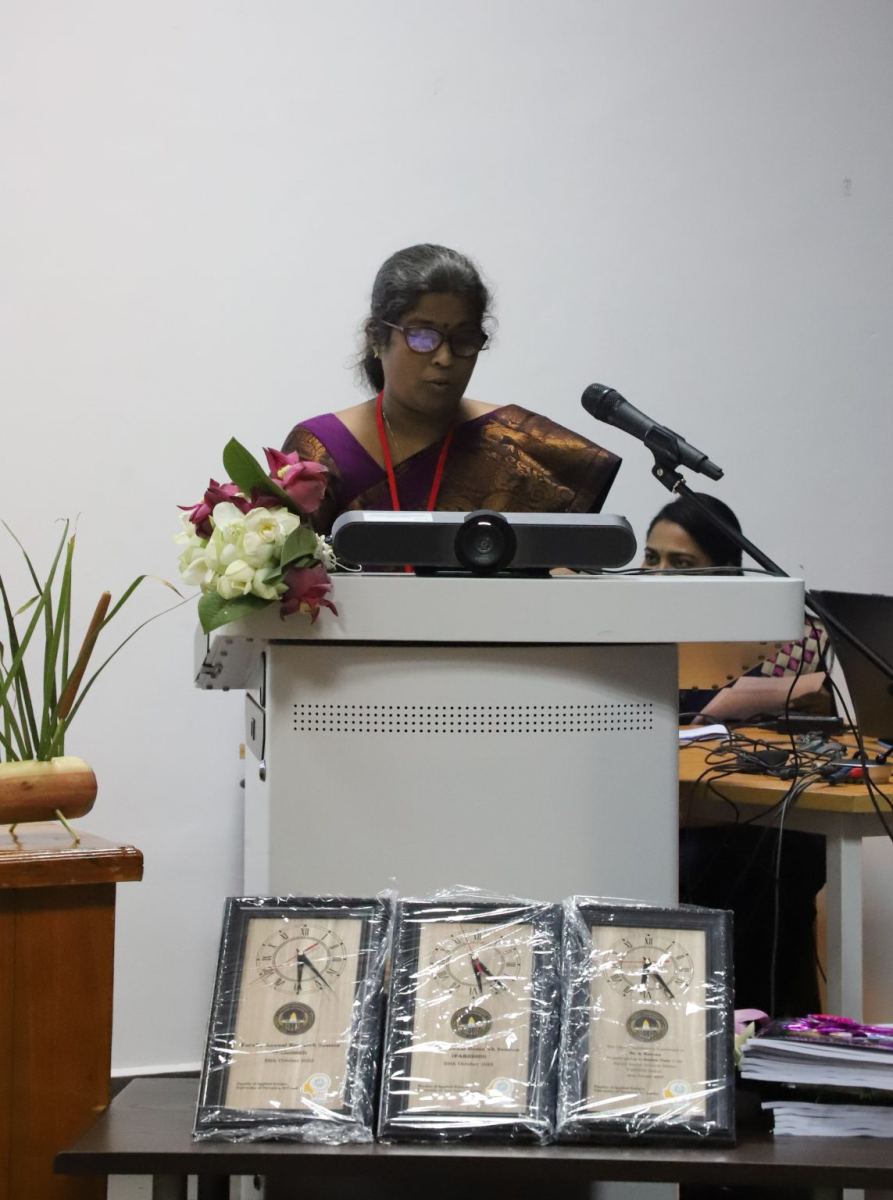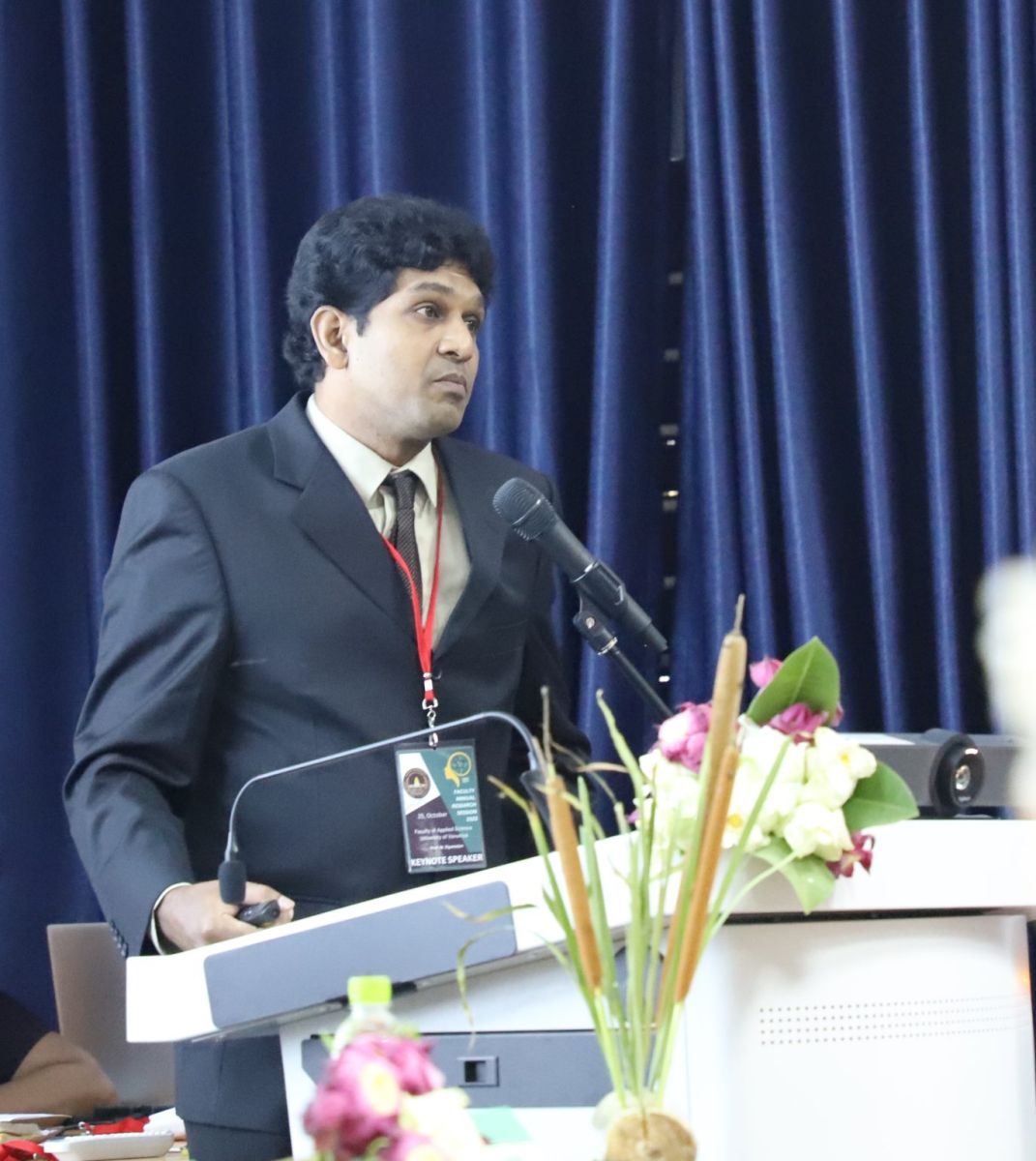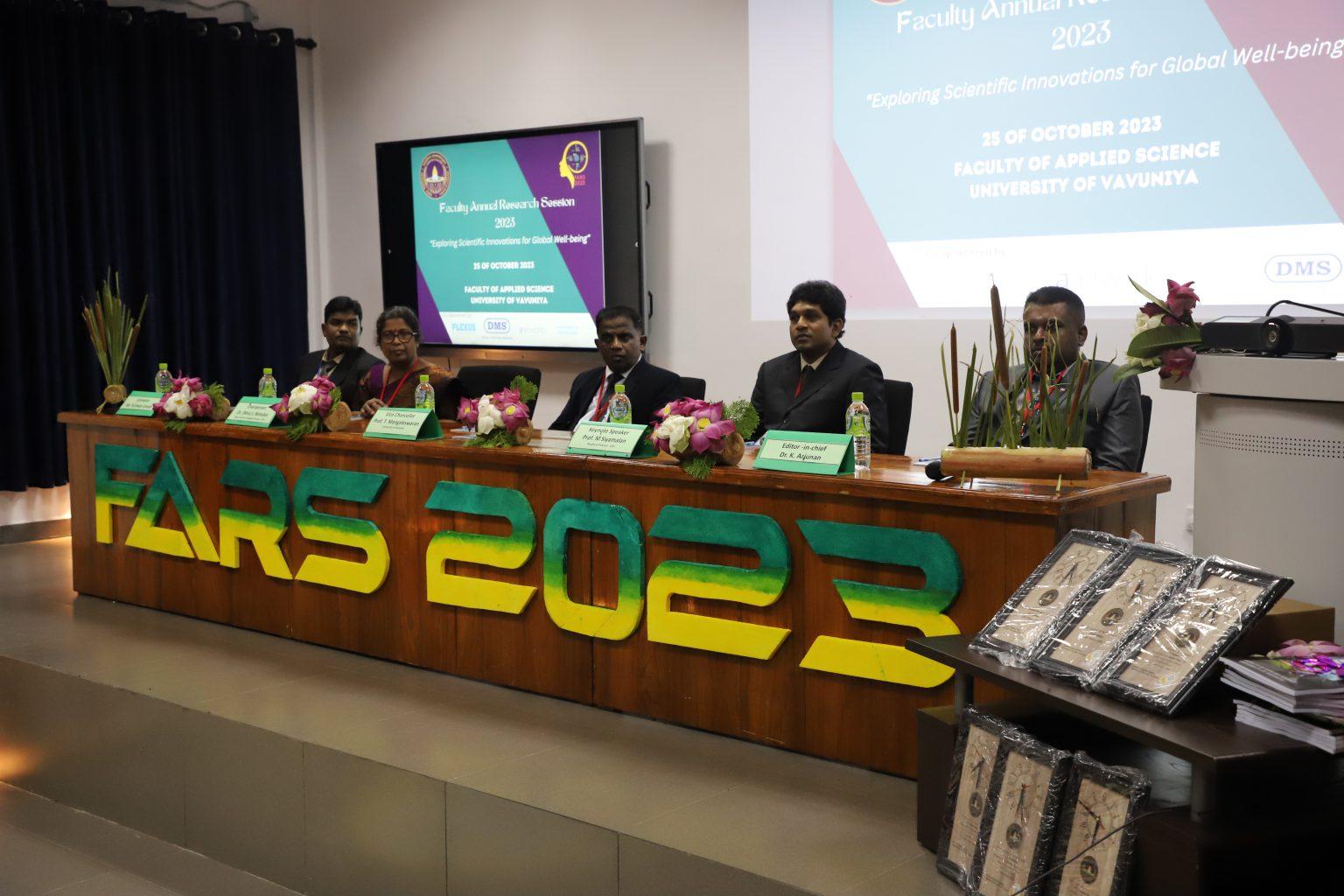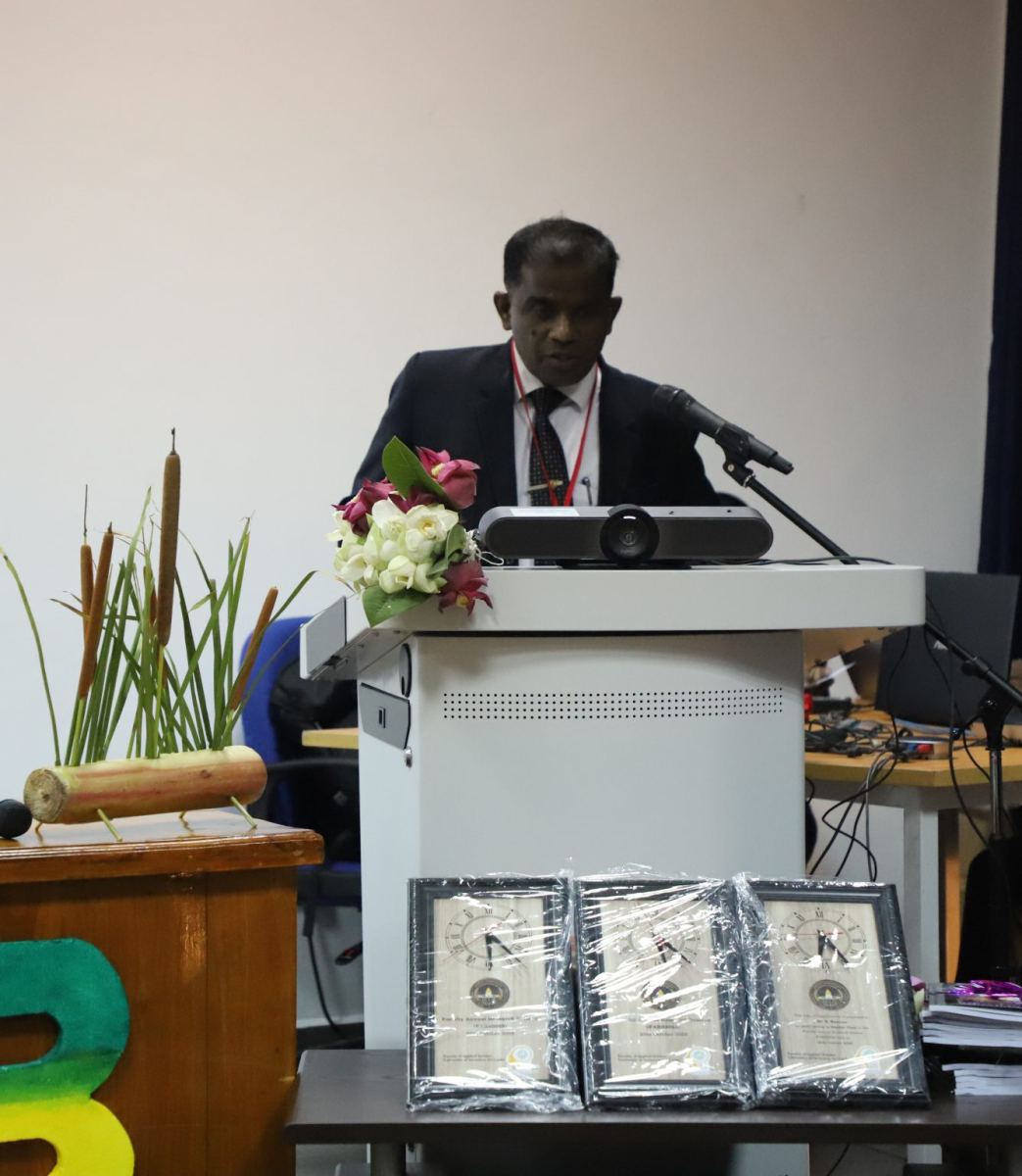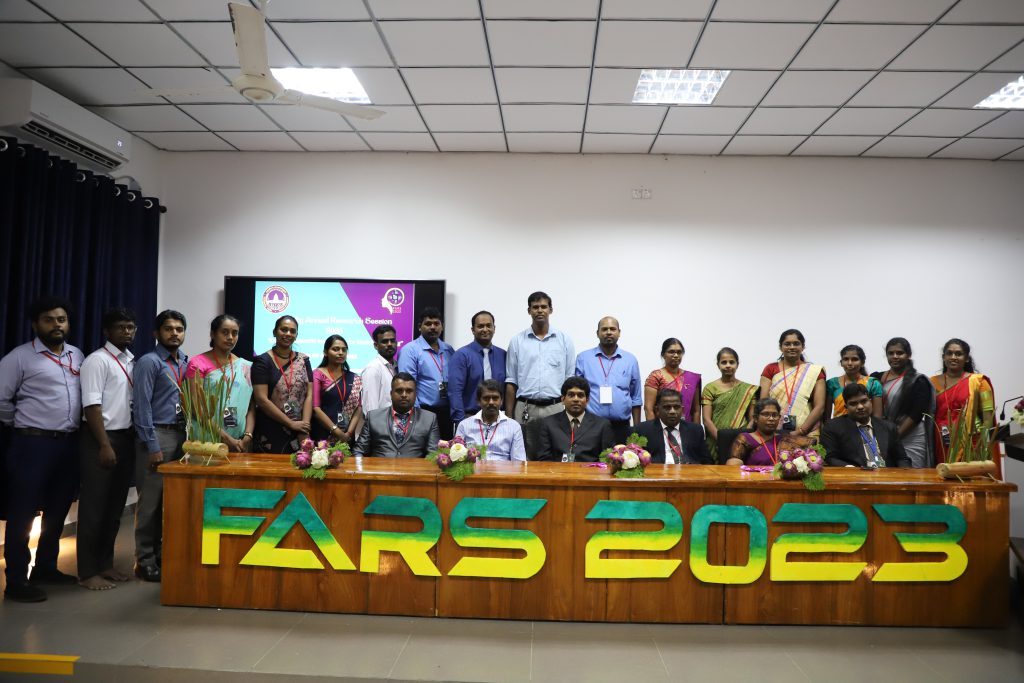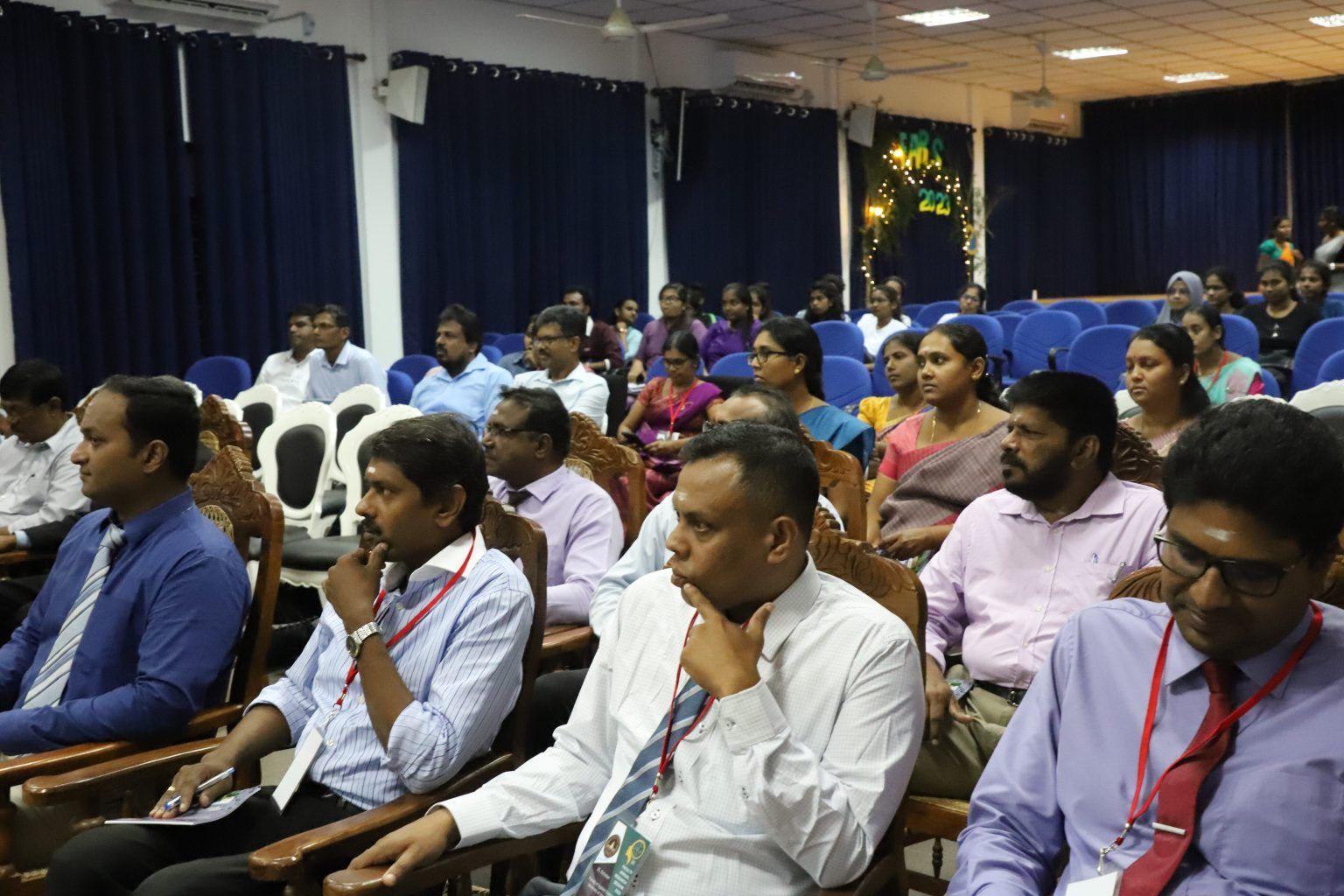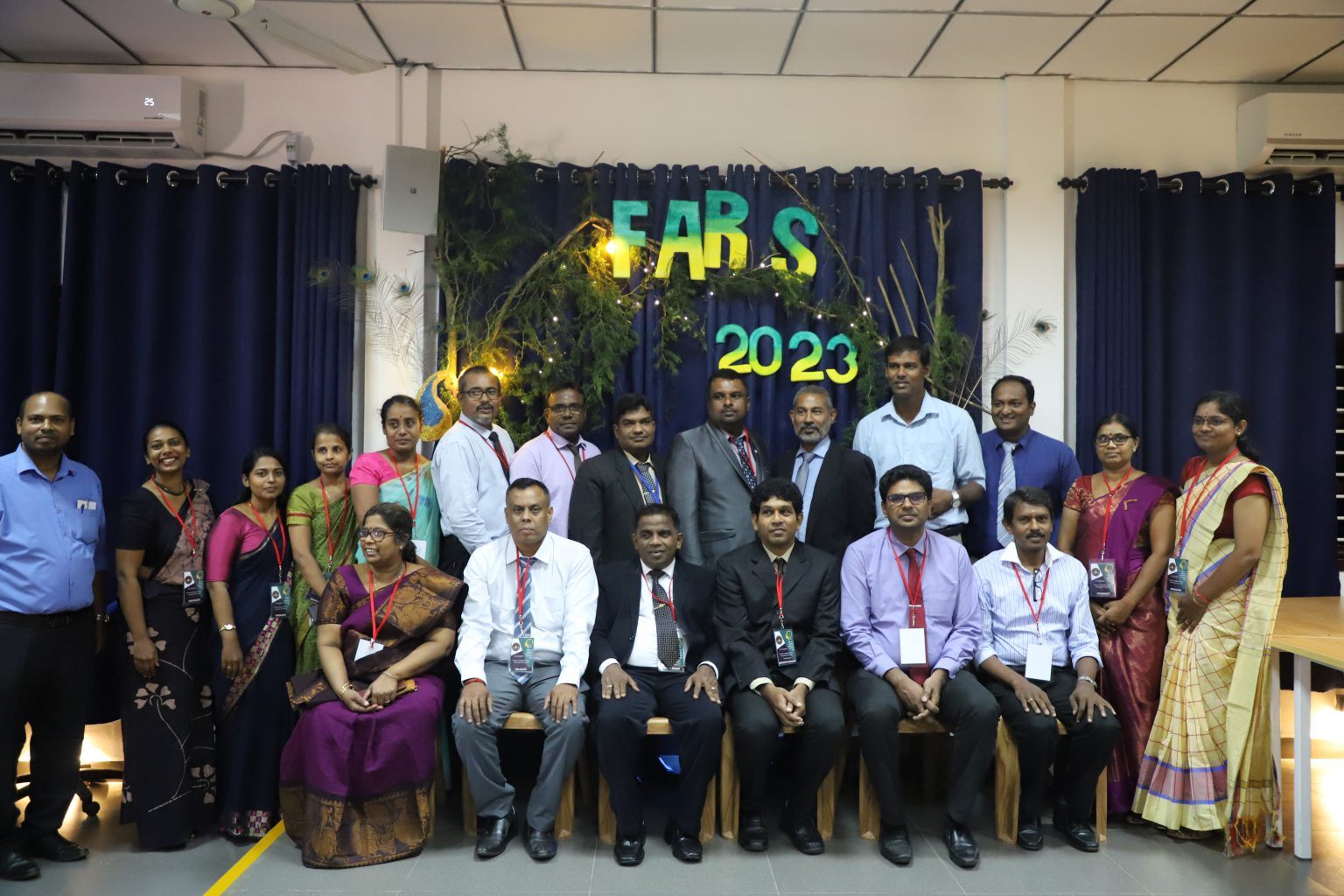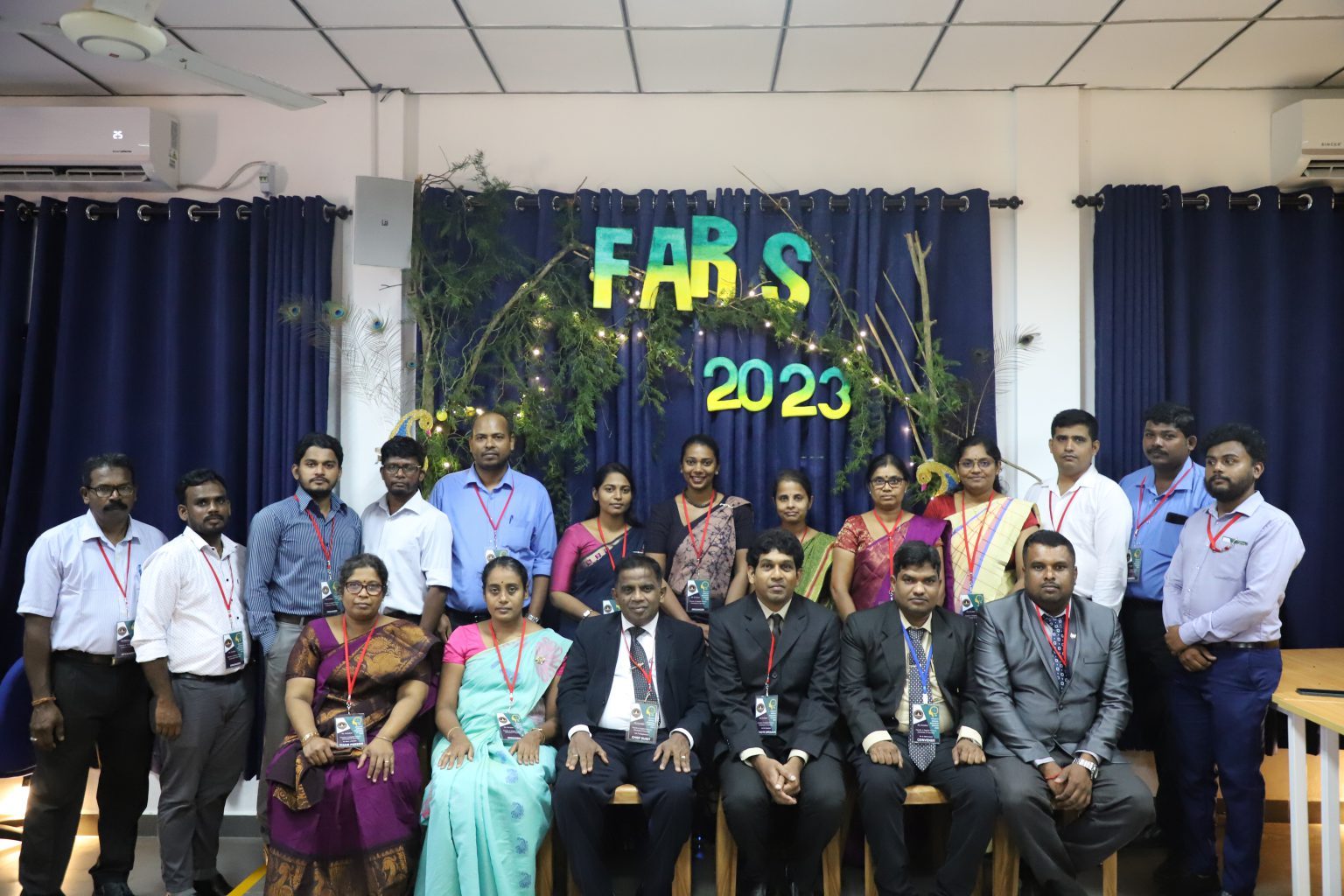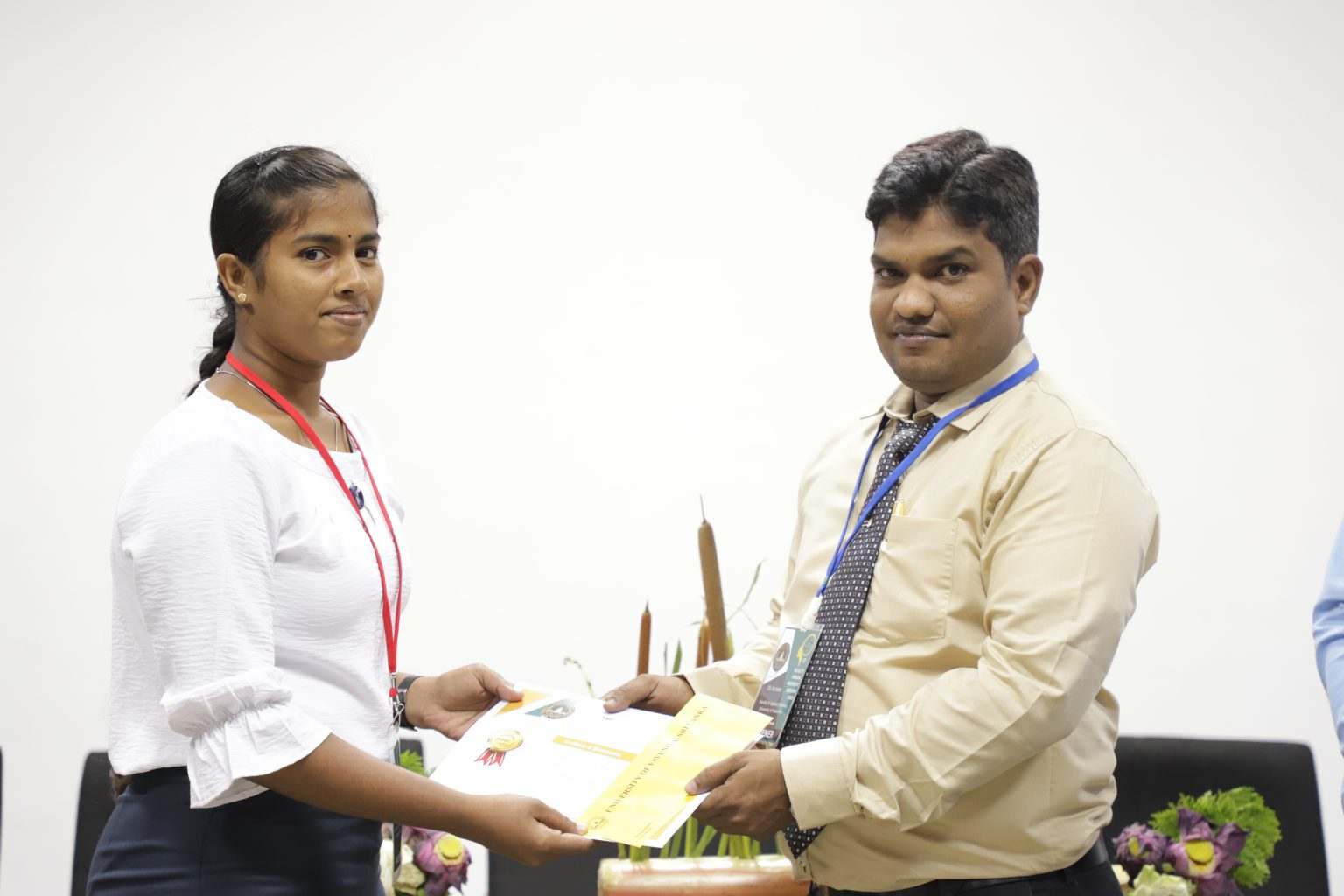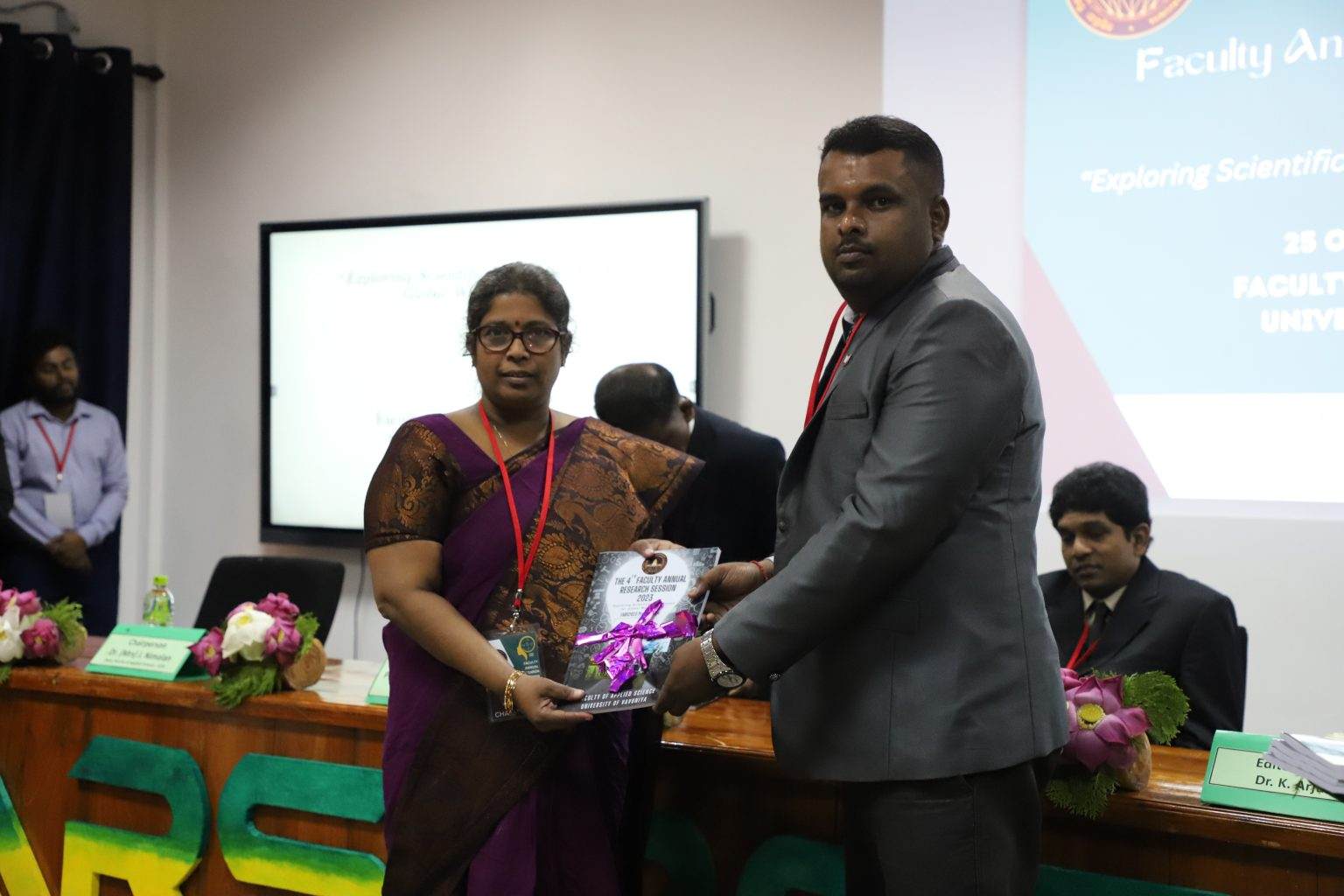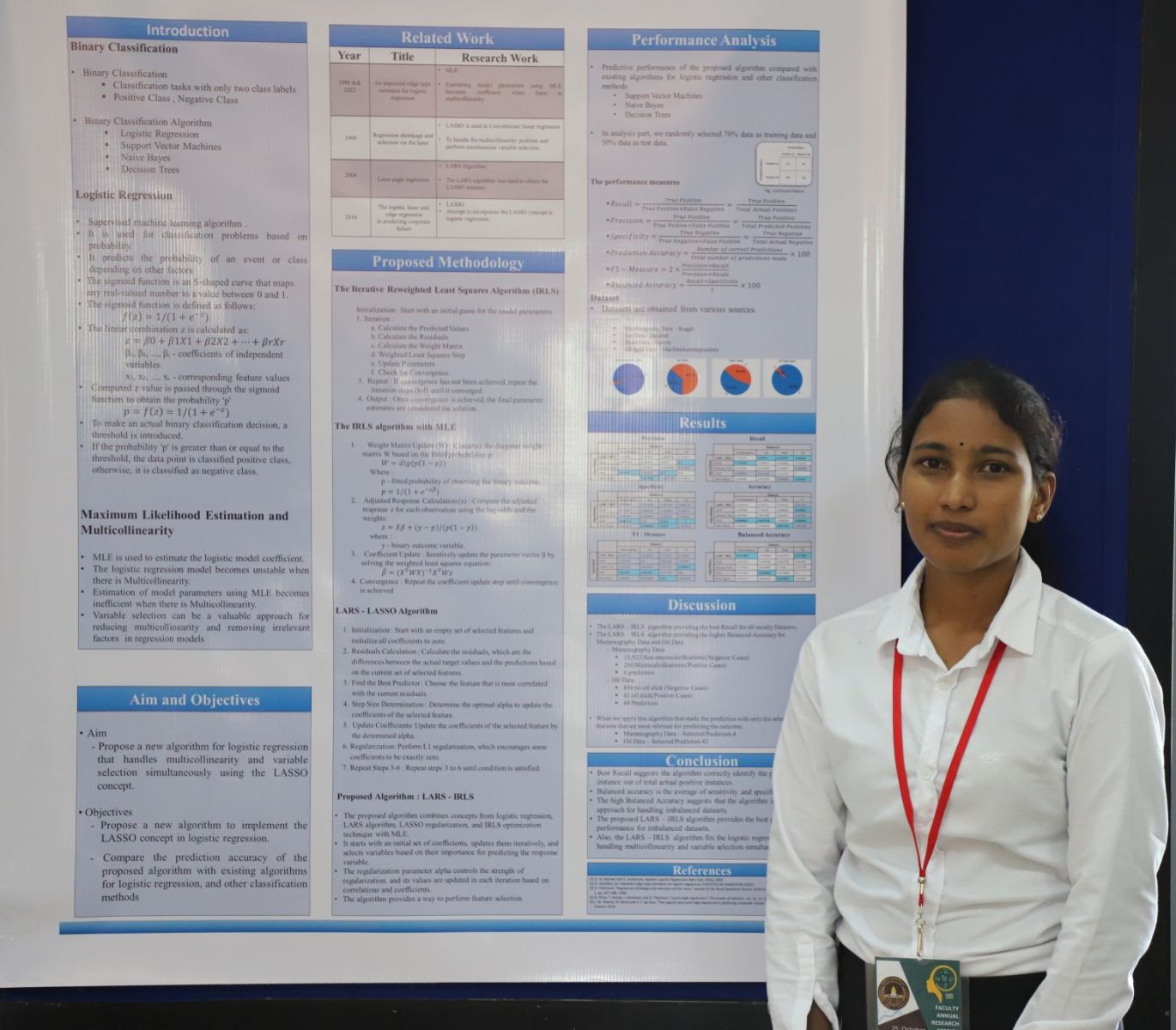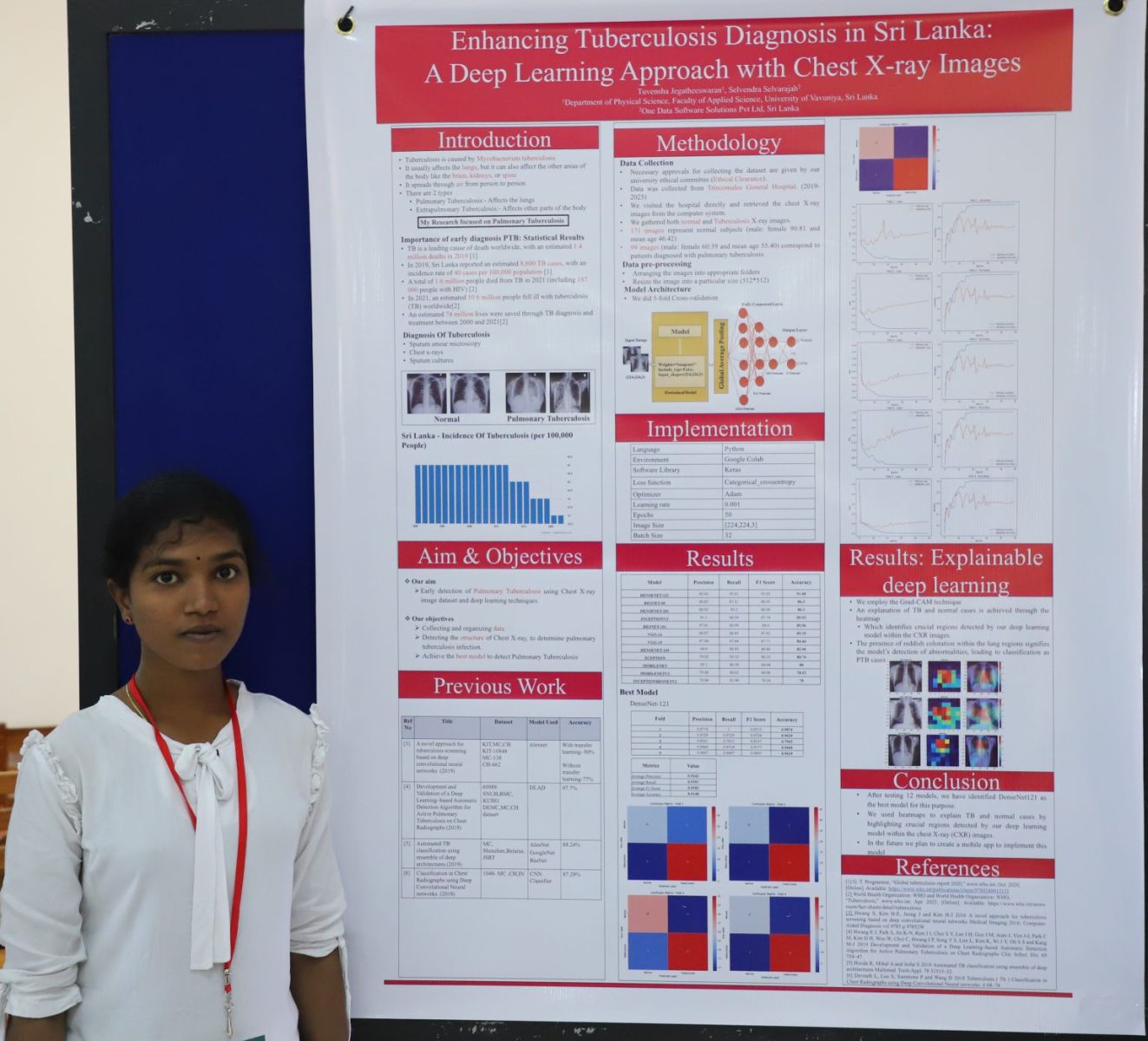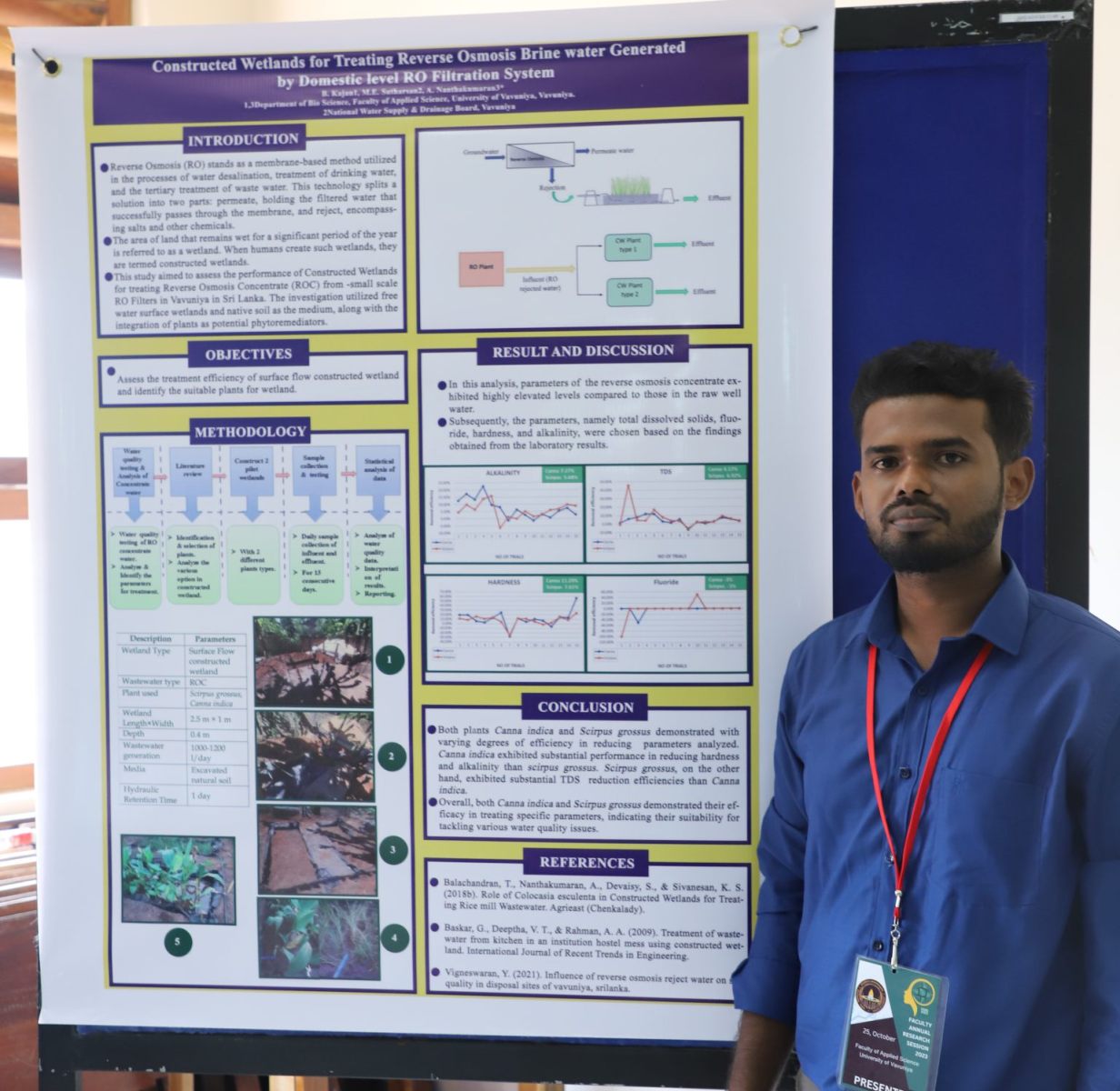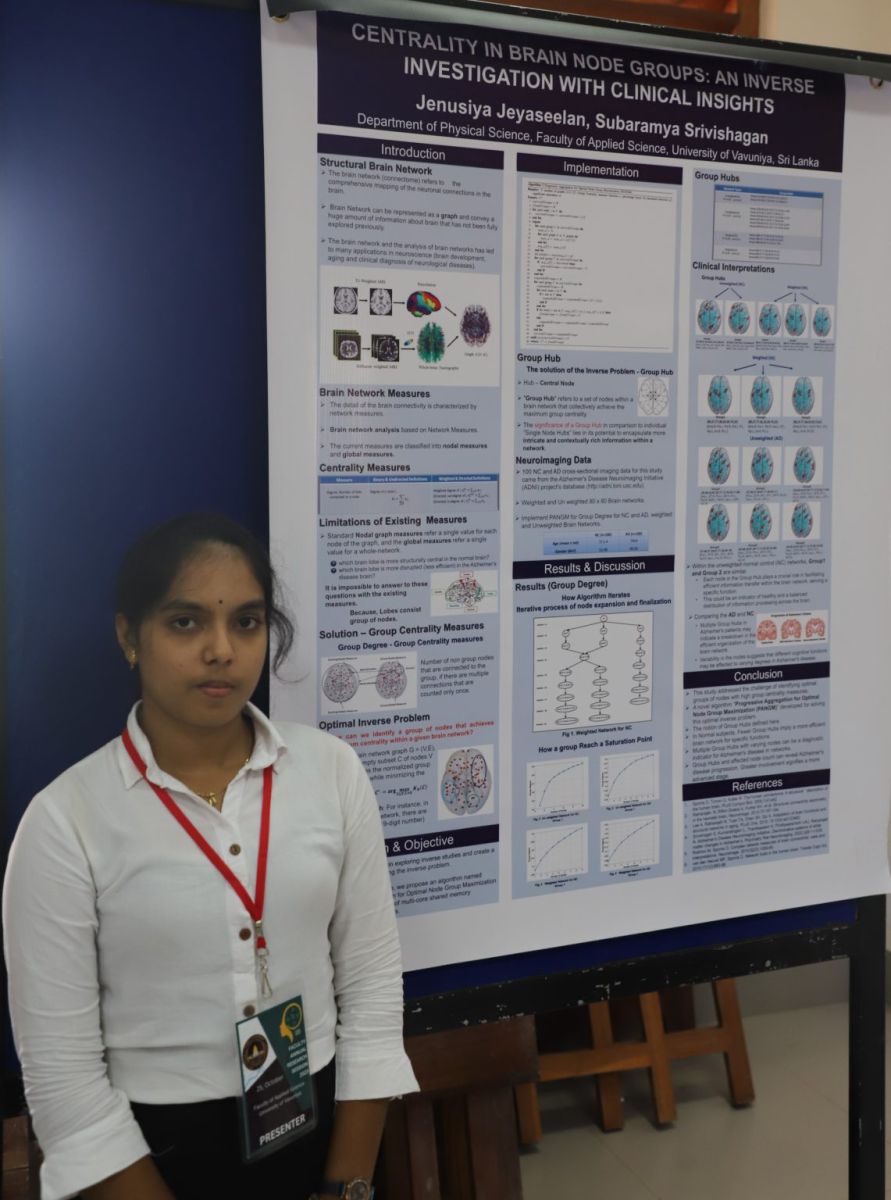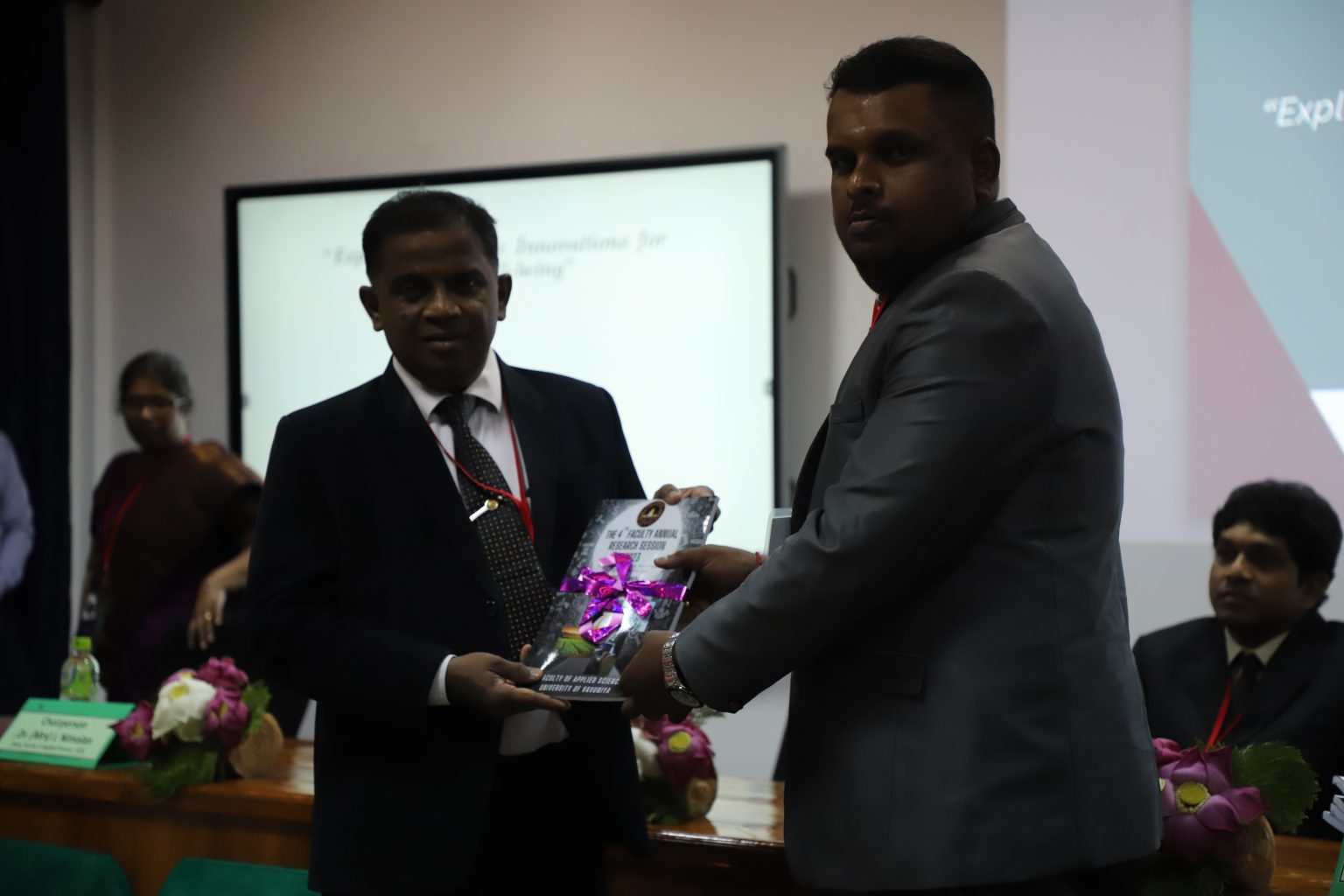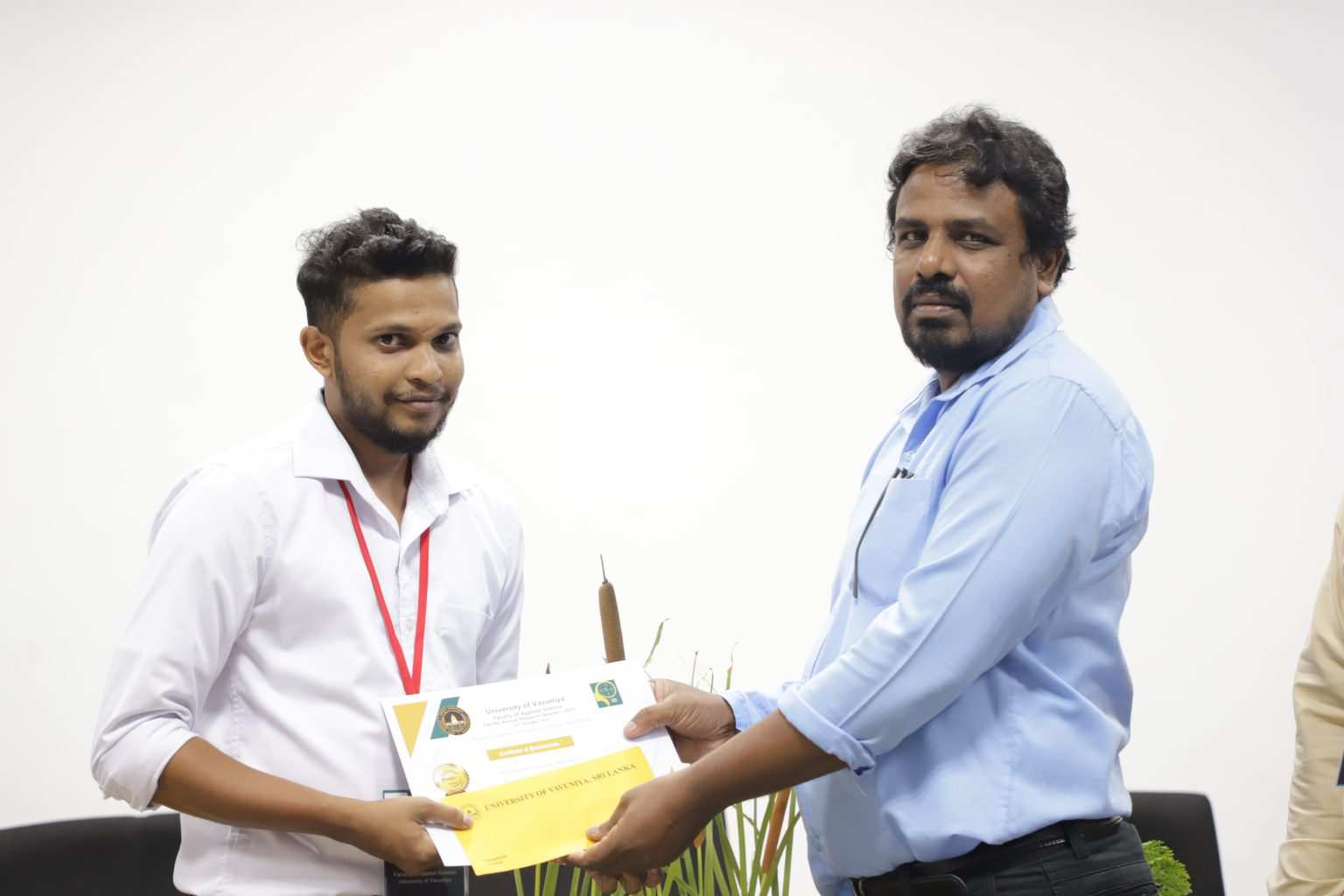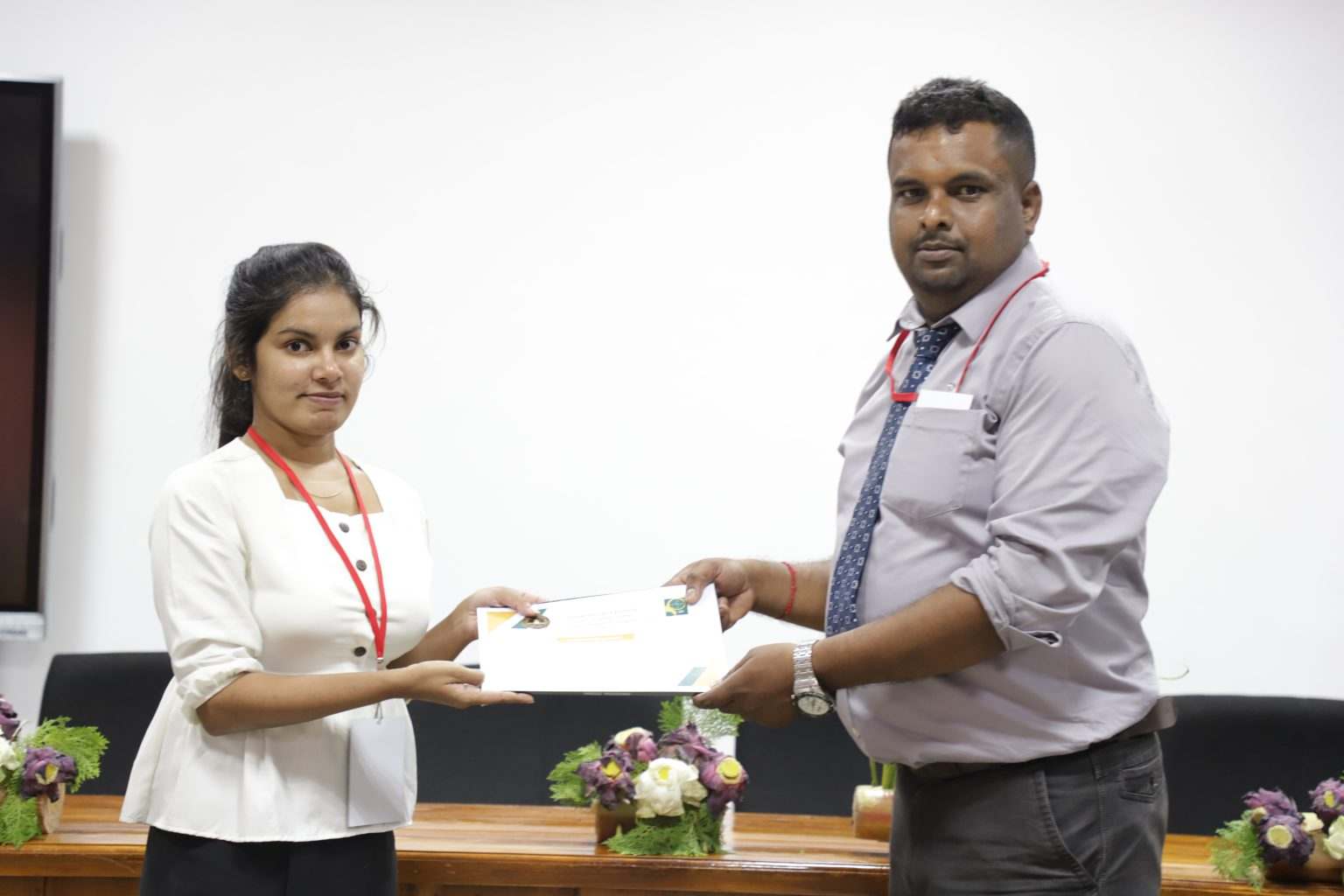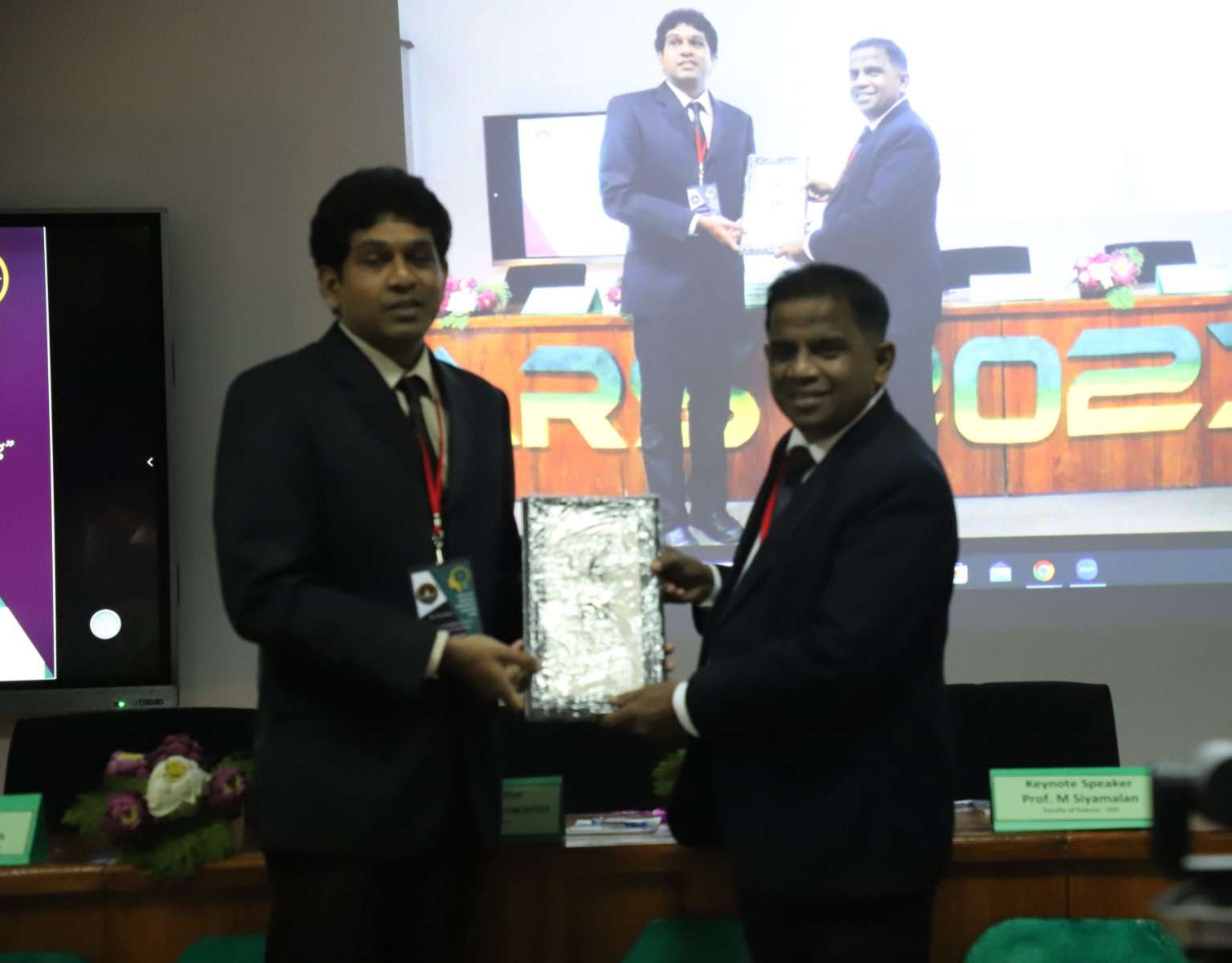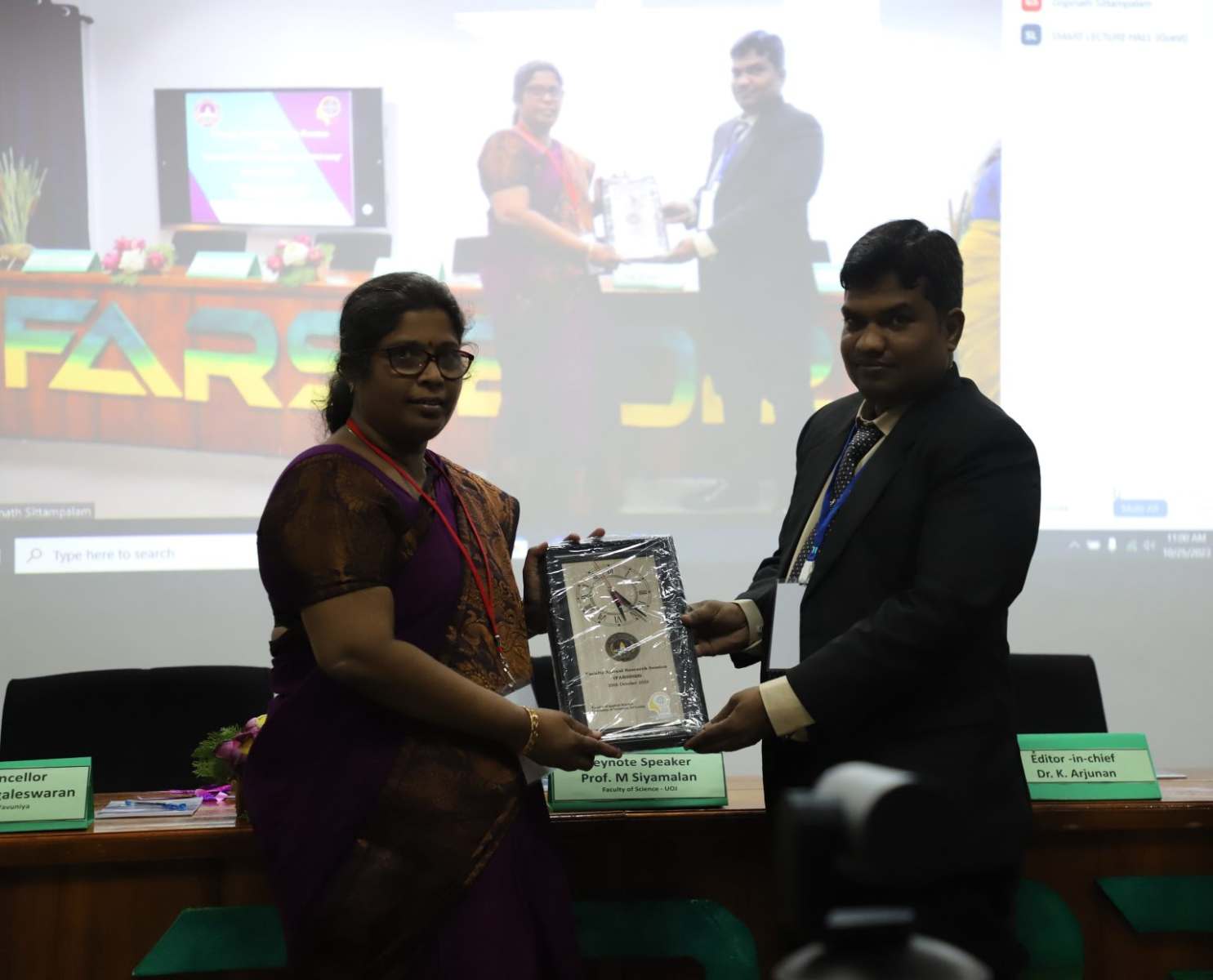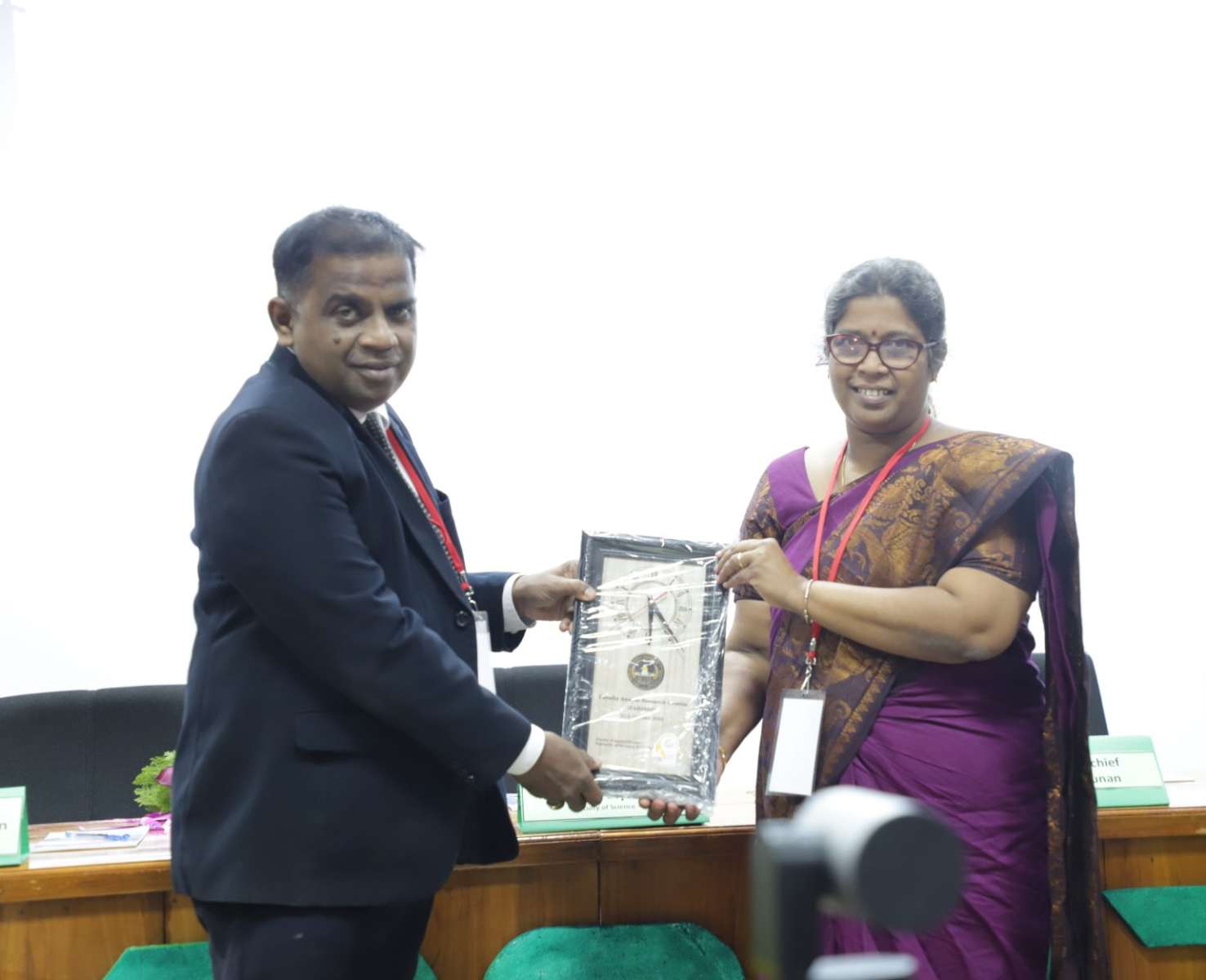

The FARS 2023 University of Vavuniya was the fourth edition of the Faculty Annual Research Session. It was organized by the Faculty of Applied Science, University of Vavuniya, Sri Lanka. The event was held on October 25, 2023. Furthermore, it was themed “Exploring Science Innovations for Global Well-being”.
About FARS 2023
FARS 2023 invited extended abstract submissions across five research tracks. Both academics and research scholars were welcome to contribute. In addition, postgraduate and undergraduate students were also encouraged to participate. Moreover, this session was integrated with the Annual Student Research Congress (ASRC 2023). As a result, undergraduates from universities across Sri Lanka could present their research through abstracts and posters.
Keynote Speakers
Two distinguished keynote speakers graced the event:
- Prof. Raman Sukumar – Professor, Centre for Ecological Sciences, Indian Institute of Science, Bangalore, India
- Prof. M. Siyamalan – Professor, Department of Computer Science, Faculty of Science, University of Jaffna
Sessions and Format
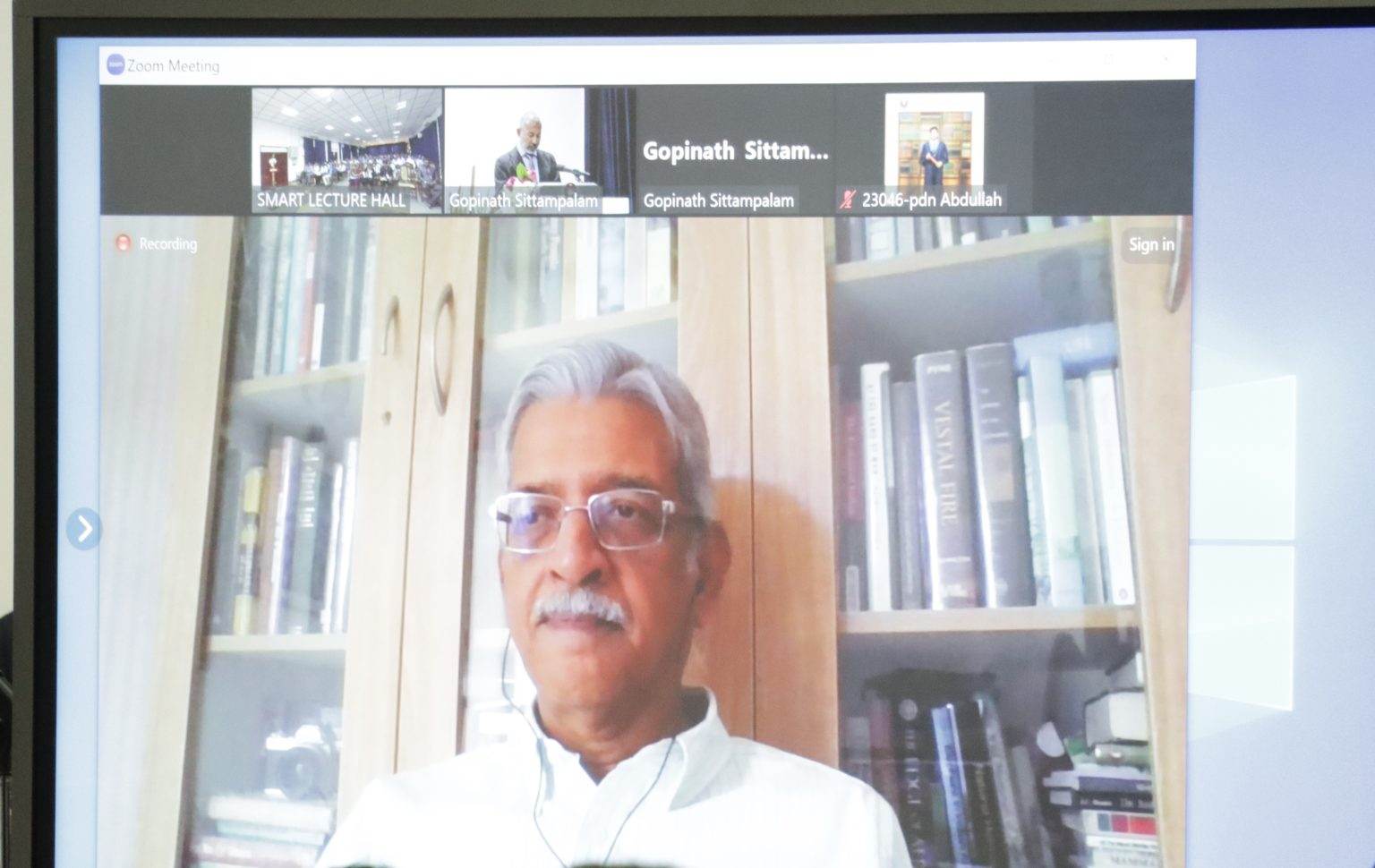
FARS 2023 featured two technical sessions. These were conducted via Zoom. Additionally, one physical poster session was also held. Dr. T. Ketheesan and Dr. K. Kannan chaired Technical Session 1. Similarly, Dr. Dushan Kumarathunge and Dr. G. Abhiram chaired Technical Session 2.FARS 2023 featured two technical sessions conducted via Zoom and one physical poster session. The technical sessions were chaired by Dr. T. Ketheesan and Dr. K. Kannan (Technical Session 1), and Dr. Dushan Kumarathunge and Dr. G. Abhiram (Technical Session 2).
Chief Guest and Dignitaries
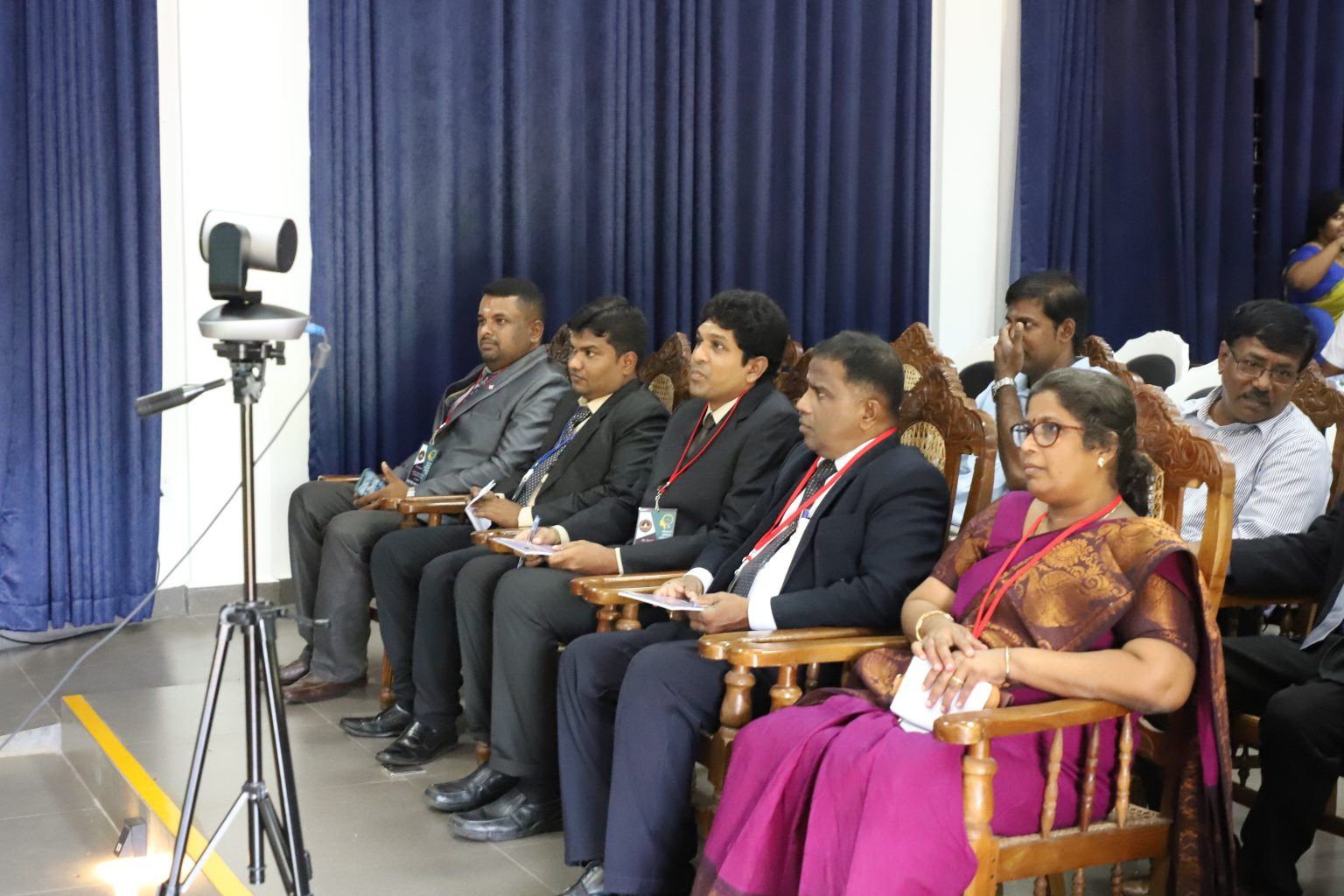
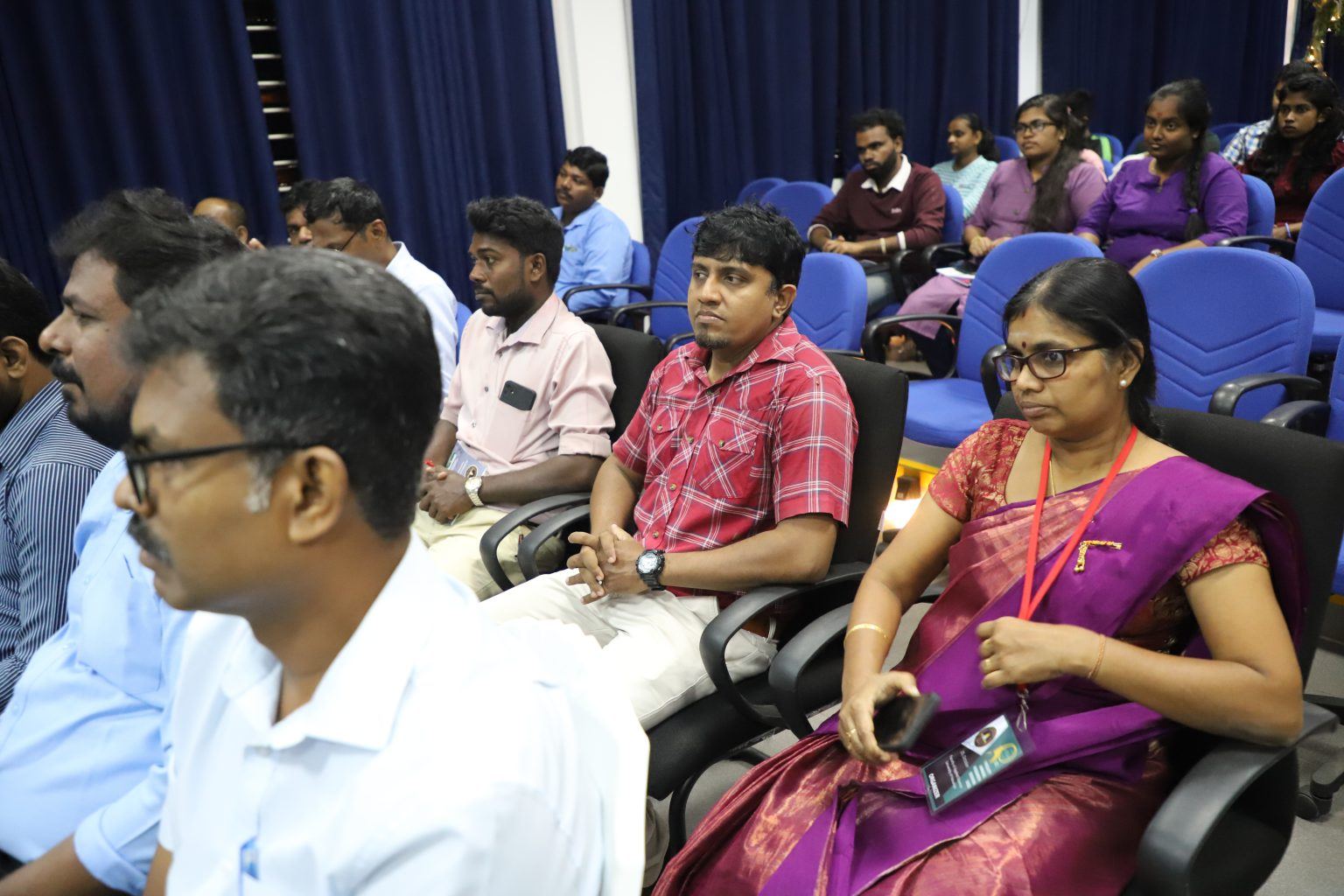
Prof. T. Mangaleswaran, Vice Chancellor of the University of Vavuniya, participated as Chief Guest. Furthermore, Deans, the Registrar, and the Bursar were also present. Heads of Departments, Directors, and senior academics attended as well. Finally, final-year students of the Faculty of Applied Science took part in this event.
Overall, the FARS 2023 University of Vavuniya successfully provided a platform for scientific exchange. Therefore, it reinforced the university’s commitment to advancing research for global well-being.