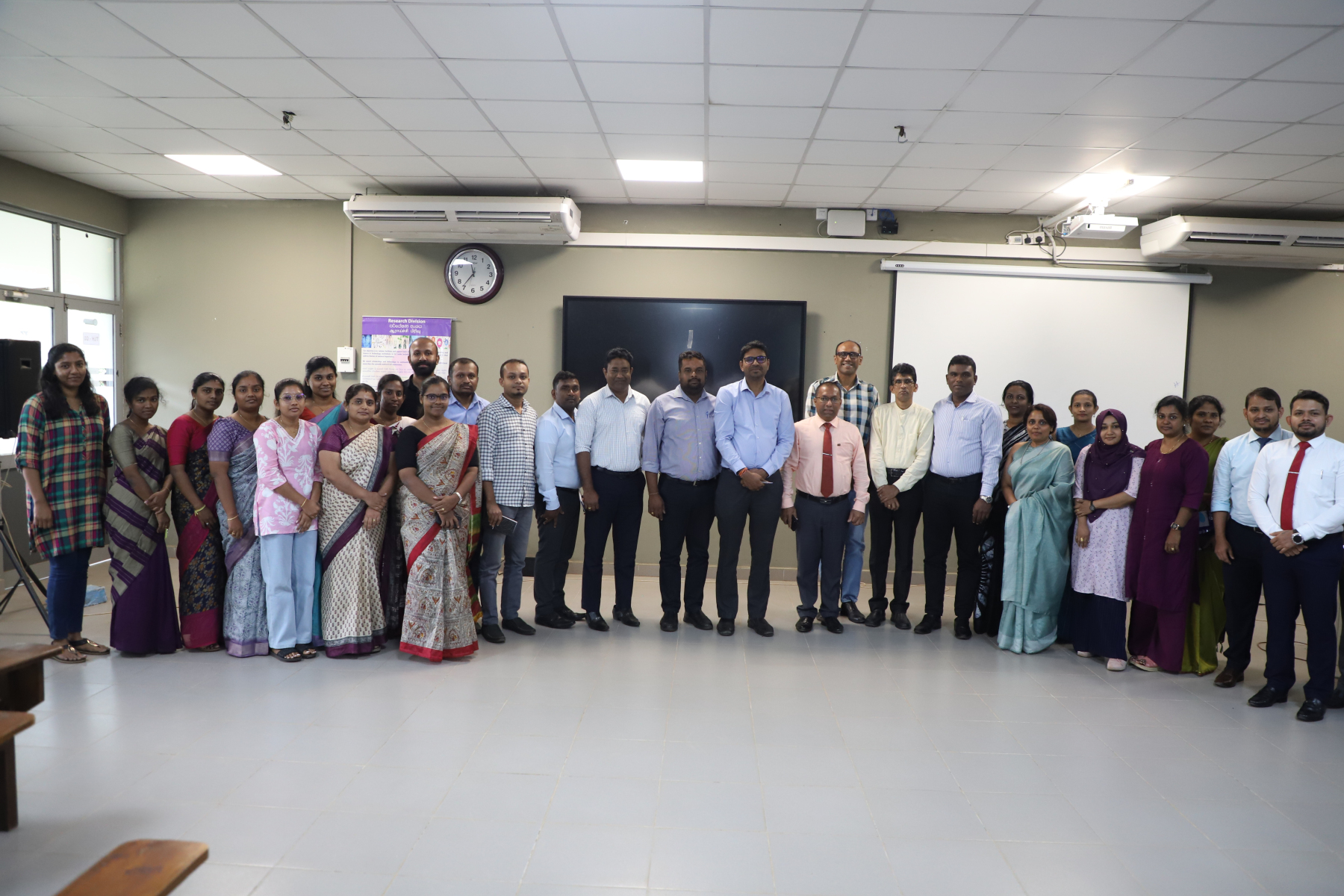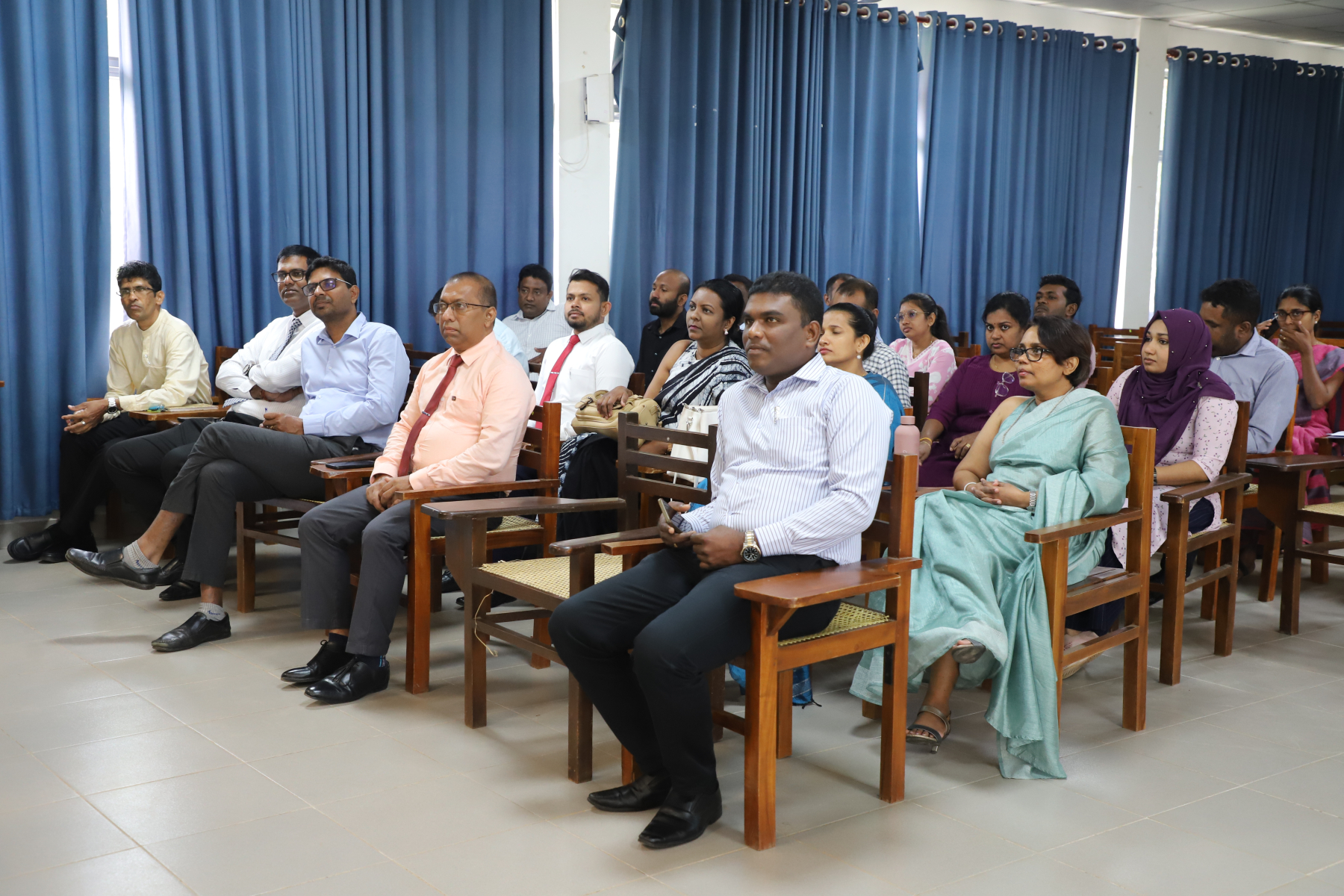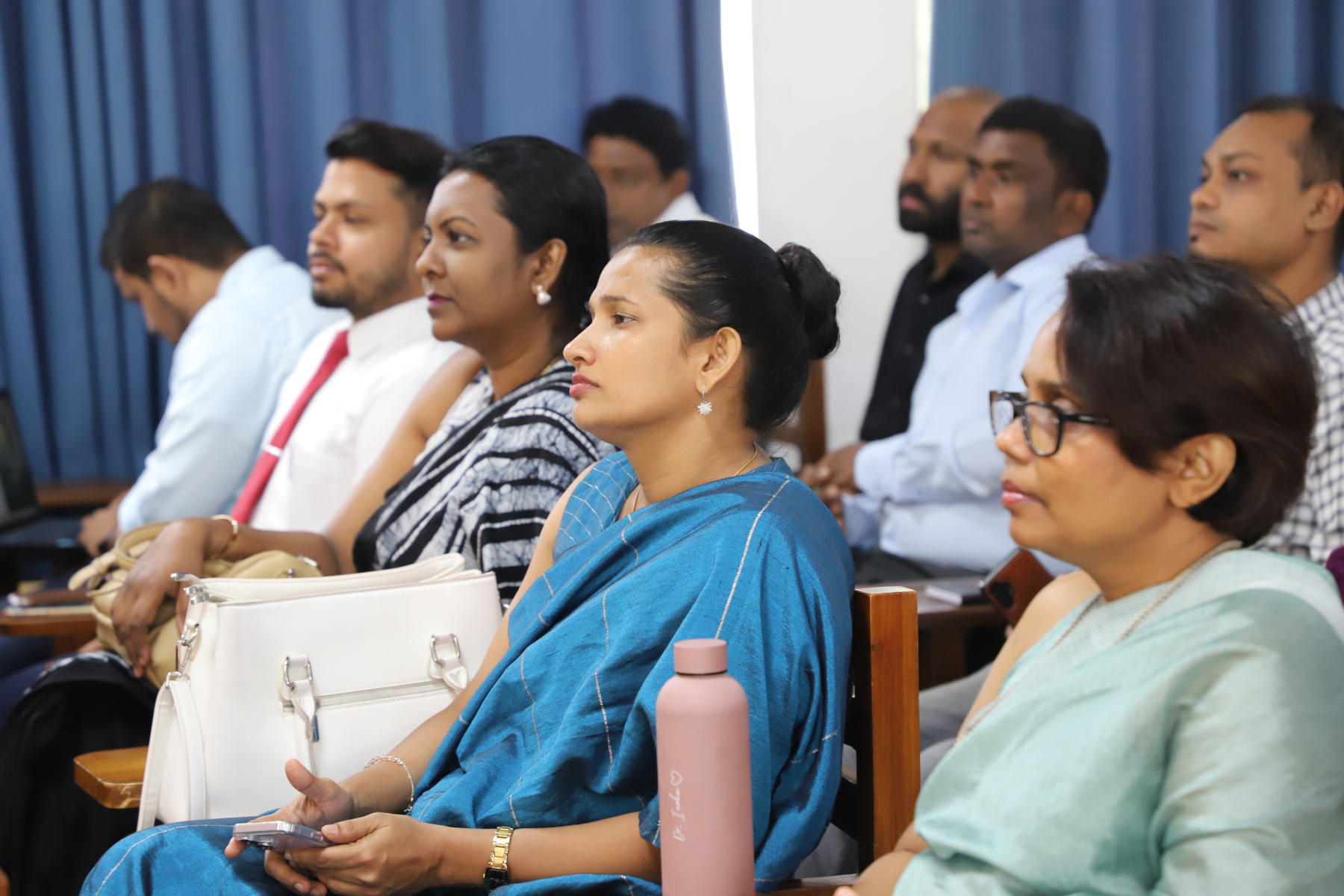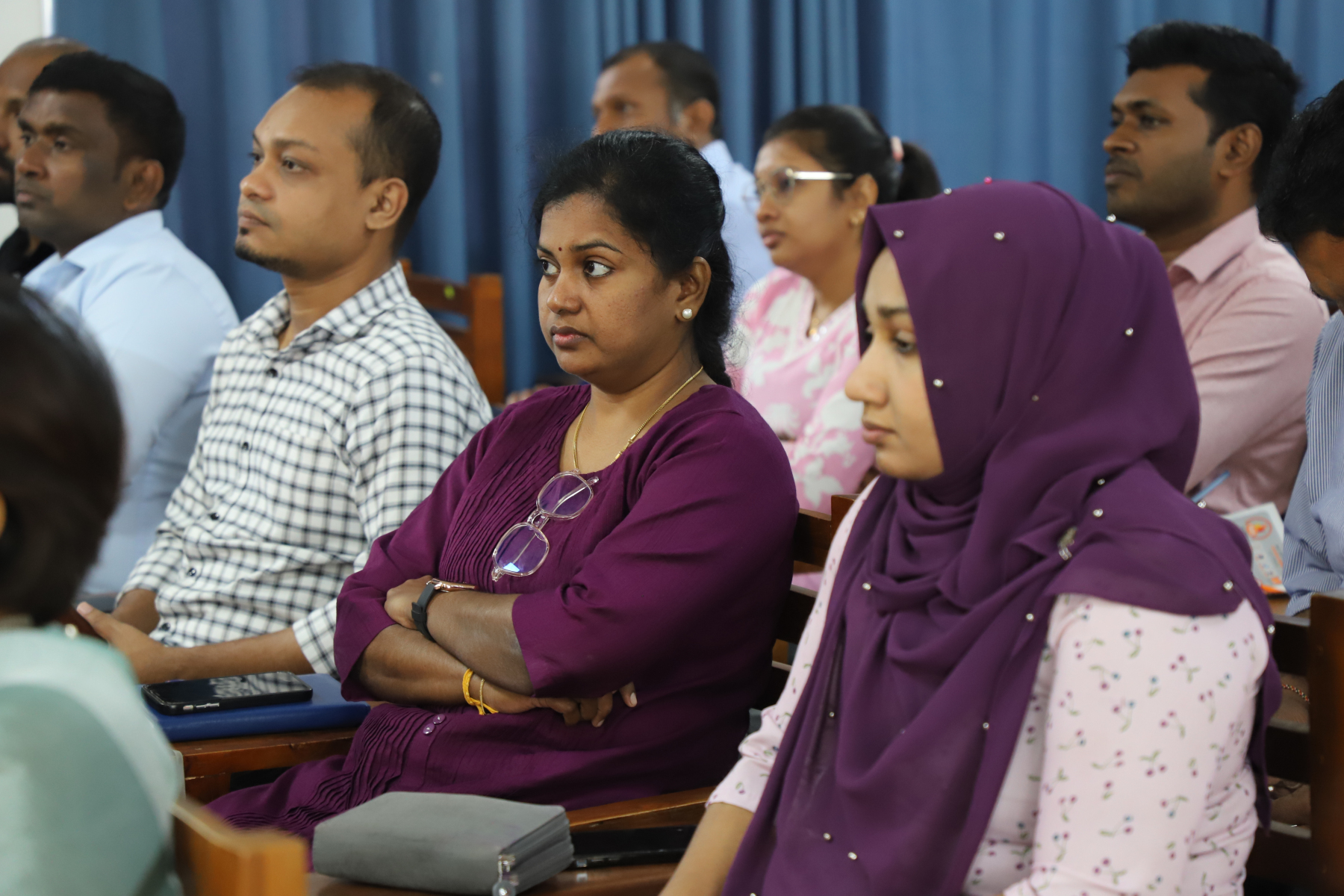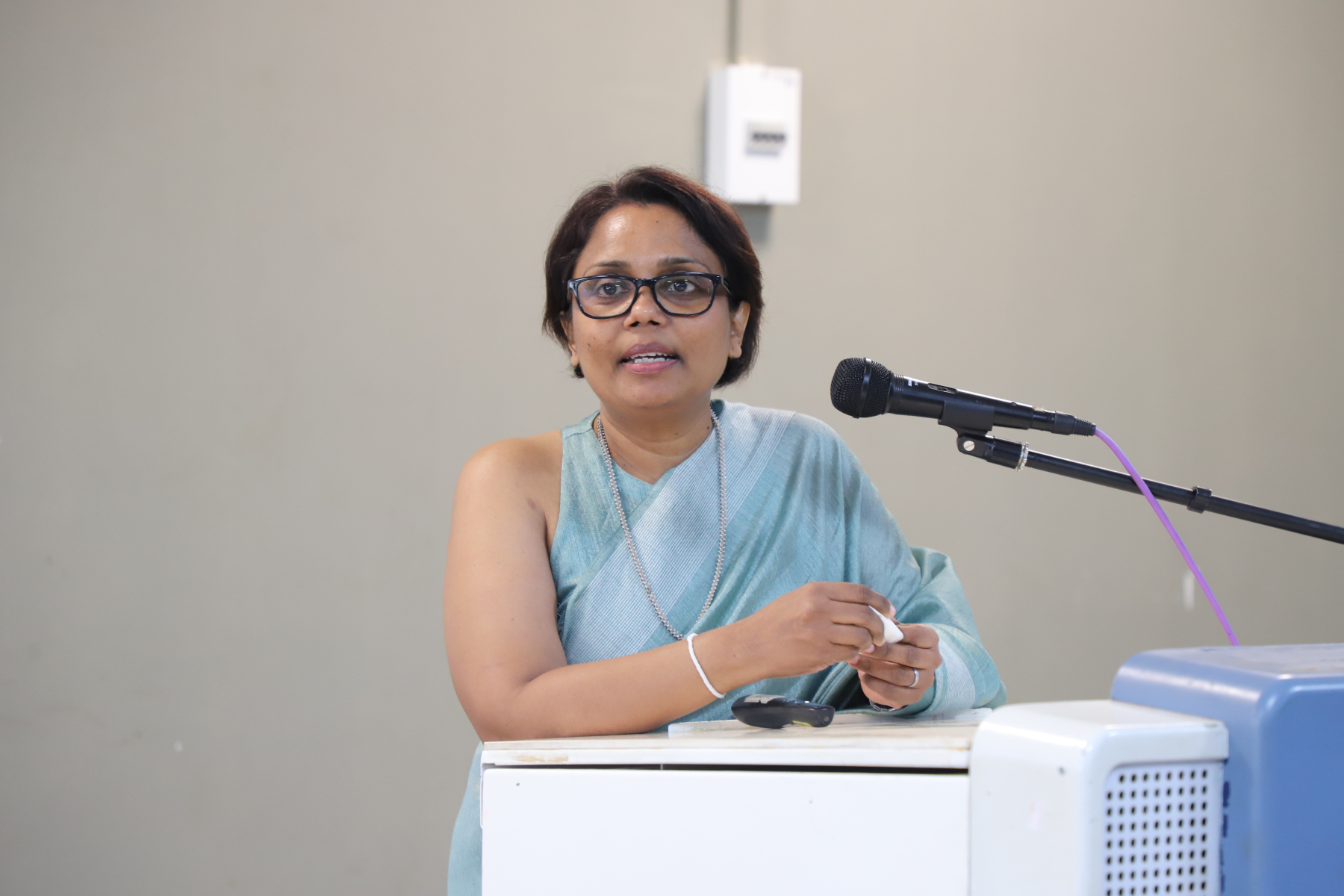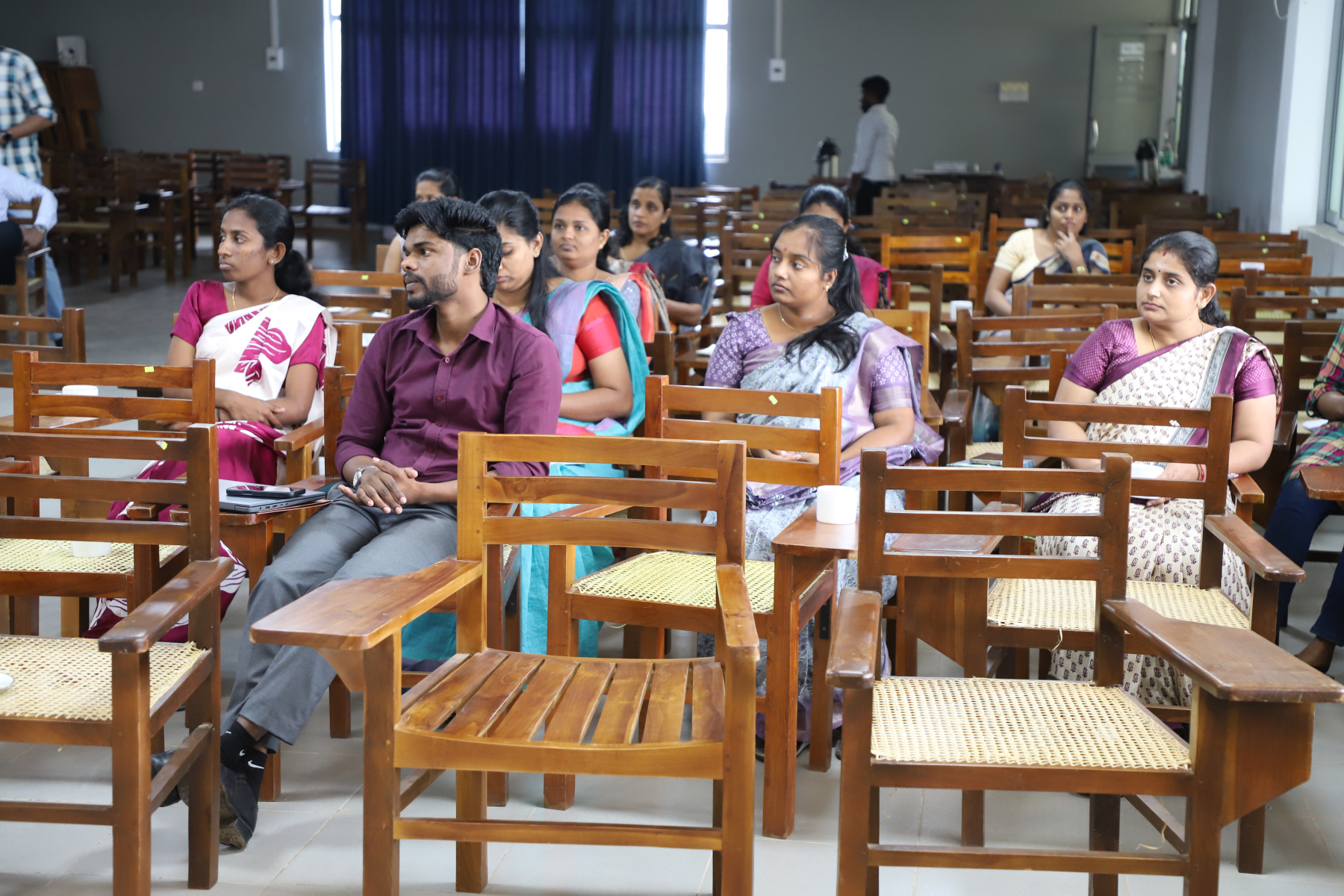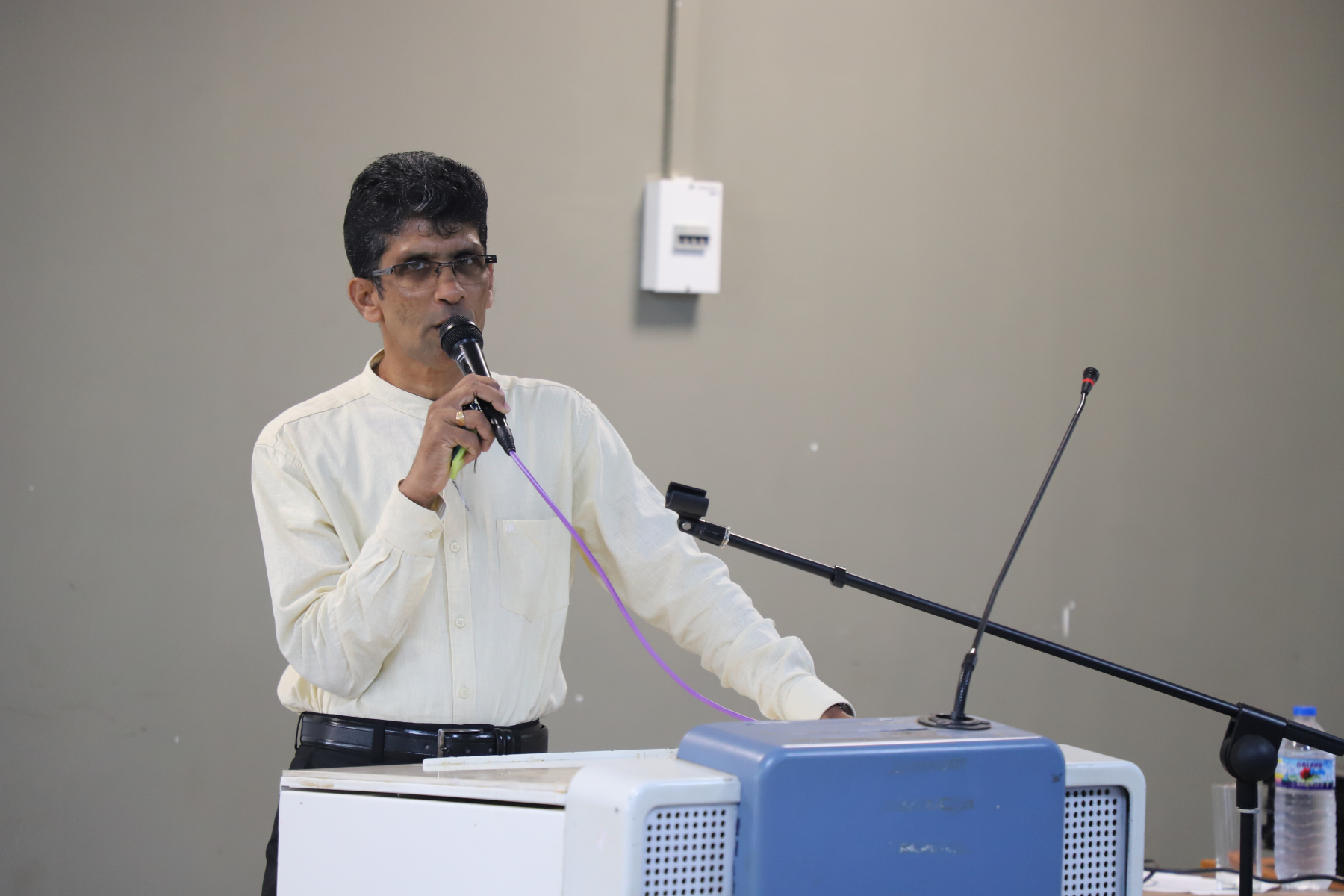

The Staff Development Centre of the University of Vavuniya recently hosted a critical academic event. In collaboration with the University Research Committee, the department organized a specialized research grant opportunities session on 17th February 2026.
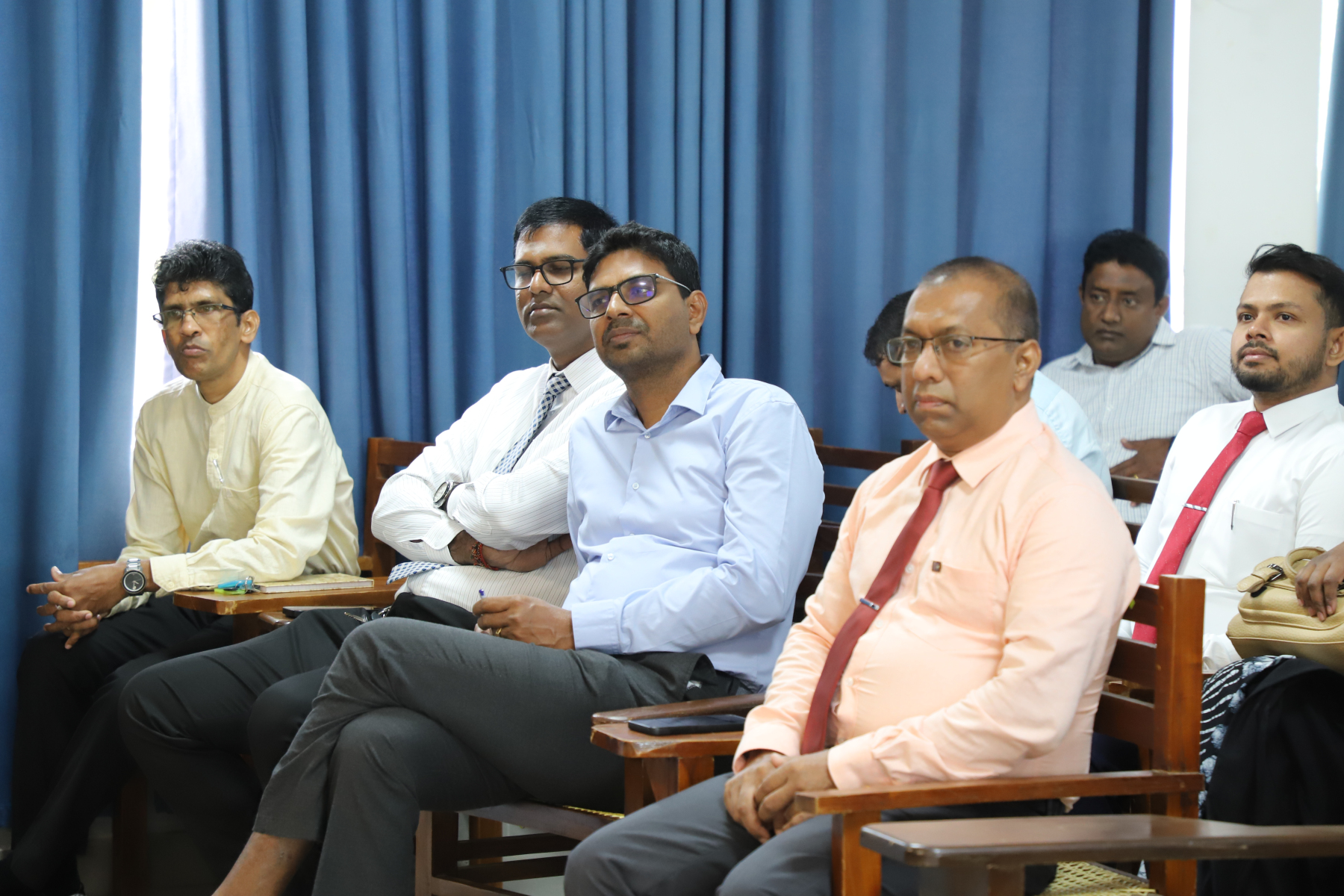
The program took place from 9:30 a.m. to 12:30 p.m. at the TLH 1 Lecture Hall, located within the Faculty of Technological Studies. This comprehensive seminar targeted both academic faculty and administrative staff members.
Expert Resource Persons Outline NSF Schemes
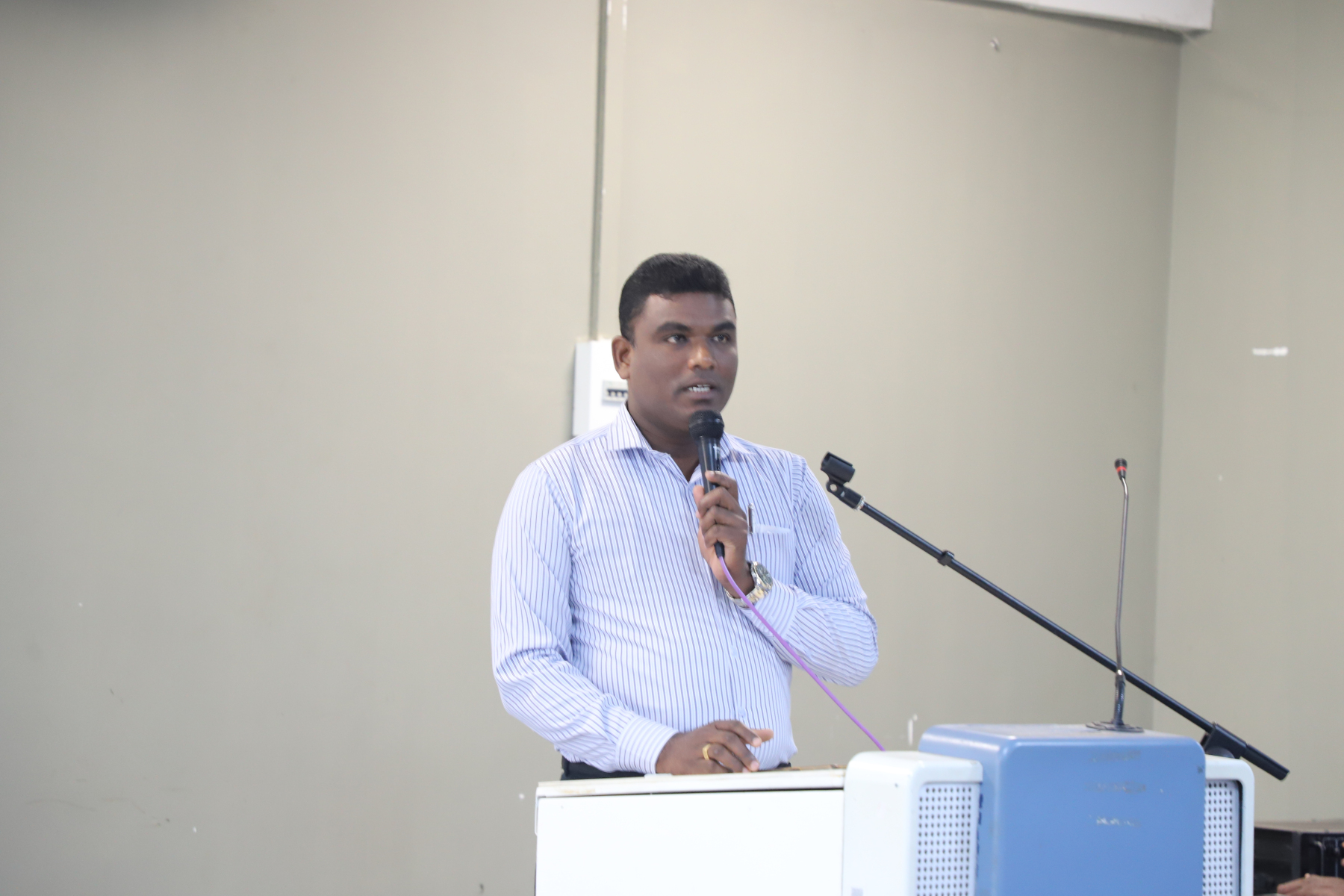
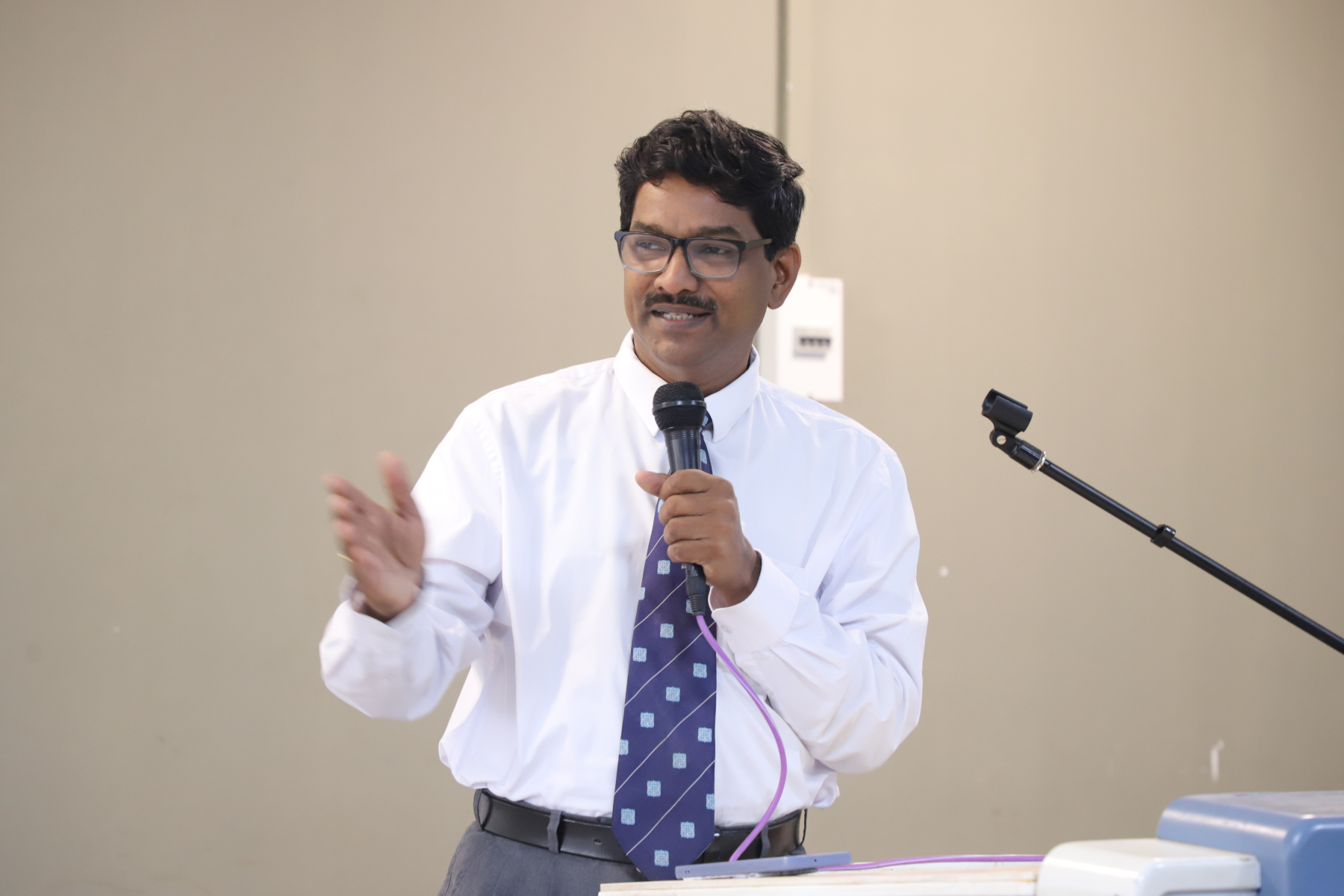
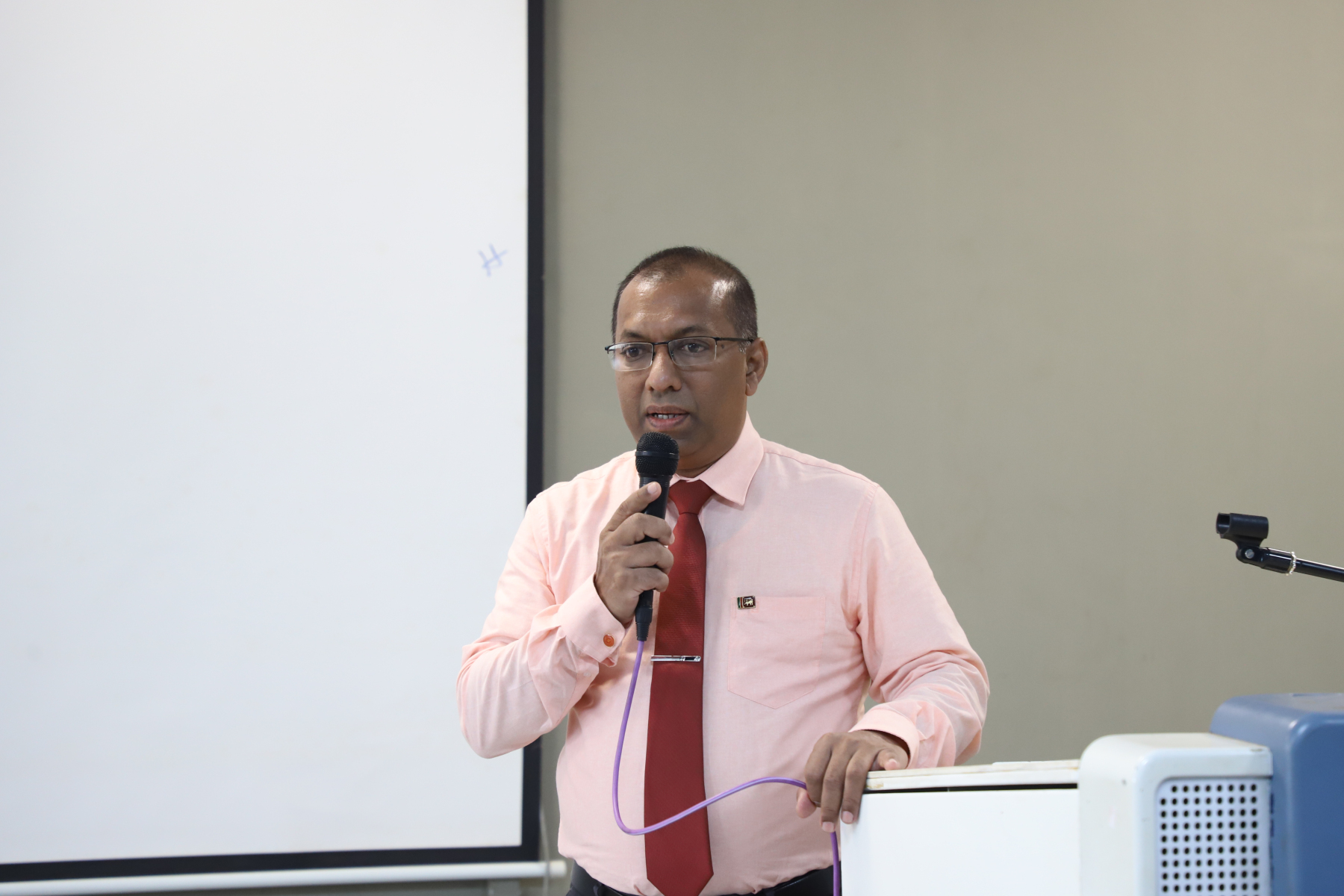
A panel of experts from the state Research Division and the Technology Development and Innovation Division conducted the training. The visiting delegation included Eng. Mahesh Dissanayake, Dr. Inoka Sandanayake, Ms. Sarani Meneripitiya, Ms. Sumudu Gunasekara, Mr. Ahamed Akram, and Mr. D.S. Shanuke. Together, they provided detailed operational guidance regarding National Science Foundation (NSF) grant schemes during this research grant opportunities session.
Comprehensive Overview of NSF Funding Structures
Eng. Mahesh Dissanayake presented a broad overview of national funding structures. He explicitly explained application procedures and post-award monitoring processes. In addition, he discussed financial allocations based on standard Technology Readiness Levels (TRL).
Importantly, he highlighted several key research gaps in the current national system. These systematic gaps include:
- Limited long-term research continuity.
- Weak collaboration between regional state institutions.
- Poor commercial technology transfer mechanisms.
Specific Research Grant Schemes Evaluated
During the research grant opportunities session, Dr. Inoka Sandanayake explained several vital NSF research grant initiatives. She focused specifically on competitive programs designed to advance local innovations.
The presentation covered five major national grant schemes:
- CRG (Competitive Research Grants): Funding primary scientific investigations.
- ICRP (International Collaborative Research Programme): Supporting cross-border research teams.
- GAPF (Grant for Research Innovation): Bridging experimental findings with market prototypes.
- SUSRED (Support for Scheme for Awarding Higher Degrees): Rewarding successful postgraduate supervisors.
- IDR&D (Inter-Disciplinary Research & Development): Encouraging collaborative science across diverse fields.
She also discussed candidate eligibility criteria and strategic proposal development steps. Furthermore, she explained the proposal review process and the roles of various oversight committees.
Capacity Building, Equipment Support, and Technical Grants
Ms. Sumudu Gunasekara introduced additional support schemes, focusing heavily on institutional capacity building and scholarship opportunities. These included the SCH (Scholarships) program and the PDRF (Postdoctoral Research Fellowships) framework. She also detailed the official procedures for obtaining heavy equipment and spare parts grants alongside the NID (National Innovation Database) registrations.
Following this, Ms. Sarani Meneripitiya presented various Technology Grant Schemes, such as Tech-D and Startup grants. She explained funding paths for digital innovation, commercial entrepreneurship, and technical prototype development. She also guided the participants through accurate budget preparation methods.
Interactive Discussion and Institutional Impact
The research grant opportunities session ended with an interactive discussion. Participants clarified their doubts regarding NSF scoring matrices, budget compliance, and evaluation timelines.
Overall, the program provided strong awareness of national research funding opportunities. It successfully strengthened the staff’s understanding of complex proposal development and grant management. Ultimately, this initiative motivates staff members to engage more actively in research, directly contributing to institutional growth and national development.